Why the bone changes after a tooth is lost
Bone responds to being used. A natural tooth root transmits chewing forces into the jaw, and that stimulus is part of what maintains the bone around it. Once the root is gone, the bone in that area reduces in height and width. Bone loss is often most rapid during the first months after a tooth is removed, although changes can continue over time.
Several other things can affect how much bone is left. Gum disease can gradually wear away the bone that holds teeth in place, so by the time a tooth is removed, the bone level may already be lower. Long-term denture use can place pressure on the residual ridge, while the bone no longer receives the same stimulation from a natural tooth root. Infection, trauma and difficult extractions all remove bone at the time.
In the upper back jaw there is a further factor. The maxillary sinus sits above those teeth, and the sinus can gradually enlarge into the space previously occupied by the tooth roots after tooth loss, reducing the available bone height.
How this is actually measured
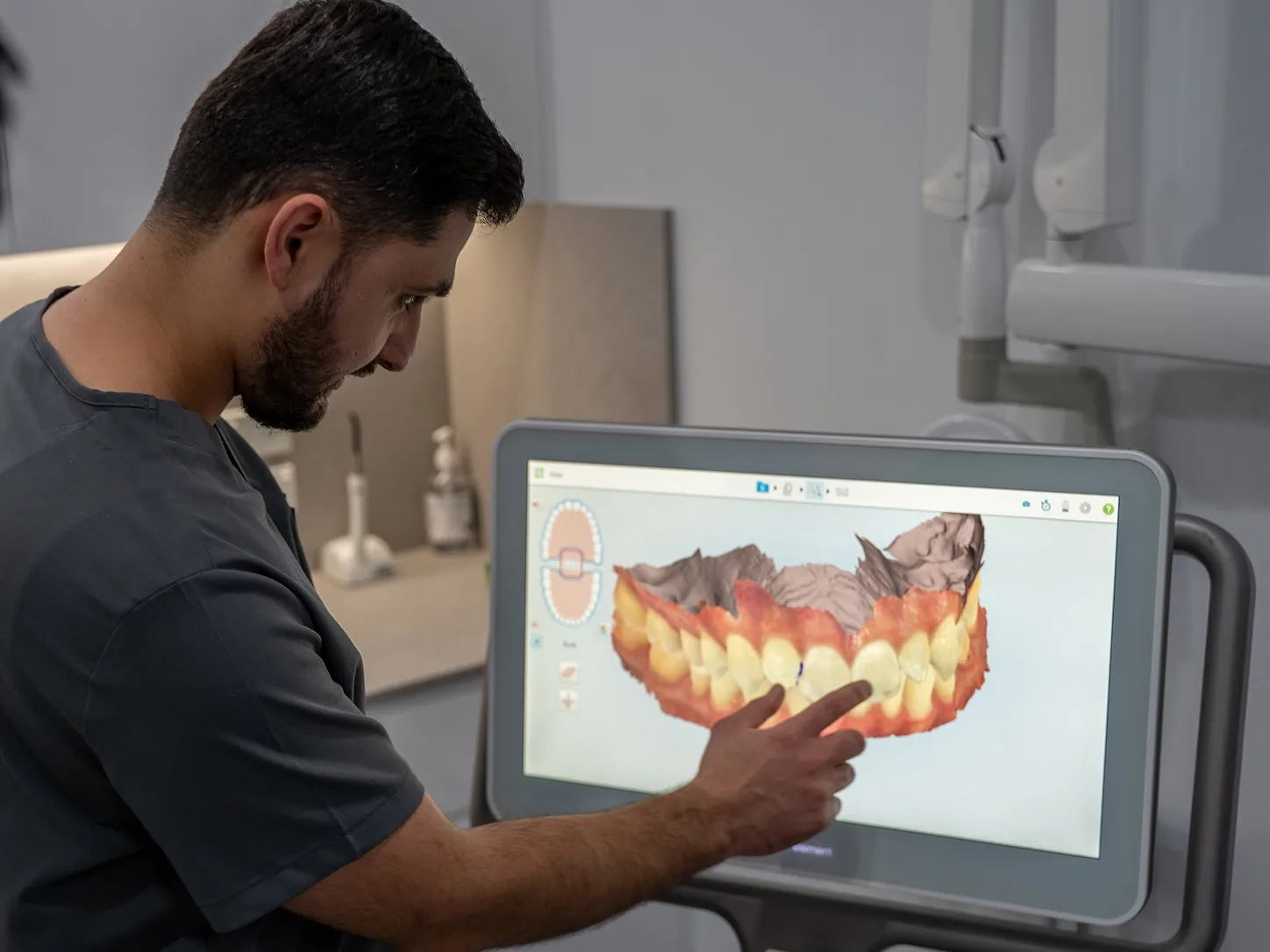
Insufficient bone is a measurement, not an opinion. A cone beam CT scan produces a three-dimensional image showing how much bone height and width exists at the site, where the sinus floor sits, and where nerves run in the lower jaw.
That matters because the phrase covers a wide range. A site a few millimetres short of ideal and a site with almost nothing left are both described as not enough bone, and they lead to very different conversations.
The best time to deal with it is before the tooth comes out
Where a tooth is already failing and will need removing, one option is available only at that point. Socket preservation using graft material at the time of extraction can help limit the reduction in bone volume that commonly follows tooth loss, so the site may be in better condition when the implant is planned.
This is worth raising before an extraction rather than after it. Once the socket has healed without it, rebuilding what was lost becomes a larger procedure than preserving it would have been.
The options that may be considered
Bone grafting at the site
Graft material is placed where bone is lacking and left to integrate before an implant goes in. The material may be your own bone, processed human or animal bone, or a synthetic substitute. Healing before implant placement usually takes several months.
A sinus lift
Used in the upper back jaw. The sinus membrane is lifted and graft material placed beneath it to create height. Where only a small amount is needed, this can sometimes be done through the implant site itself at the same appointment. Where more is needed, it is a separate procedure with its own healing period.
Ridge augmentation or expansion
Where the ridge is too narrow rather than too short, it can sometimes be widened, either by grafting onto it or by carefully splitting and expanding it.
Working with the bone that is there
Not every case needs rebuilding. Shorter or narrower dental implants can sometimes be placed in the available bone without grafting, and implants can be angled to find bone that a vertical placement would miss.
In some situations, research suggests that short implants can provide a reasonable alternative to longer implants placed after sinus augmentation, while avoiding some of the additional surgery associated with grafting. Whether this is appropriate depends on the amount and quality of bone available.
A different replacement altogether
If the site cannot support an implant predictably, a bridge or a denture may be the better answer rather than the consolation prize.
Referral
Some cases belong with a specialist. Extensive grafting, zygomatic implants and complex reconstruction may require assessment by an appropriately qualified specialist, such as an oral and maxillofacial surgeon, periodontist or prosthodontist. A dentist telling you a case is outside their scope is giving you useful information, not bad news.
What can make any of this less predictable
- ✓Smoking, which affects healing and graft integration
- ✓Uncontrolled diabetes
- ✓Active, untreated gum disease
- ✓Certain medications that affect bone metabolism, including some medicines used to treat osteoporosis
- ✓Previous infection or failed grafting at the same site
When an implant may not be the right answer
Most pages on this subject imply that enough grafting makes anyone a candidate. That is not how it works. Where the bone deficiency is severe, where a medical condition makes extended surgery unwise, or where the number of stages and the healing time involved are not something you want to take on, a well-made bridge or denture is a legitimate outcome rather than a failure.
It is also reasonable to decide the timing is wrong and revisit it later, provided you understand that bone loss continues in the meantime. If you have been told no previously, a current assessment with your dentist in Sydney may be worthwhile, since planning and implant design have moved on.
What to ask at the consultation
- ✓How much bone is missing, in millimetres, and in which direction
- ✓Whether the site could take a shorter or narrower implant without grafting
- ✓If grafting is proposed, which material, how many stages and how long between them
- ✓Who would carry out the surgical part and who would restore it
- ✓At what point you would be referred, and to whom
- ✓What the alternatives would be if grafting were not successful
Frequently Asked Questions
Does a bone graft always work?
No. Many grafts heal successfully, but grafting can fail or result in less bone formation than expected. Smoking and some medical conditions raise that risk. Your dentist should tell you what happens if it does.
How long does the whole process take?
It depends on how much bone is being rebuilt. Where grafting is needed, healing before the implant is placed is usually measured in months rather than weeks, and the implant itself then needs time to integrate.
Can I have an implant without any grafting?
Sometimes. It depends on the height and width available and where the site is. It is a reasonable question to ask directly.
I was told no years ago. Has anything changed?
Possibly. Planning and implant design have moved on, so a second assessment with a current 3D scan is worthwhile. It may also confirm the original answer.
Will my health fund contribute?
Cover varies between funds and levels. Grafting, implant placement and related procedures may be itemised separately, so ask for the relevant item numbers before treatment.


Written by the Hayat Dental team
Dr Abhishek Aggarwal, Dr Joanne McGilp and Masi Hashimi care for patients at our Broadway clinic in Chippendale.
Meet the teamThis article is general information only and is not a substitute for a dental assessment. If you have pain or swelling, call the clinic.