Repeated dental repairs are common, and most are simply the result of teeth and fillings ageing. A pattern is different. This article explains how to tell the two apart, what usually sits behind a pattern, and what a whole-mouth plan involves if you and your dentist decide one is worth discussing.
Why repairs can start to repeat
No filling or crown lasts forever. When one is replaced, a little more natural tooth is usually removed to make room for the new one, so the restoration gets larger and the tooth around it gets weaker. Dentists call this the restorative cycle, and a tooth that has been through it several times is more likely to crack or need root canal treatment.
The second reason is simpler. A repair fixes the damage, not what caused it. If a tooth broke because of heavy grinding, or a filling failed because decay keeps starting around it, the same force or the same disease is still there the day after the repair.
Signs the problem is bigger than one tooth
One broken filling is not a pattern. These signs suggest it is worth looking at the whole mouth:
- You have needed a repair on a different tooth every year or two
- The same tooth has been repaired more than once
- Teeth or fillings keep chipping, cracking or breaking
- Your front teeth look shorter or flatter than they used to
- Sensitivity is spreading to more teeth
- Your bite feels different, or you chew mostly on one side
- New decay is found at most check-ups
- You wake with a sore jaw or have been told you grind
None of these proves that you need extensive treatment. They are reasons to ask a dentist in Sydney to look at the cause as well as the tooth in front of them.
What is usually driving it
Several causes can sit behind a run of repairs, and more than one is often present.
Grinding and clenching: heavy forces, usually at night, chip enamel, crack fillings and wear teeth flat. New work placed into the same forces tends to fail the same way.
Acid wear: acid from reflux or from frequent acidic drinks softens enamel, so teeth wear faster and fillings start to stand proud of the tooth around them.
High decay risk: a dry mouth, frequent sugar, some medications and hard-to-clean areas let new decay start around the edges of existing fillings.
Gum disease: loss of the bone supporting the teeth lets them loosen and drift, which changes how they meet.
Missing back teeth: when back teeth are lost and not replaced, the remaining teeth take more load than they were built for.
Large old fillings: a tooth that is mostly filling has little natural structure left to hold it together.
A whole-mouth plan is not whole-mouth treatment
This is the part people often misunderstand. Assessing the whole mouth does not mean treating every tooth. It means understanding why things keep failing before deciding what to do, and the answer is frequently smaller than expected.
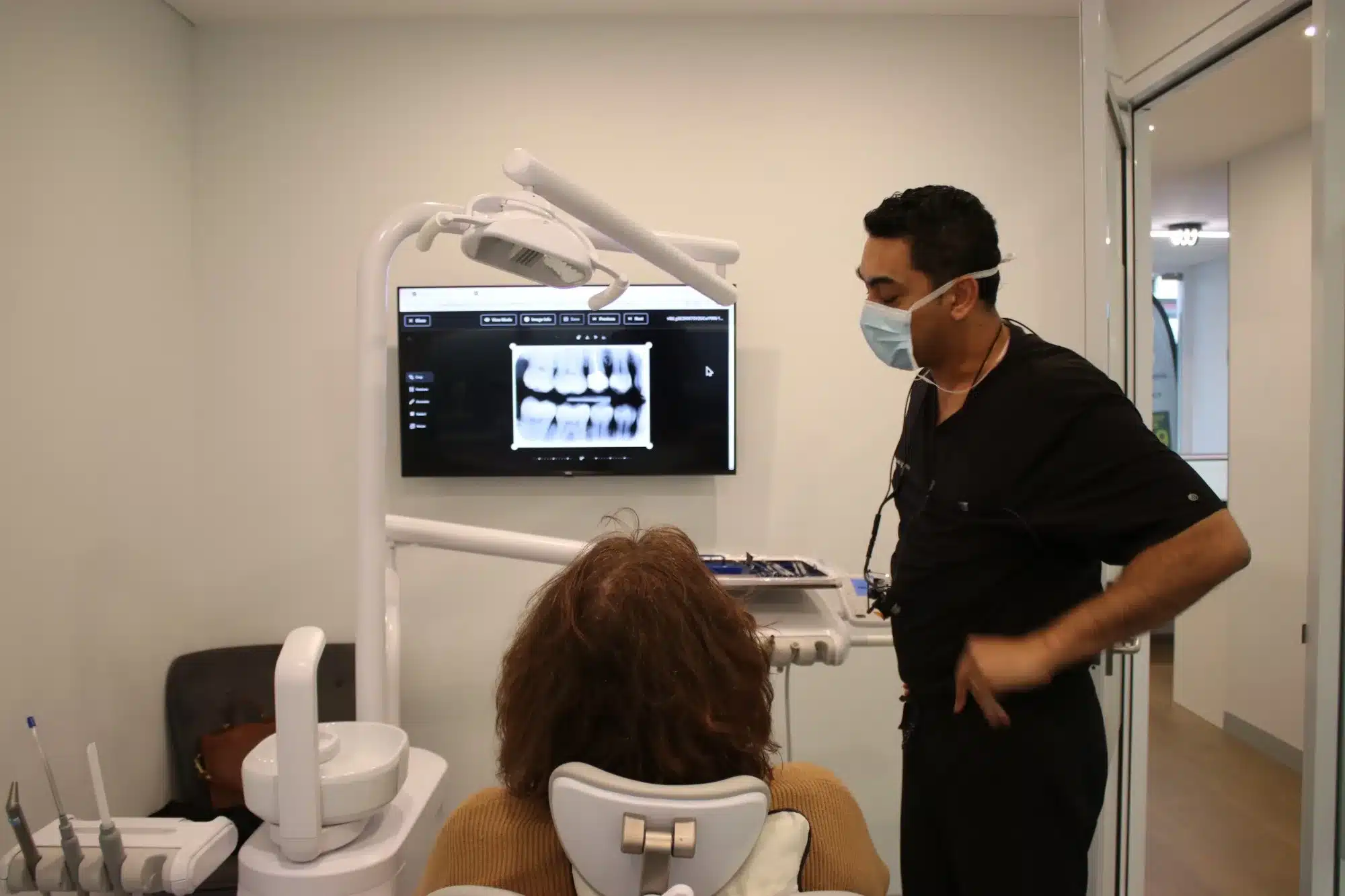
The assessment usually starts with a comprehensive check-up: an examination of each tooth and existing restoration, the gums, the bite and the pattern of wear, supported by X-rays, photographs or a digital scan, and a review of your medical history and medications.
From there, a sensible plan tends to follow an order. Anything painful or infected is dealt with first. The causes are then brought under control, which might mean a night guard, gum treatment, dietary changes or fluoride. Only after that are teeth rebuilt, in a planned sequence and usually in stages.
For some people the plan ends there, with a guard, better decay control and one or two teeth restored properly. Not all wear needs treatment either. Some is normal for your age and stable, and only needs monitoring.
When repairing one tooth is still the right call
Most of the time, a single repair is exactly what is needed. A tooth that chipped on something hard, one area of decay in an otherwise healthy mouth, or an old filling that has simply reached the end of its life does not call for a bigger plan.
Smaller can also be better. Where a filling has a minor defect, repairing it instead of replacing it keeps more of the natural tooth, and research has found that repaired restorations perform similarly to replaced ones in people at low to moderate risk of decay.
What a staged plan can look like
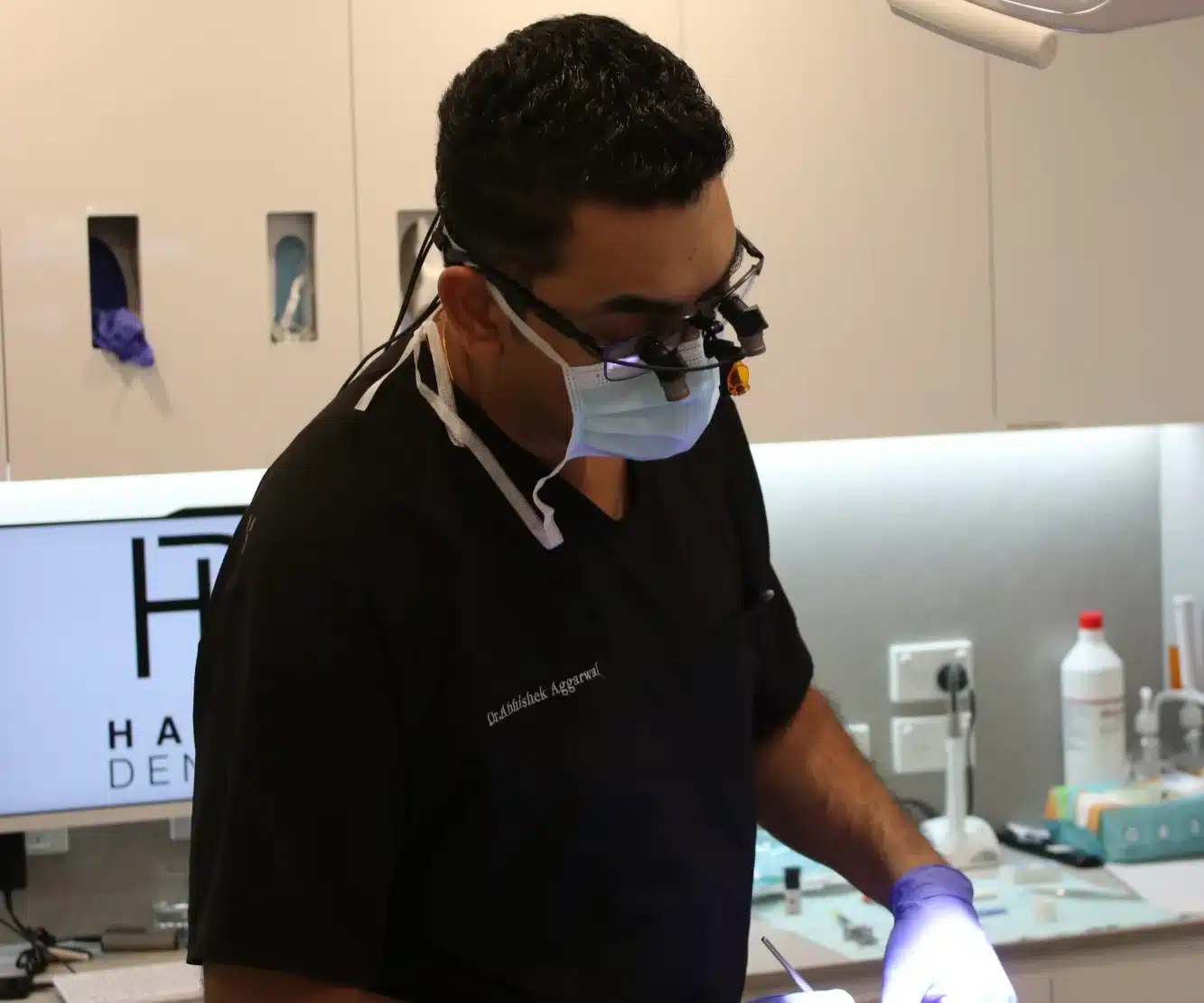
One of our patients came to us with teeth worn short and sensitive from grinding at night, and one previously root-filled tooth that had cracked and could not be saved. Dr Abhishek Aggarwal corrected the bite first, so that the new work would be protected from the forces that had worn the teeth down, and then completed an implant, crowns and Invisalign in stages over about 12 months. A night guard now protects the result.
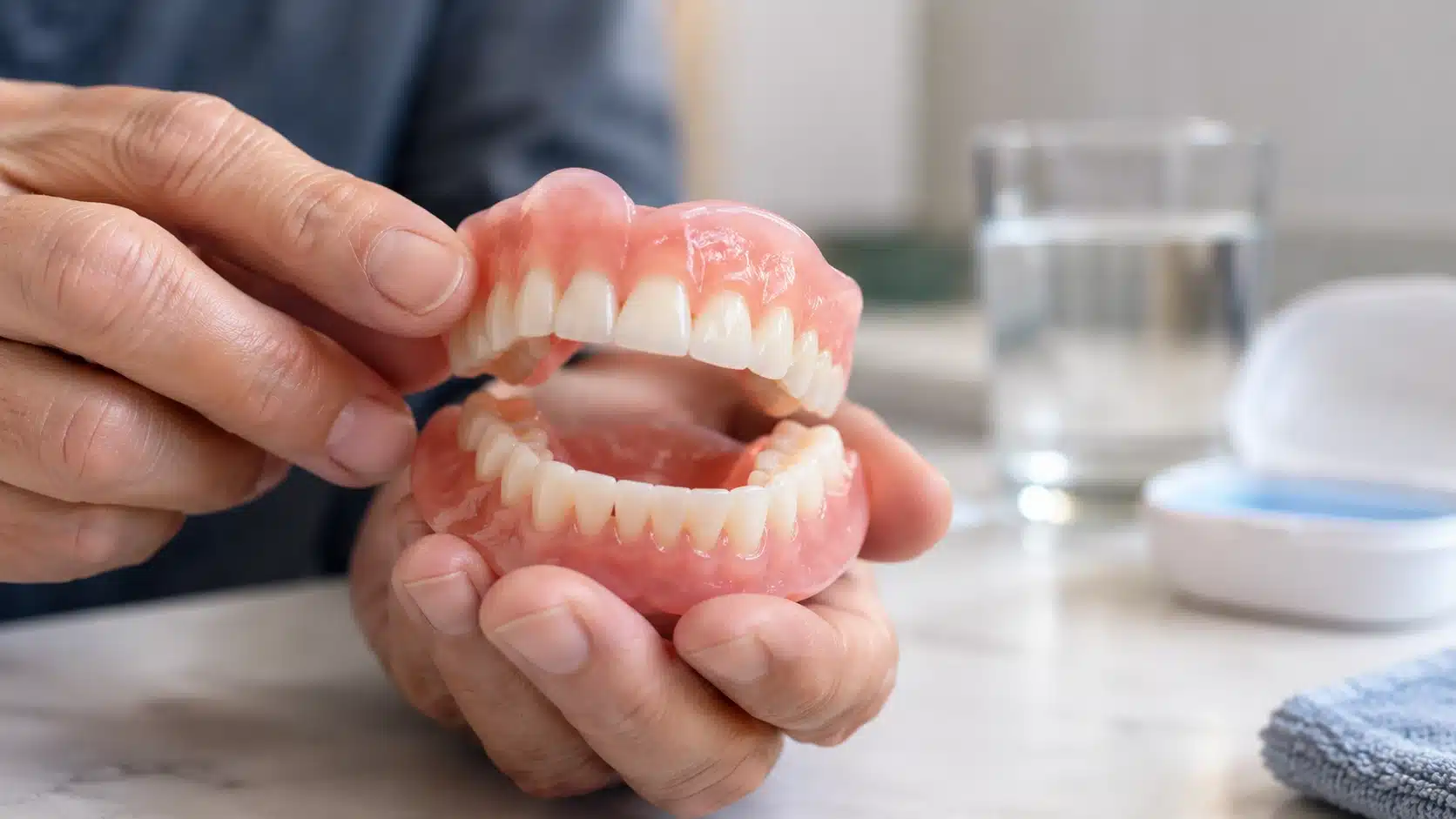
Sometimes an assessment shows that more teeth are affected than expected, or that several cannot be predictably kept. In that situation it helps to understand how the options compare, from rebuilding your own teeth through to replacing a full arch, before deciding anything.
Whatever the plan, no treatment is maintenance-free and none can be guaranteed to last indefinitely. How long the work lasts depends heavily on whether the original cause stays under control.
Frequently Asked Questions
How many repairs is too many?
There is no set number. What matters is the pattern: repairs across several teeth, the same tooth failing repeatedly, or damage that keeps taking the same form.
Does a whole-mouth plan mean crowns on every tooth?
No. A plan covers the whole mouth, but the treatment in it can be as small as a night guard and a few restorations. Healthy teeth are left alone.
Will a plan cost more than fixing teeth as they break?
It depends on what is found. A plan can cost more at the start and less over time if it stops the same repairs being repeated. Ask for a written plan that sets out each stage and its cost.
Can the treatment be spread out?
Usually, yes. Urgent problems come first, and the rest can often be staged over months to suit your time and budget.
Noticing a pattern?
If you are having the same kinds of repairs again and again, an assessment can show whether there is a cause worth treating. At Hayat Dental in Broadway, Sydney, our team can examine your teeth, gums and bite, explain what we find and set out your options in writing before anything begins.



Written by the Hayat Dental team
Dr Abhishek Aggarwal, Dr Joanne McGilp and Masi Hashimi care for patients at our Broadway clinic in Chippendale.
Meet the teamThis article is general information only and is not a substitute for a dental assessment. If you have pain or swelling, call the clinic.