Full mouth treatment options range from rebuilding the teeth you have to replacing all the teeth in one or both jaws, with several approaches in between. This article explains how those options compare and what should decide between them, so you can have a clearer conversation at your assessment.
Start with which teeth can be kept
Before comparing replacements, your dentist needs to know what is worth saving. Each tooth is assessed on its own: how much sound tooth structure is left, the health of the gum and bone around it, whether the nerve is involved, whether the root is cracked, and how the tooth fits into your bite.
Teeth are often grouped into those with a good outlook, those that are uncertain, and those that cannot be predictably kept. The uncertain group matters most, because those are the teeth where the choice between treating and replacing is genuinely open.
Gum health is checked early. Whether teeth are kept or replaced, active gum disease needs to be brought under control first, because it affects how long restored teeth last and is also a known risk factor for problems around implants.
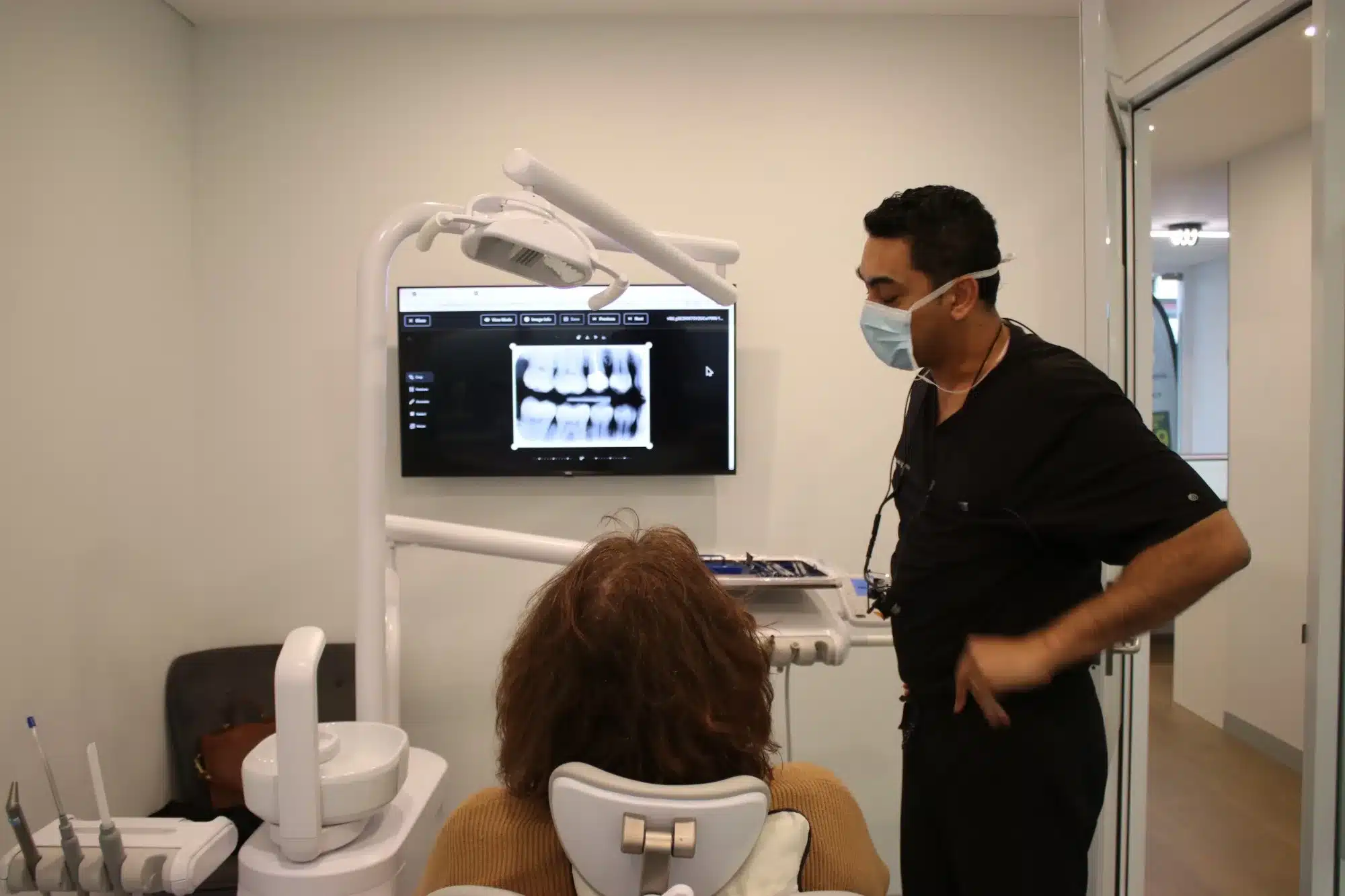
When you see a dentist in Sydney for this kind of assessment, it usually includes X-rays, gum measurements and, where implants may be involved, a 3D scan before any option is recommended.
Saving and rebuilding your own teeth
When most teeth are damaged but still have healthy roots and supporting bone, rebuilding them is often possible. This is sometimes called full-mouth rehabilitation. Depending on the problem, it can involve gum treatment, root canal treatment, crowns, fillings or bonded resin build-ups, and sometimes changes to the bite.
Natural teeth have advantages that are easy to overlook. The ligament around each root gives feedback when you bite, and keeping a well-treated tooth does not involve surgery. Studies comparing treated, compromised teeth with implants have found high survival rates for both, so removing a restorable tooth to place an implant is not automatically the longer-lasting choice.
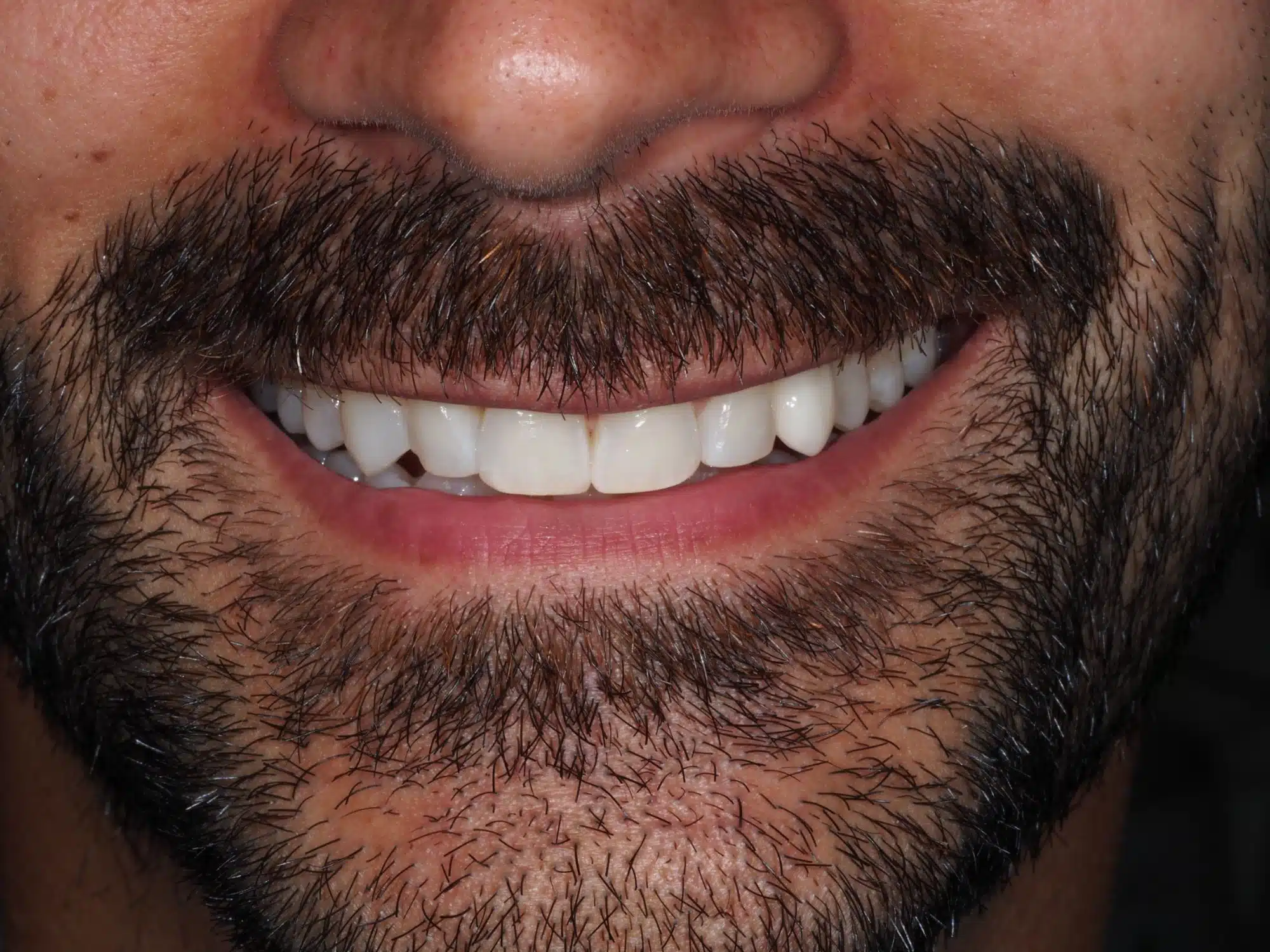
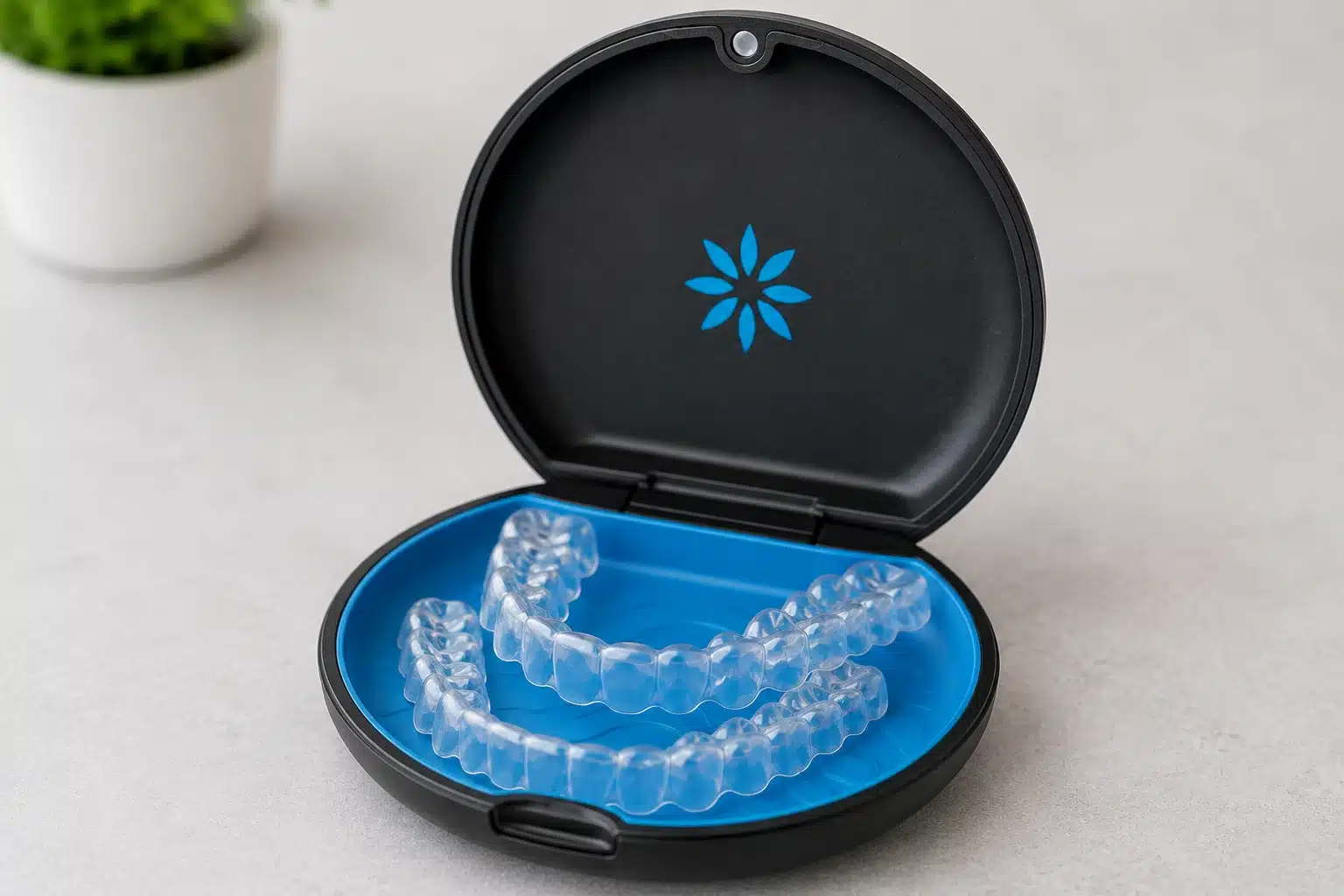
One of our patients had years of heavy grinding behind him, with teeth that were chipped, sensitive and discoloured and a bite that had worn down across the whole mouth. Instead of replacing teeth, Dr Abhishek Aggarwal rebuilt them, using porcelain crowns at the front and resin build-ups at the back to restore the bite, with a mouthguard afterwards to protect the work. Treatment took three to four months over about eight appointments.
The trade-off is maintenance. Rebuilt teeth still need regular check-ups, some restorations will need repair or replacement over time, and the underlying cause, such as grinding, decay risk or gum disease, has to be managed for the result to last.
Keeping some teeth and replacing others
Often the realistic plan is a mixed one. Strong teeth are kept and restored, and teeth that cannot be saved are replaced with something that works around them.
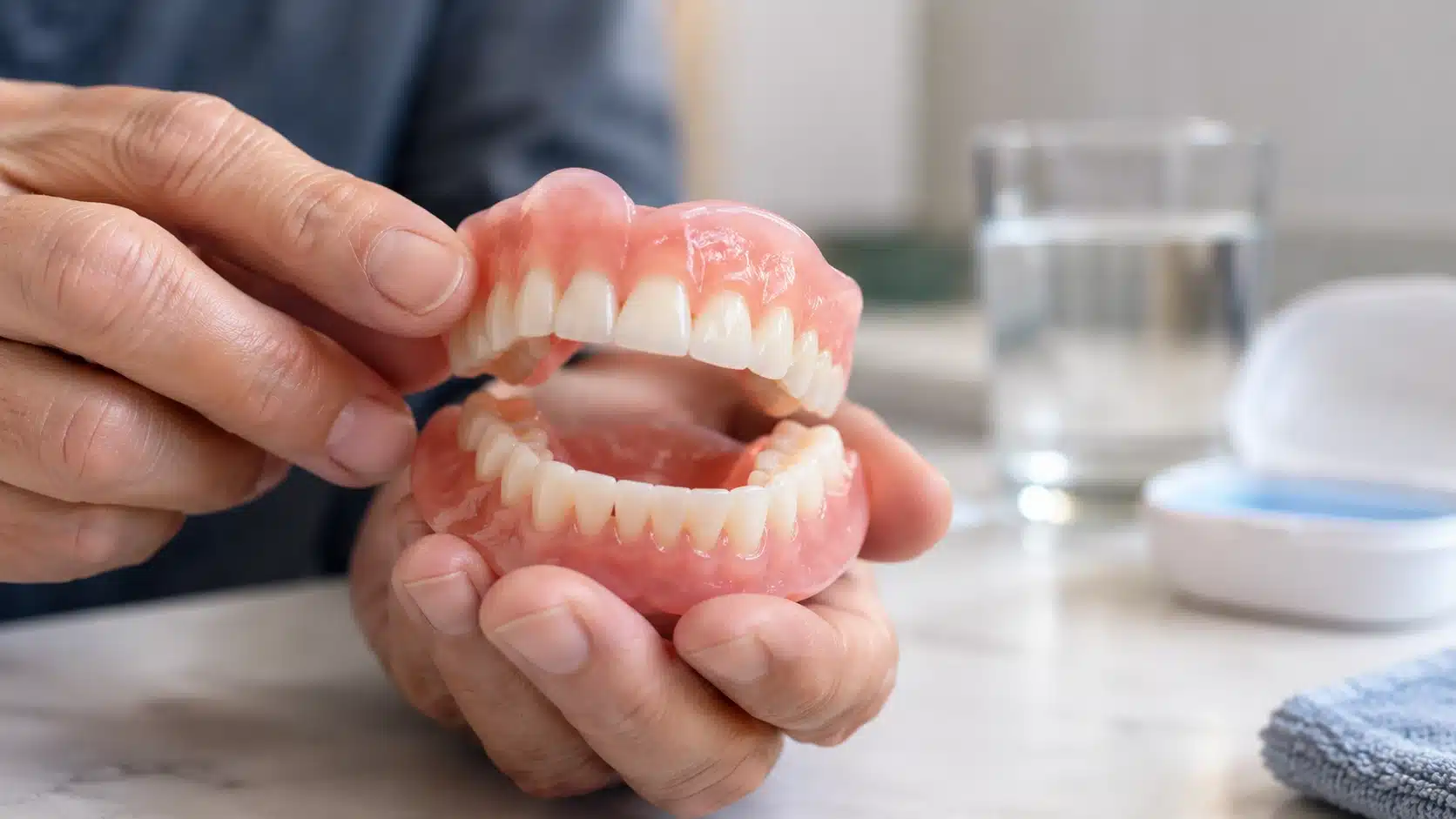
Partial dentures: a removable denture replaces several missing teeth and is supported by the remaining teeth and gums. It avoids surgery and can often be added to if another tooth is lost later.
Bridges: where a gap sits between strong teeth, a fixed bridge can use those teeth for support. This involves preparing the neighbouring teeth, so it suits teeth that already need crowns better than untouched ones.
Implants for one section: one or more implants can replace individual teeth or support a short bridge, leaving healthy teeth elsewhere untouched.
Overdentures over kept roots: sometimes a few roots are kept under a denture, after root canal treatment, to help support it and slow bone loss in that area.
The upper and lower jaws do not have to be treated the same way. It is common for one jaw to be rebuilt while the other needs a different approach.
When most teeth in a jaw cannot be kept
If most or all of the teeth in a jaw have a poor outlook, the options move to replacing the whole arch.
A complete denture: removable, with no surgery and usually the lowest initial cost. Upper dentures generally hold better than lower ones, which can move when eating, and the fit changes as the jaw ridge shrinks over time.
An implant-retained overdenture: a removable denture that clips onto implants, commonly two in the lower jaw. It is much more stable than a conventional denture but still comes out for cleaning.
A fixed full-arch bridge: a bridge secured to several implants that you do not remove at home. Approaches such as All-on-4 dental implants use angled implants to make use of the available bone. Treatment is staged, usually with temporary teeth while the implants heal and a final bridge once healing is confirmed. Whether temporary teeth can be fitted soon after surgery depends on implant stability and cannot be promised in advance.
Losing teeth also affects the bone that held them, and the ridge reduces over time after extraction. That can influence which implant options are possible, and where bone is limited there are approaches that may still help.
Comparing the options side by side
| Option | Keeps your teeth | Fixed or removable | Surgery | Ongoing care |
|---|---|---|---|---|
| Rebuilding your teeth | Yes | Fixed | Usually not, though gum or root treatment may be needed | Check-ups and repairs to restorations over time |
| Partial denture | Partly | Removable | No | Cleaning, adjustments and relines |
| Bridge or implants for one section | Partly | Fixed | For implants | Cleaning under bridges, implant reviews |
| Complete denture | No | Removable | No | Relines and replacement as the ridge changes |
| Implant overdenture | No | Removable | Yes | Attachments wear and need replacing, implant reviews |
| Fixed full-arch bridge | No | Fixed | Yes | Daily cleaning around the bridge, professional maintenance, repairs over time |
What should decide it
The best option is the one that fits your mouth, health and priorities, not automatically the largest or the smallest treatment. These factors usually carry the most weight:
- How many teeth can be predictably kept, and where they are
- Gum health, and how well it can be controlled
- Bone volume, especially where implants are being considered
- General health, including diabetes, smoking and medications that affect healing
- Grinding or heavy bite forces, which affect any restoration
- Whether you are comfortable with something removable
- How much ongoing maintenance you are prepared to keep up
- The total cost over time, not only the first stage
Cost deserves a careful look. A lower-cost option now may need more replacement later, and a larger treatment brings maintenance and repair costs of its own. Ask for a written, itemised plan that covers each stage.
Whichever option you choose, no treatment is maintenance-free, and none can be guaranteed to last indefinitely.
Frequently Asked Questions
Is it better to remove all my teeth and start again?
Not automatically. Removing restorable teeth cannot be undone, and well-treated natural teeth can last a long time. Full-arch replacement is usually considered when most teeth in a jaw cannot be predictably kept.
Can I keep my teeth in one jaw and replace them in the other?
Yes. Each jaw is assessed separately, and different approaches in the upper and lower jaw are common.
Does gum disease need treating before implants?
Yes. Gum disease should be under control before implants are placed, because a history of gum disease increases the risk of problems around implants later.
Can treatment be done in stages?
Often, yes. Urgent problems such as pain or infection are usually dealt with first, and the rest can be planned in stages. Ask what you will be wearing between stages.
I feel anxious about a lot of dental treatment. What can help?
Tell your dentist at your assessment. Sedation options, including happy gas and IV sedation, can be discussed for some procedures.
Not sure where to start?
If you have been told several teeth need treatment, or you are weighing up whether to save or replace them, an assessment is the first step. At Hayat Dental in Broadway, Sydney, our team can assess each tooth, explain the realistic options and give you a written plan before anything begins.

Written by the Hayat Dental team
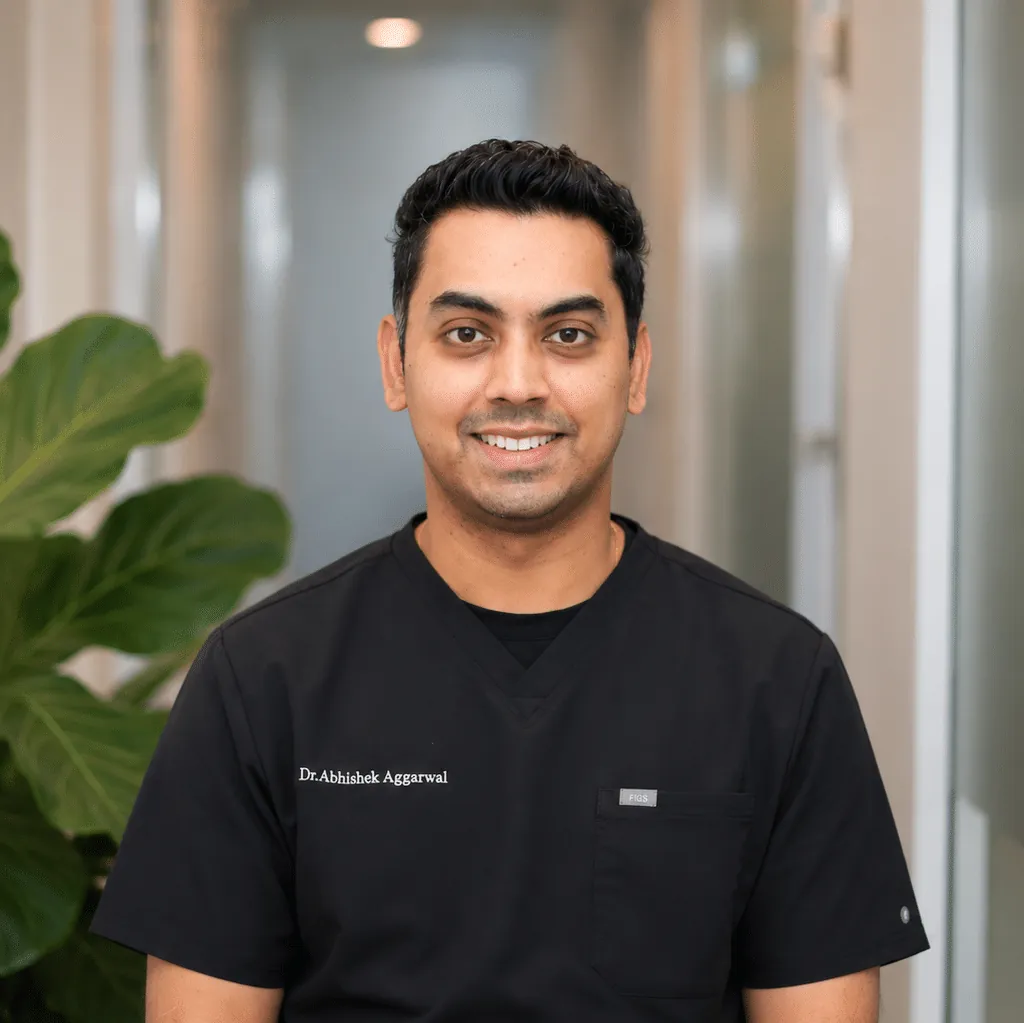
Dr Abhishek Aggarwal, Dr Joanne McGilp and Masi Hashimi care for patients at our Broadway clinic in Chippendale.
Meet the teamThis article is general information only and is not a substitute for a dental assessment. If you have pain or swelling, call the clinic.