
01
One or two missing teeth
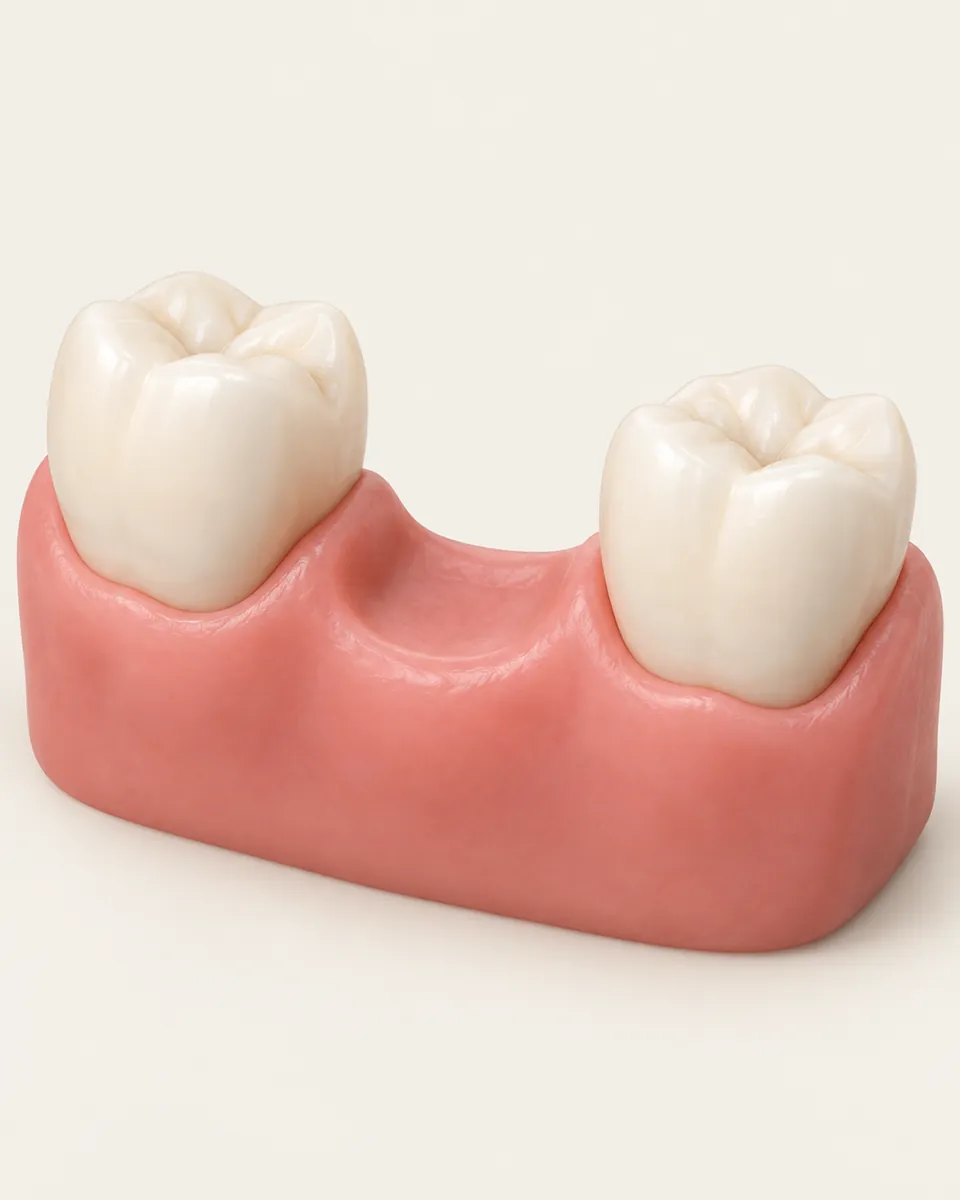
A gap with strong teeth on either side to support a bridge.
HAYAT DENTAL · BROADWAY, SYDNEY
A dental bridge can replace a missing tooth using support from suitable teeth or implants. We assess the gap, explain the preparation involved and compare alternatives.
GoogleRead our patient reviewsDigital X-rays
Assessment and planning
Upfront pricing
Health funds accepted
Gentle dental care
Comfort for anxious patients
Experienced dentists
Fixed tooth replacement
ASSESSMENT · OPTIONS · CARE
A bridge holds a replacement tooth in a gap by attaching to teeth or implants beside it. It is fixed in place rather than removed at home. Choosing a bridge involves considering the health of its supports as well as the missing tooth.
IS A BRIDGE RIGHT FOR YOU?
Suitability depends on the health of the teeth and gums around the gap.
A BRIDGE MAY SUIT
01
A gap with strong teeth on either side to support a bridge.
02
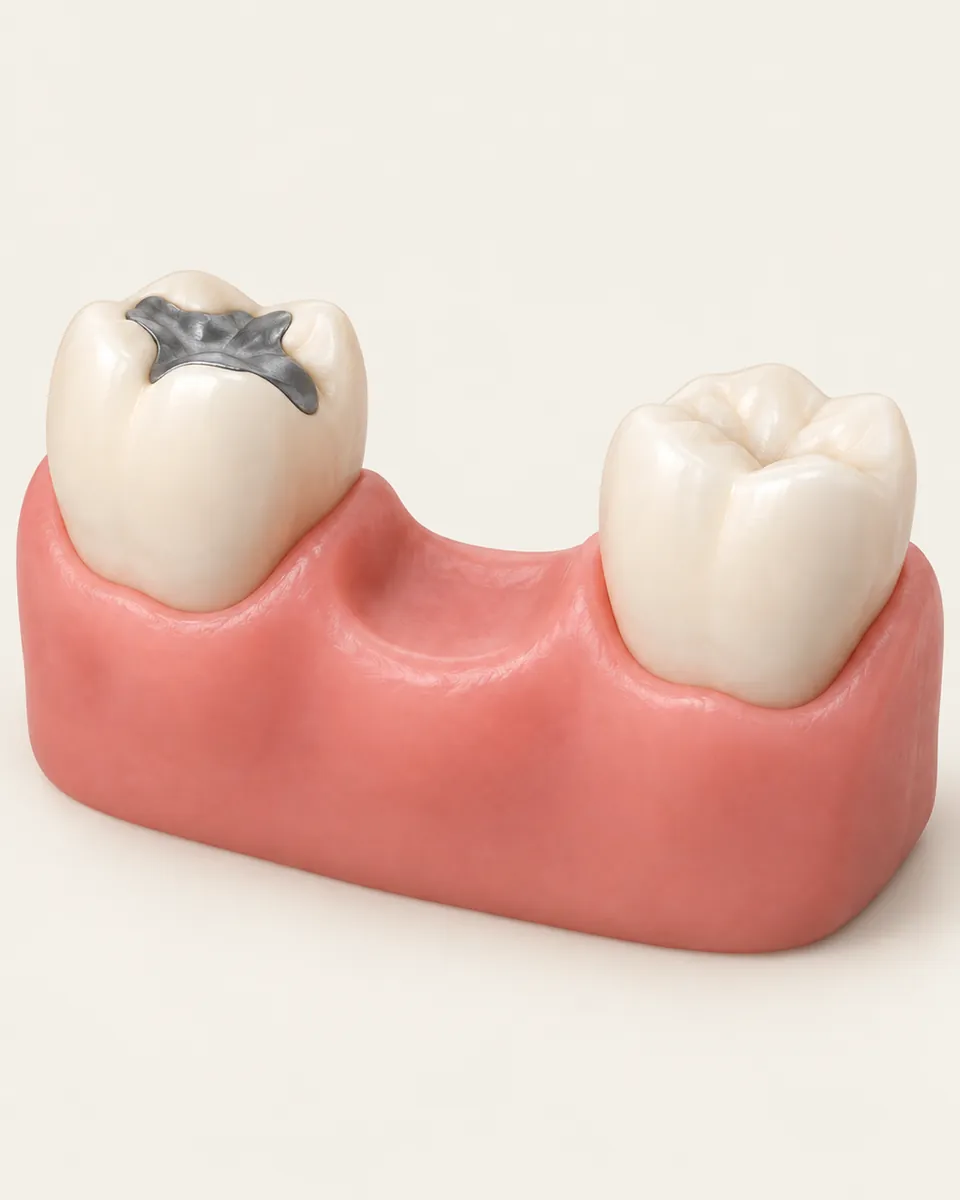
Teeth beside the gap that already need crowns.
03
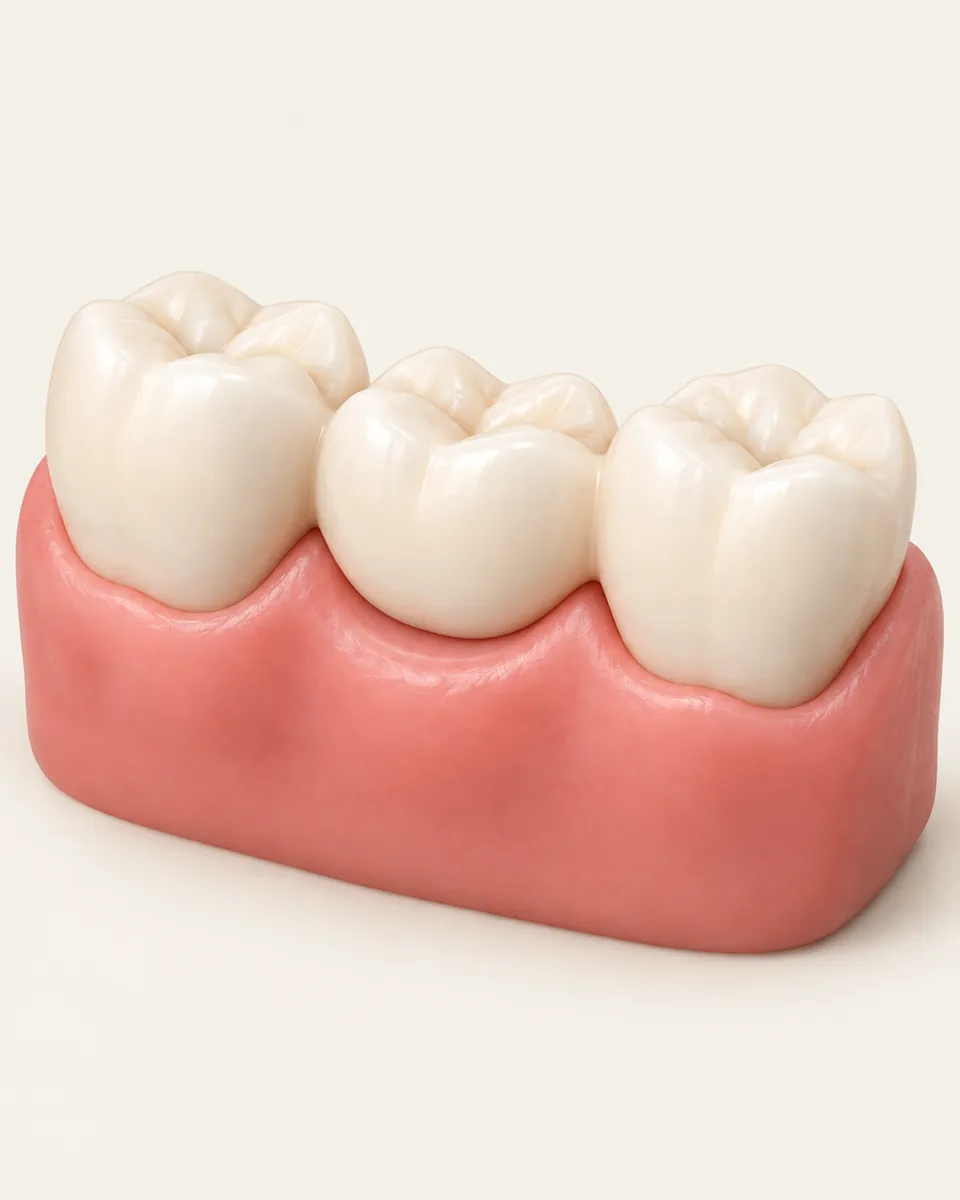
You would rather not take a replacement out to clean.
CONSIDER INSTEAD
Your dentist will explain which treatment suits the problem.
UNDERSTAND YOUR OPTIONS
The design depends on the gap and supporting teeth. These common tooth-supported approaches involve different preparation and limitations.
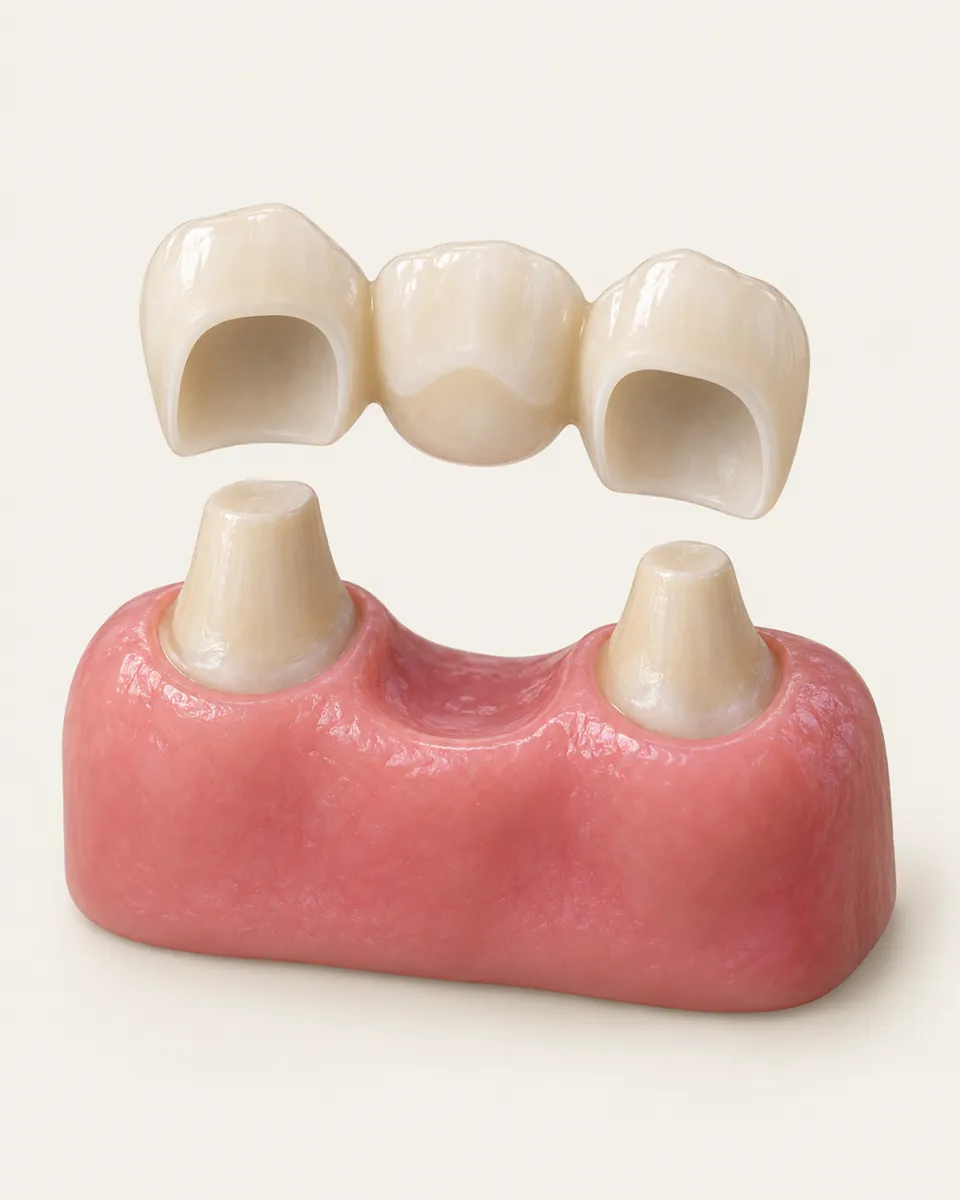
Crown-supported
The replacement tooth is joined to crowns fitted over supporting teeth.
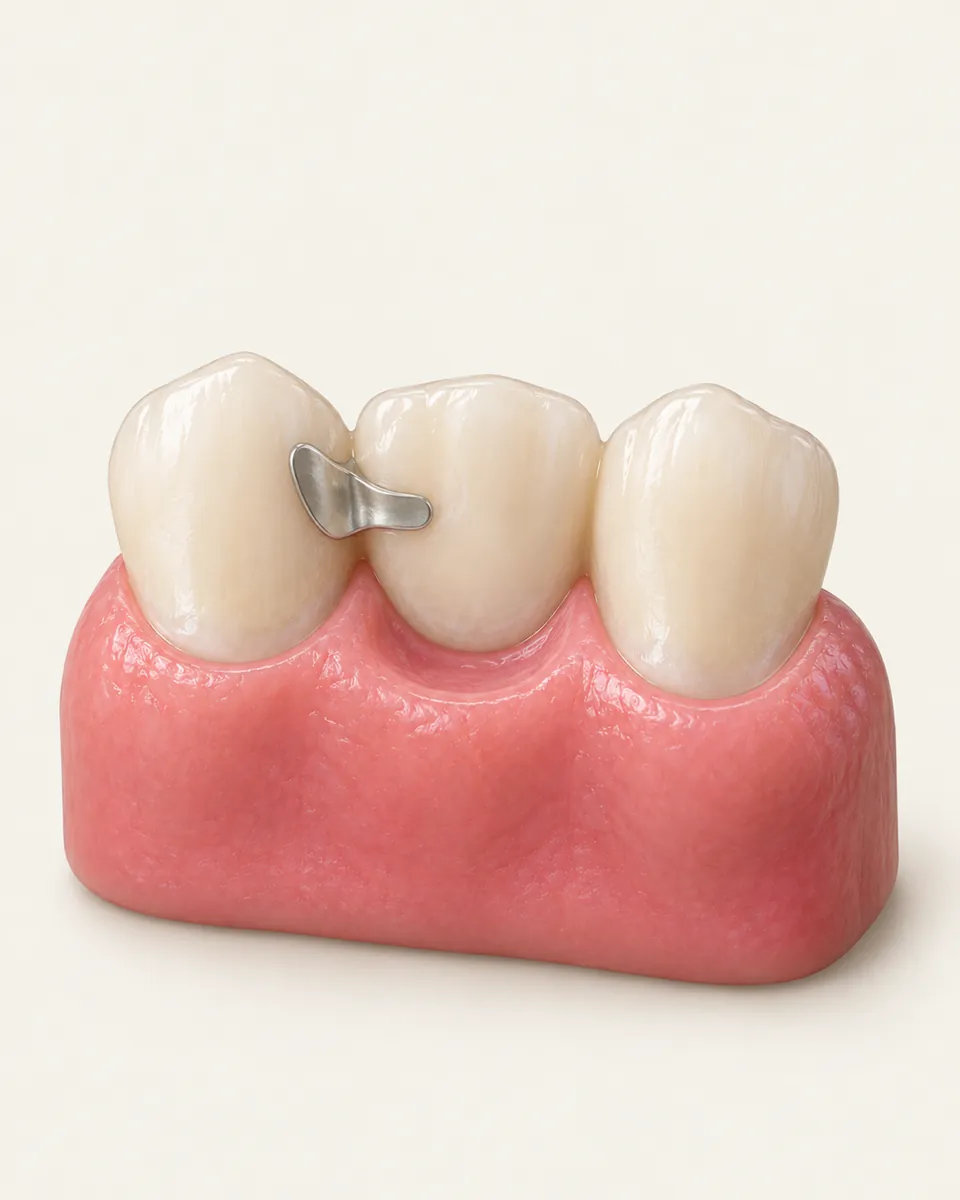
Bonded support
A replacement tooth is attached using a wing bonded to a supporting tooth.
A cantilever design uses support on one side of a gap and requires careful case selection. An implant-supported bridge uses implants rather than natural teeth and involves separate surgical assessment. Your dentist can explain whether either is appropriate.
MISSING A TOOTH?
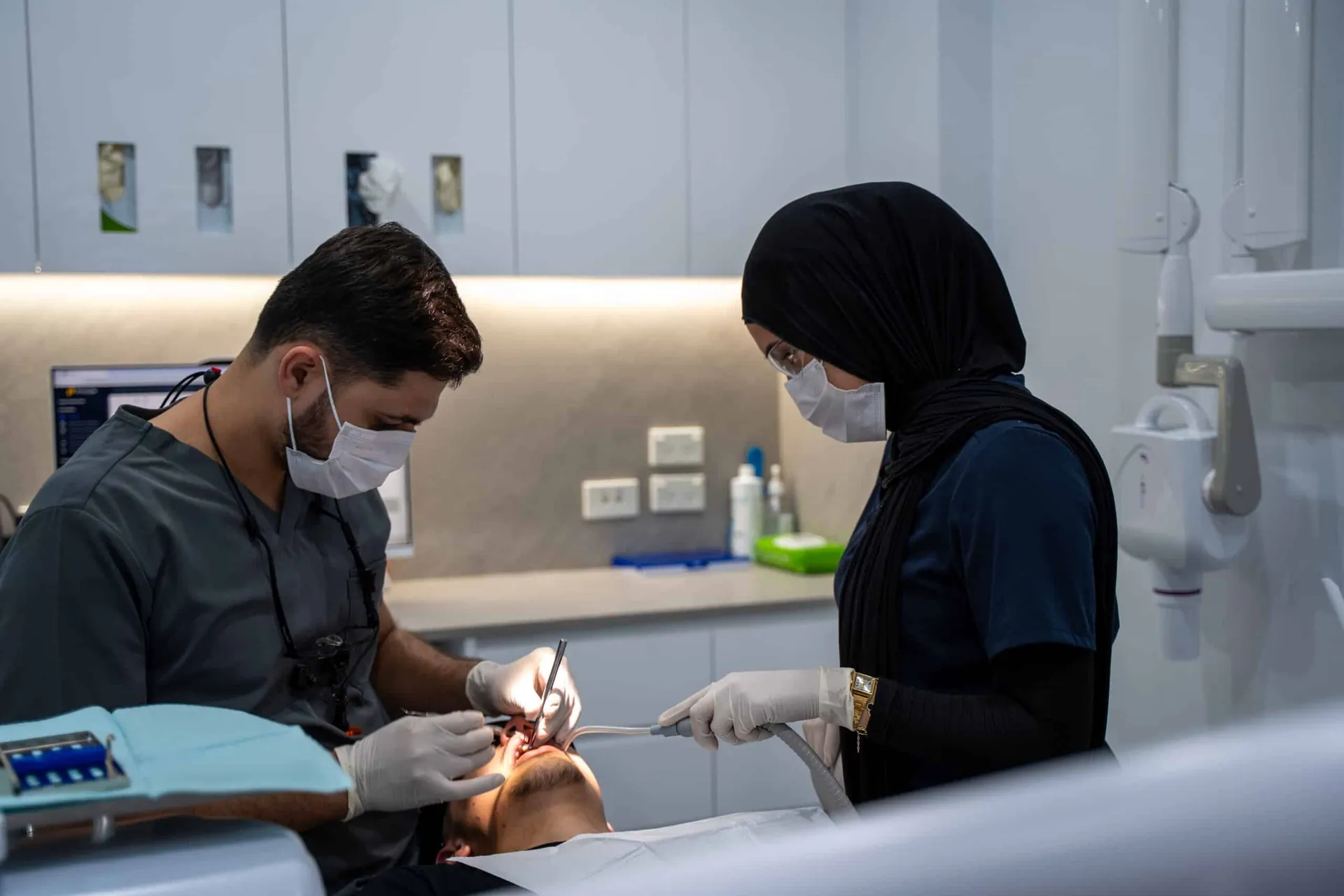
We assess the supporting teeth and compare a bridge with an implant or denture before you decide.
HOW A BRIDGE WORKS
A traditional bridge uses the teeth either side of the gap for support.
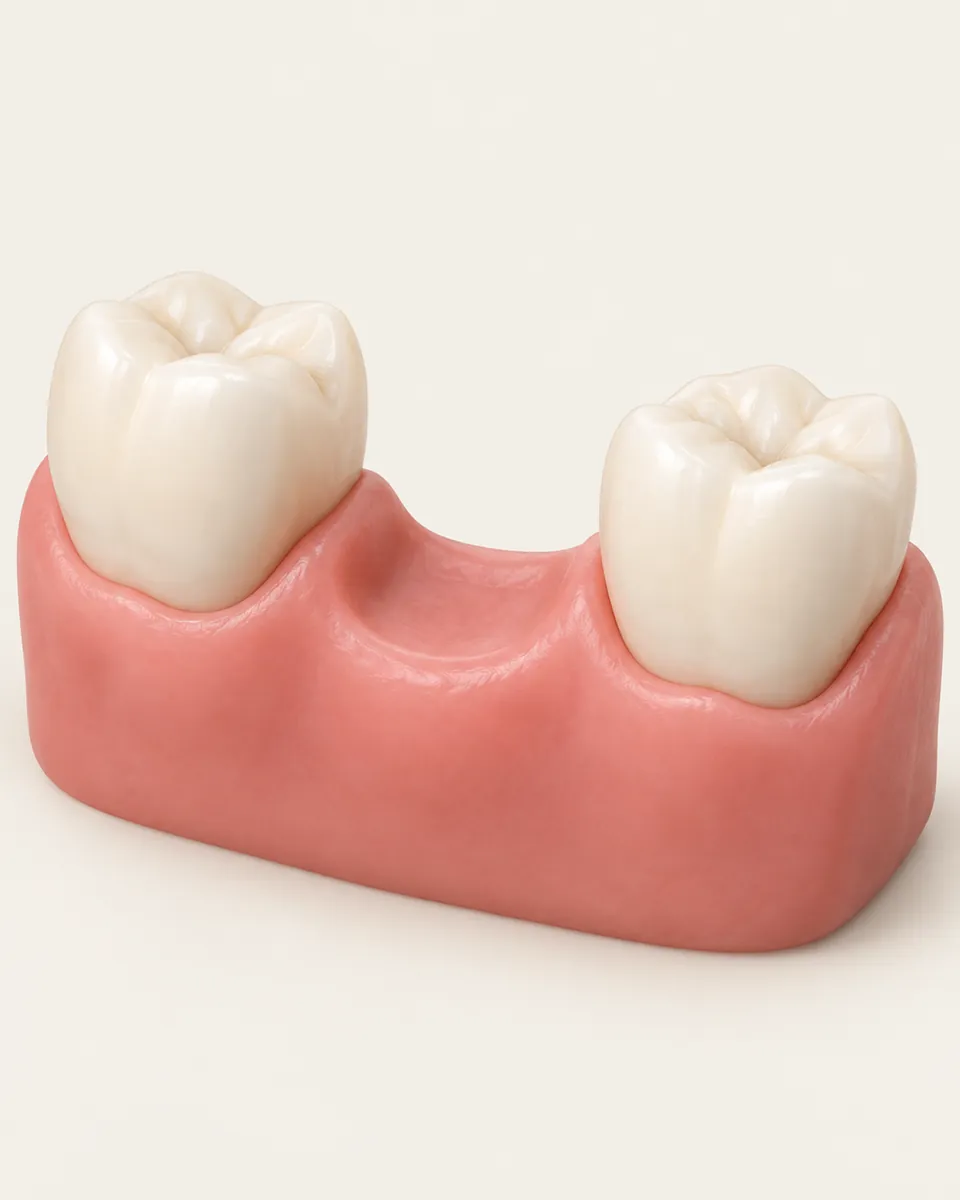
01
A missing tooth leaves a space. Neighbouring teeth can drift into it over time.
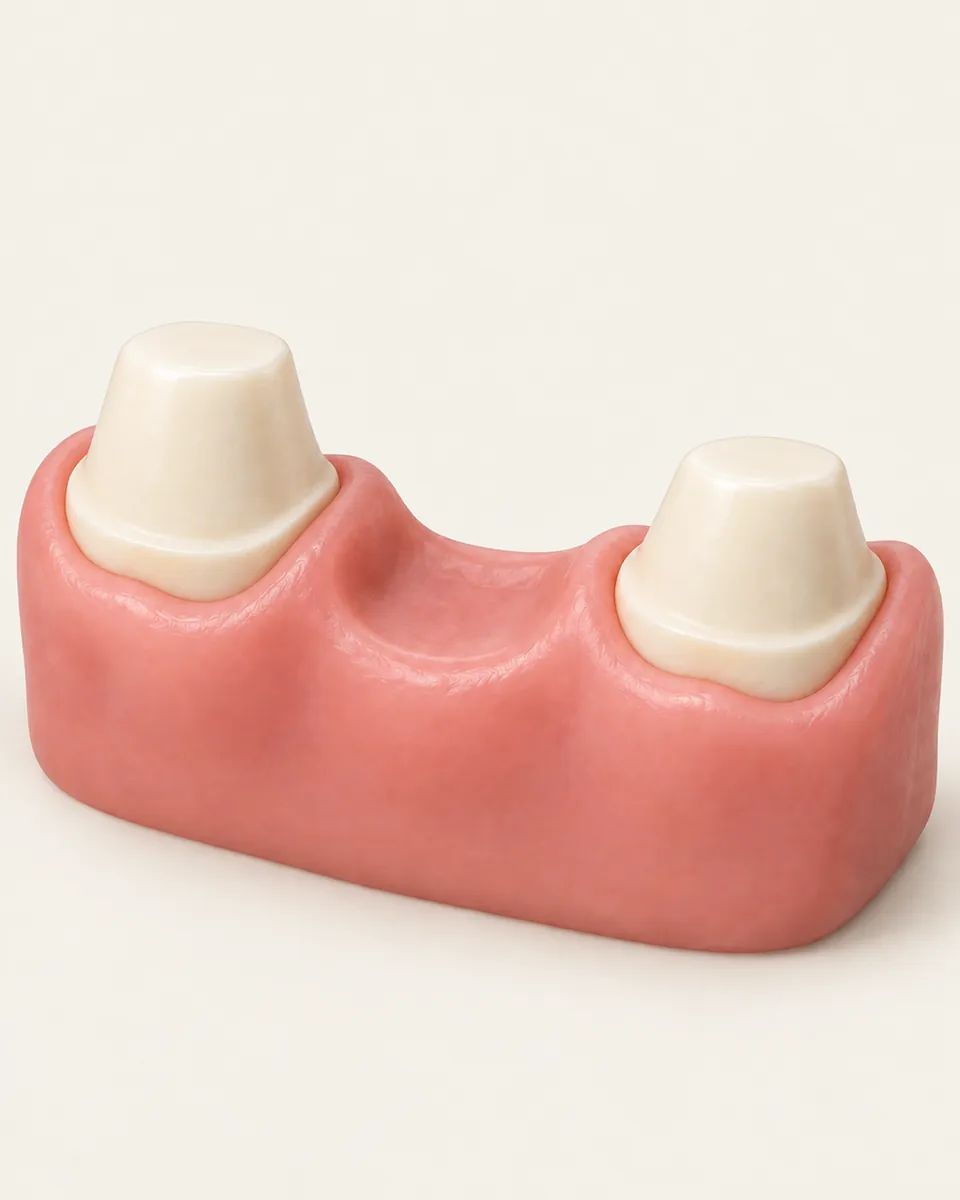
02
The teeth either side are shaped so the bridge can fit over them.
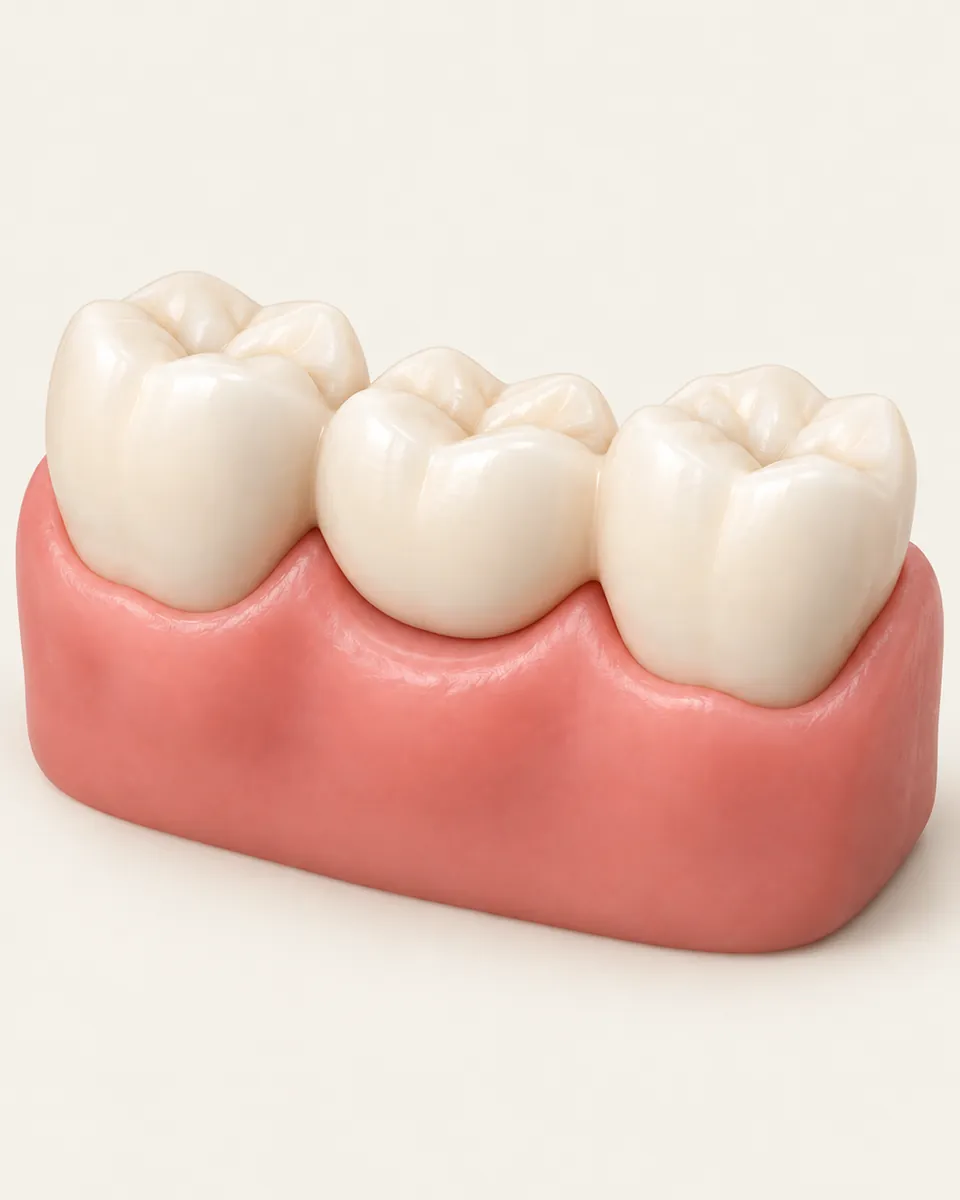
03
A single piece with a replacement tooth is cemented in place.
WHAT TO EXPECT
Understand the proposed treatment before you decide. Your visit is planned around the findings of your assessment.
01
Check the gap, gums, neighbouring teeth and bite. Imaging may be needed to assess the supporting structures.
02
Discuss preparation, materials, alternatives and costs. Existing dental problems are addressed as part of the plan.
03
Prepare the supporting teeth as required and take an impression or scan. A temporary restoration may be used.
04
Check the fit, contacts and bite before securing the bridge. Learn how to clean beneath the replacement tooth.
AFTER YOUR VISIT
Your dentist’s personalised advice takes priority.
AFTER FITTING
Follow advice about eating and any temporary restoration. Contact the clinic if the bite feels uneven or pain persists.
EVERY DAY
Use the cleaning aids demonstrated by your dental team to reach beneath the replacement tooth and around its supports.
AT REVIEWS
Review the bridge, gums and supporting teeth regularly. Report looseness, damage or persistent food trapping.
A bridge does not protect its supporting teeth from decay or gum disease. Cleaning access and the condition of those teeth are important parts of deciding whether a bridge is suitable.
PLAN WITH CONFIDENCE
The number of teeth being replaced, bridge design and materials influence the fee. Treatment of the supporting teeth or implant care may add to the plan. Request an itemised estimate.
Make an enquiryA GOOD PLACE TO START
An assessment helps you compare a bridge, an implant and a denture.
Shop 1/180–182 Broadway, Chippendale
A LITTLE MORE CLARITY
A conventional bridge is fixed in place by the dentist. A removable partial denture is a different option for replacing missing teeth.
A traditional bridge usually involves reshaping its supporting teeth. A resin-bonded design may need less preparation, but is suitable only in selected circumstances.
There is no universal best choice. An implant involves surgery and suitable bone; a bridge relies on its supports. Your health, neighbouring teeth, preferences and budget all matter.
Longevity varies with the design, supporting teeth, bite and ongoing care. Repairs or replacement may eventually be needed; no fixed lifespan can be guaranteed.
EXPLORE RELATED CARE
A bridge is one option. These are worth comparing before you decide.
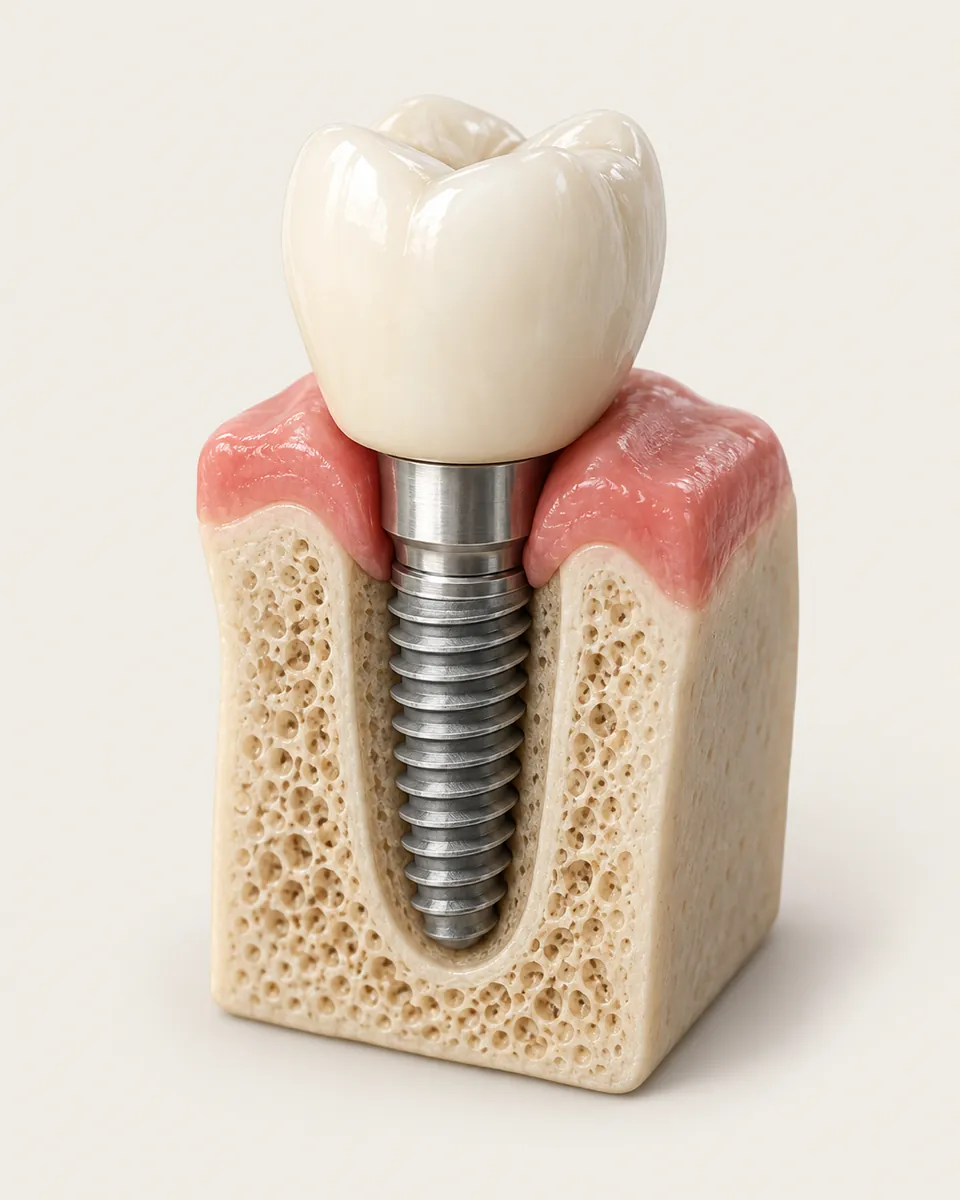 Dental implantsA replacement tooth supported by an implant in the jaw.Learn about dental implants
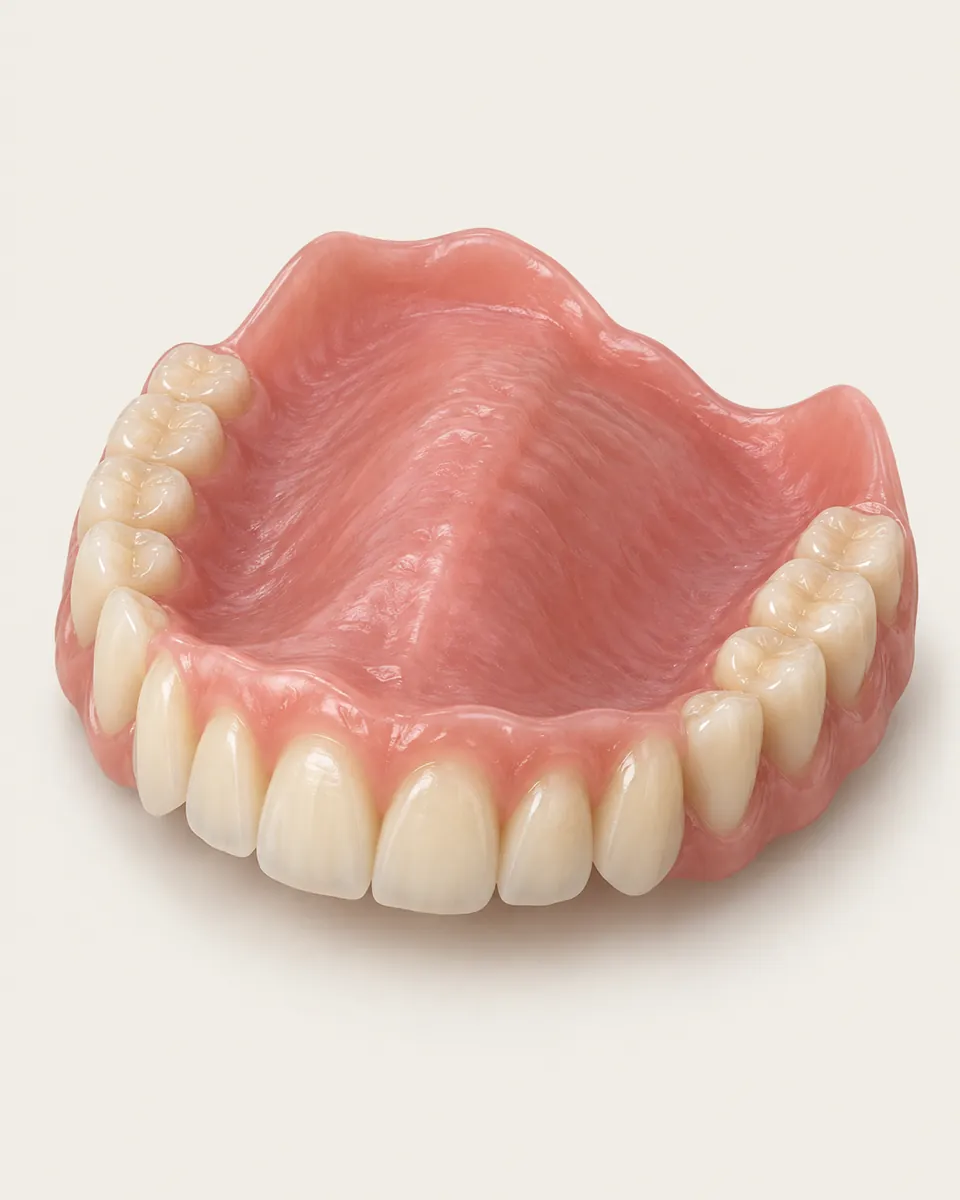 DenturesRemovable options for one, several or all missing teeth.Learn about dentures
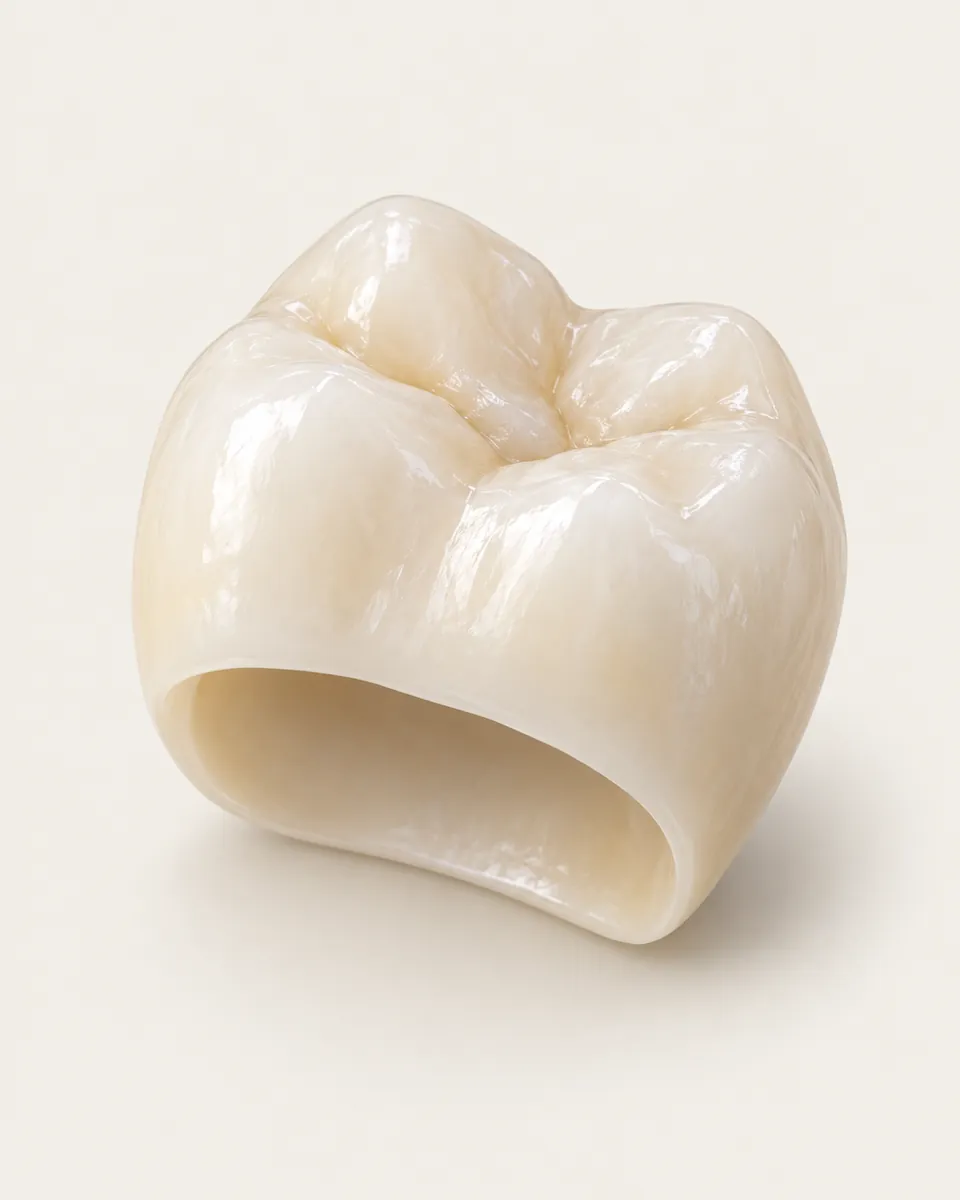 Dental crownsCrowns can also form part of a bridge.Learn about dental crowns
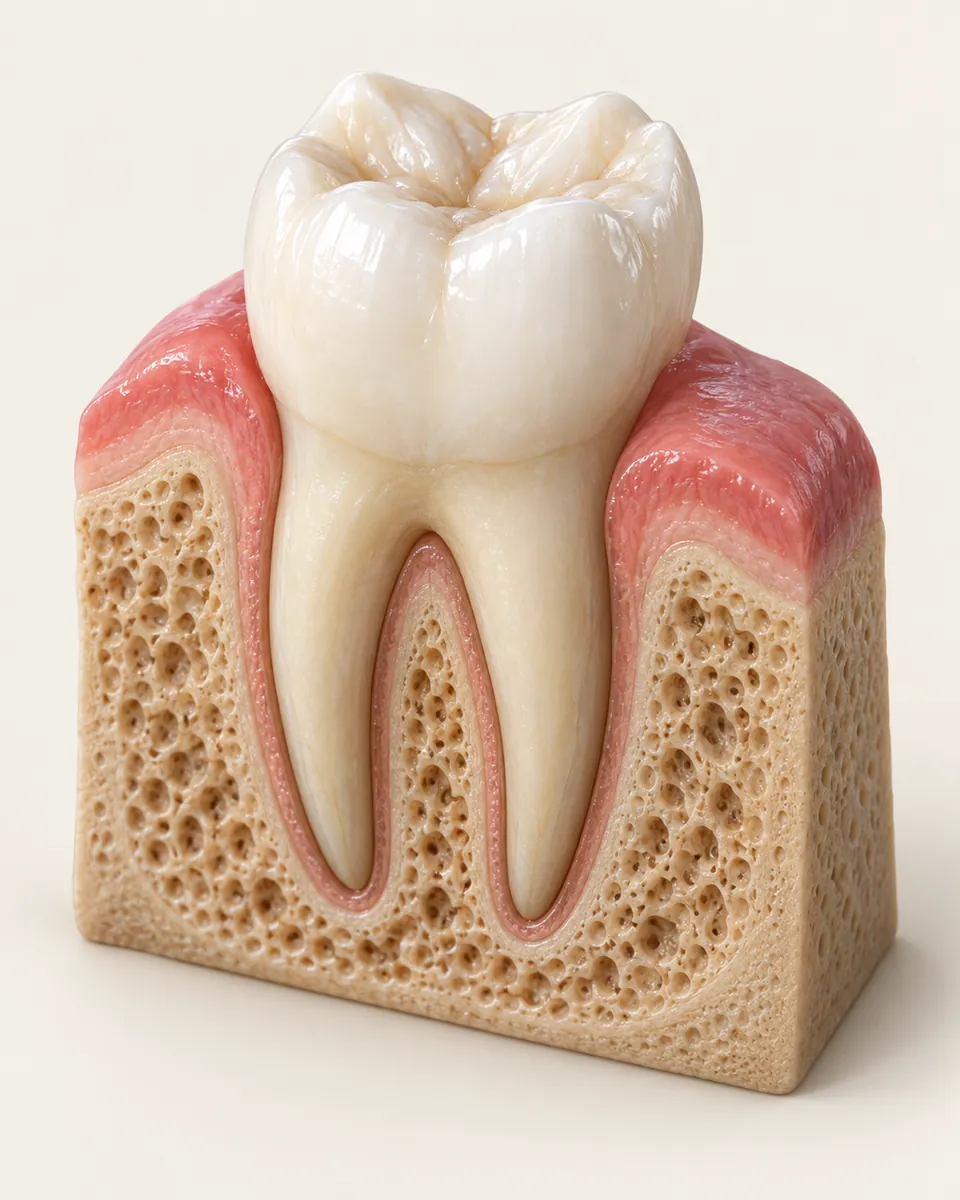 Tooth extractionWhen a tooth cannot be saved and replacement is planned.Learn about tooth extraction
MAKE AN ENQUIRY
Send an enquiry and our team will contact you. To book an appointment, use our online booking portal. For urgent availability, please call the clinic.