Hayat Dental — home
10bd5e348ff75942

HAYAT DENTAL · BROADWAY, SYDNEY

All-on-4 Dental Implants in Sydney

All-on-4 replaces every tooth in an upper or lower jaw with one fixed bridge held on four dental implants. At our Broadway clinic in Chippendale, a short walk from Central Station, we assess your bone, gums and health, compare it with dentures and other options, and set out each stage and its cost in writing before you decide.

Full-arch planning

3D imaging

Fixed teeth

Not removed at home

Options compared

Dentures and implants

Staged quote

Every stage explained

Understanding treatment

What is All-on-4 treatment?

All-on-4 is a way of replacing all the teeth in one jaw with a single fixed bridge supported by four dental implants. You may also see it written as All on 4 or All on Four, or described as full-arch dental implants. The bridge is secured to the implants and stays in your mouth. You clean it in place, and it is not a denture you take out at night.

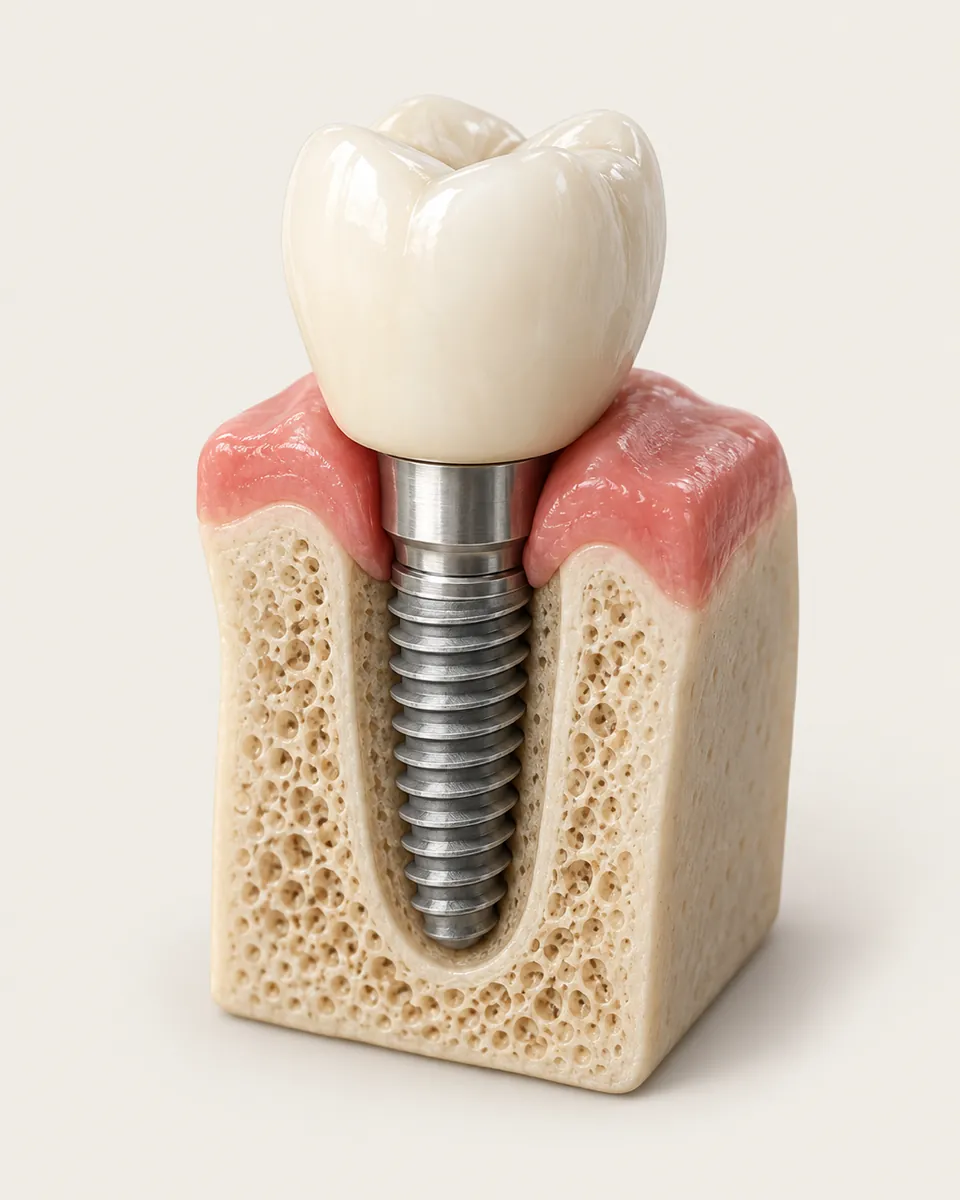
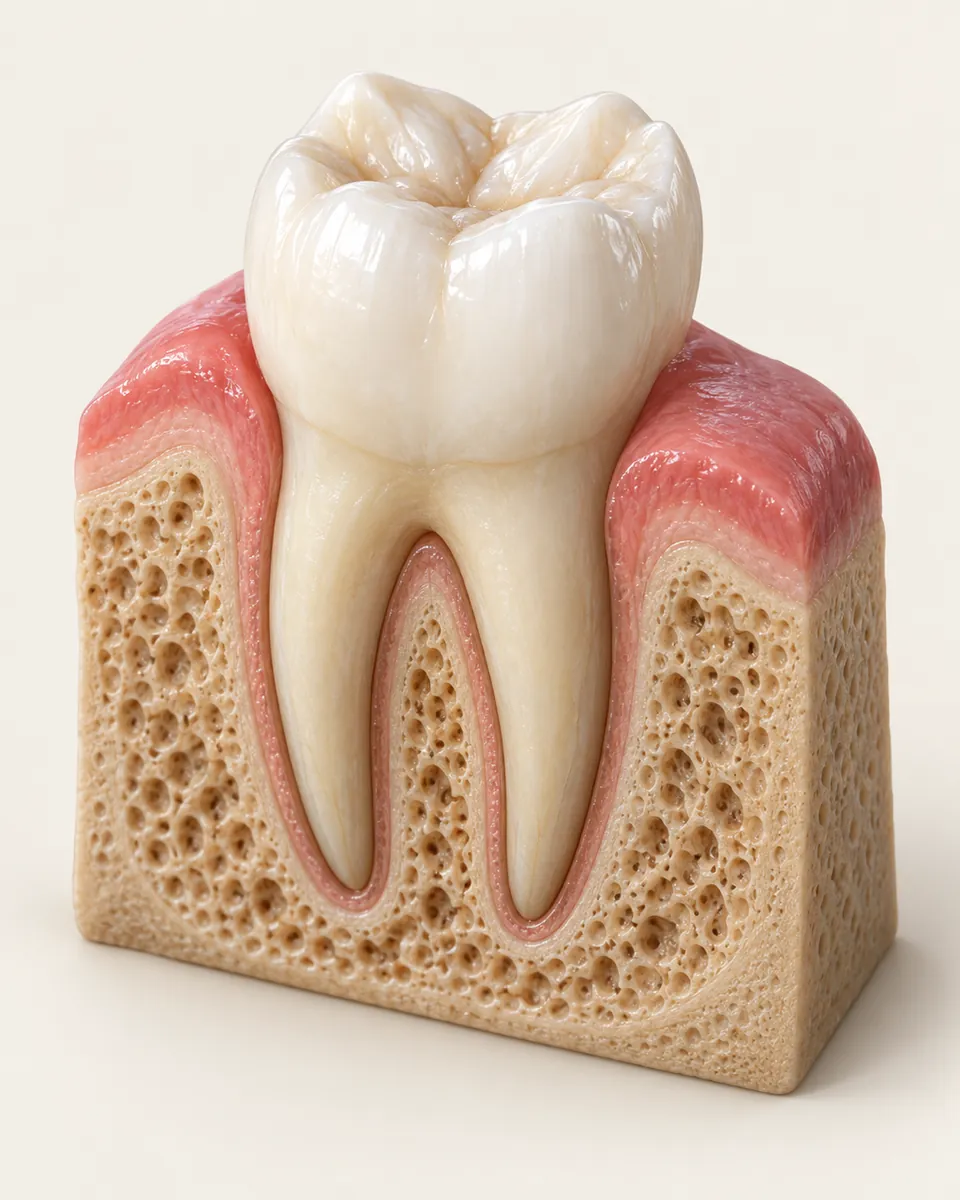
Two implants are placed towards the front of the jaw, where bone is usually thicker. The two at the back are angled. Angling them makes use of the available bone and helps keep them clear of the sinuses in the upper jaw and the nerve in the lower jaw. For some people this means treatment can go ahead without bone grafting, although only a scan can show that.

The bridge carries a full row of teeth and a gum-coloured section that replaces lost gum and supports your lips and cheeks. You wear a lighter provisional bridge while the implants heal, then a final bridge made to the shade and shape you have approved.

Four is the usual number, not a rule. Some jaws need five or six implants, and some people are better served by a different treatment altogether. An examination, your medical history and 3D imaging decide what is recommended, and you can discuss the bridge, any extractions, healing and aftercare before you consent to anything.

5c25a35bda3d7a2e

IS IT THE RIGHT APPROACH?

When another option may suit you better

OTHER OPTIONS TO ASK ABOUT

All-on-4 is for a full arch. Fewer missing teeth usually need something else

If most of your teeth are sound, keeping them is usually the more conservative choice. Your dentist will tell you plainly if All-on-4 is more treatment than you need.

One or a few missing teeth

Single implants or a short implant bridge replace only the teeth that are missing.

Dental implants

A removable option

Full or partial dentures avoid implant surgery and are taken out to clean.

Dentures

A gap between healthy teeth

A bridge may suit if the neighbouring teeth are strong.

Dental bridges

Teeth that may be saved

An assessment may show that some teeth can be kept.

Root canal treatment

Compare your options

All-on-4 compared with dentures and other options

OPTION 1

All-on-4 fixed bridge

A full arch of teeth fixed to four implants. It does not come out, it does not cover the roof of your mouth, and biting force passes through the implants into the jawbone instead of pressing on the gums.

It involves surgery, months of healing and a higher upfront cost than removable options. It also needs careful daily cleaning and regular professional maintenance for as long as you have it.

OPTION 2

Conventional full dentures

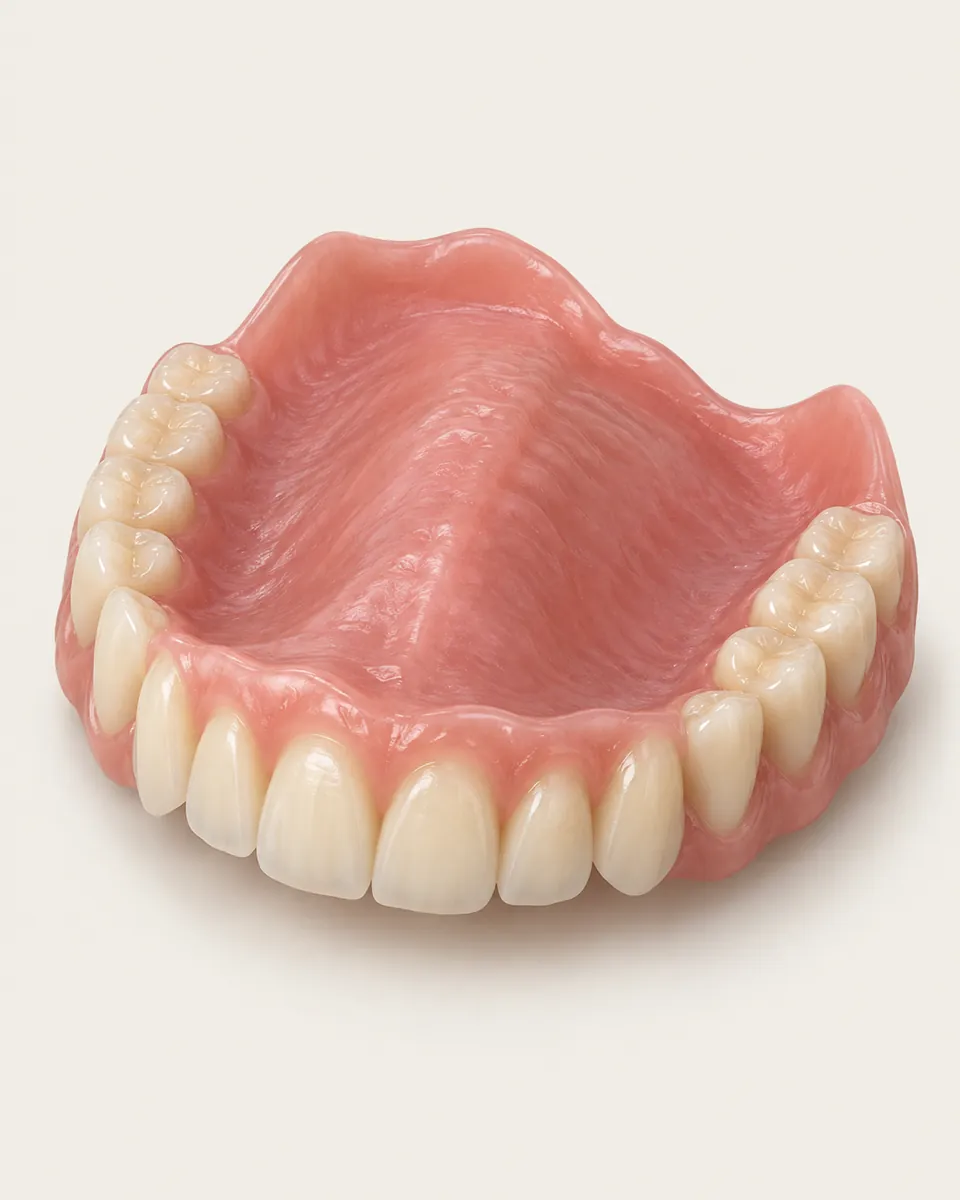
Removable, with no implant surgery and usually the lowest initial cost. Dentures rest on the gums and rely on fit, suction and muscle control, sometimes with adhesive. Many people manage well with them.

A lower denture has less to grip, so it is the one that most often moves when you eat or speak, and an upper denture covers the palate. The jawbone keeps changing shape under a denture, so relines or a remake are needed from time to time. Dentures can also be clipped onto a small number of implants to hold them more firmly, which is a different treatment from a fixed bridge.

OPTION 3

Individual implants and shorter bridges

Where you still have healthy teeth worth keeping, replacing only the missing ones with single or multiple dental implants or a dental bridge is often the more conservative choice.

All-on-4 is a full-arch treatment. It is not the right answer for a mostly intact arch with a few gaps, and we will say so if that is your situation.

Simplified comparison. The number and position of implants, and which option suits you, are confirmed at your assessment. Our guide to comparing replacement options when most teeth need treatment goes into more detail.

HOW IT WORKS

A full arch on four implants

Four implants support a fixed bridge that replaces all the teeth in one jaw.

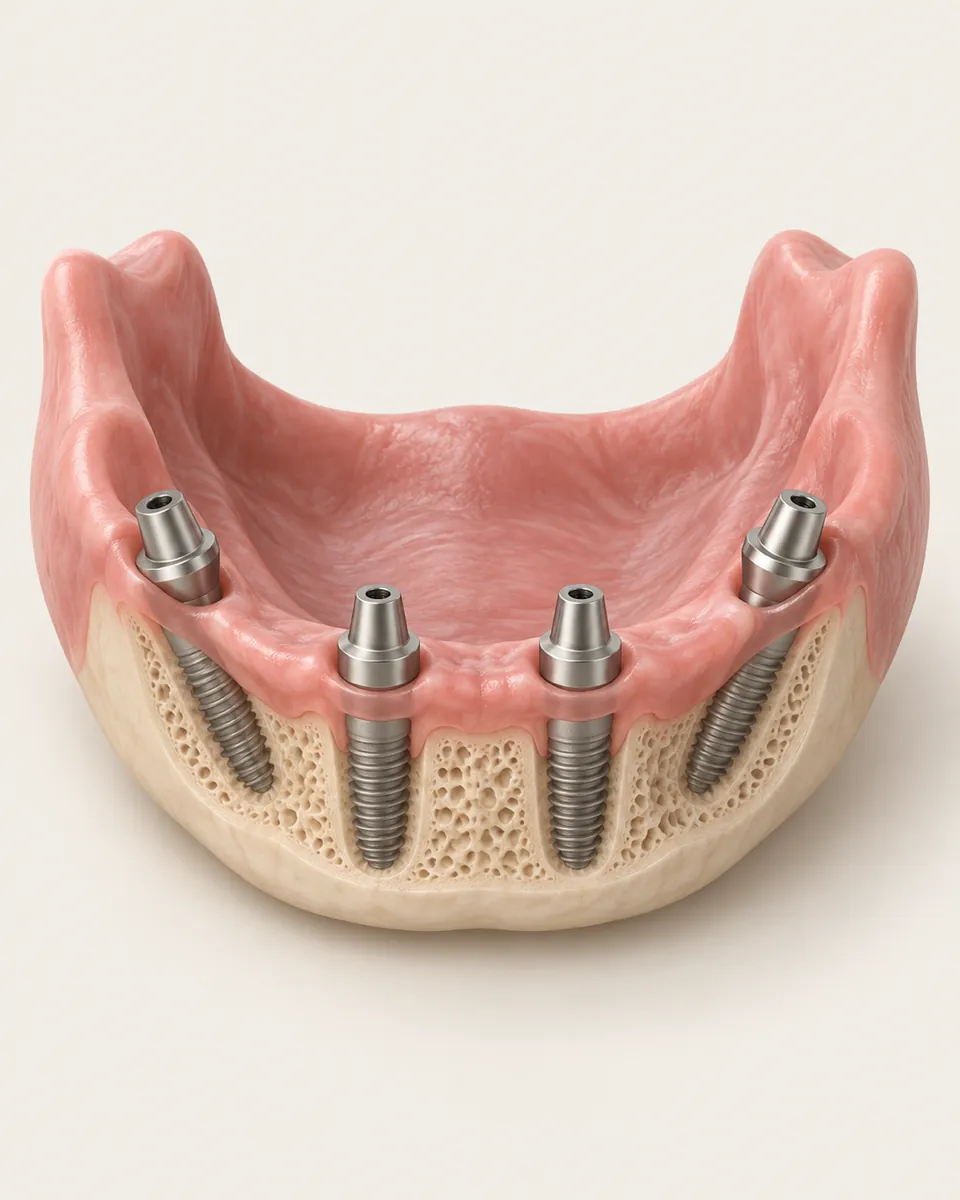
Illustration: model of a lower jaw arch with four implant posts, two upright at the front and two angled at the back, no teeth

01

Four implants

Two implants are placed towards the front of the jaw and two are angled towards the back, in the positions planned from your 3D imaging.

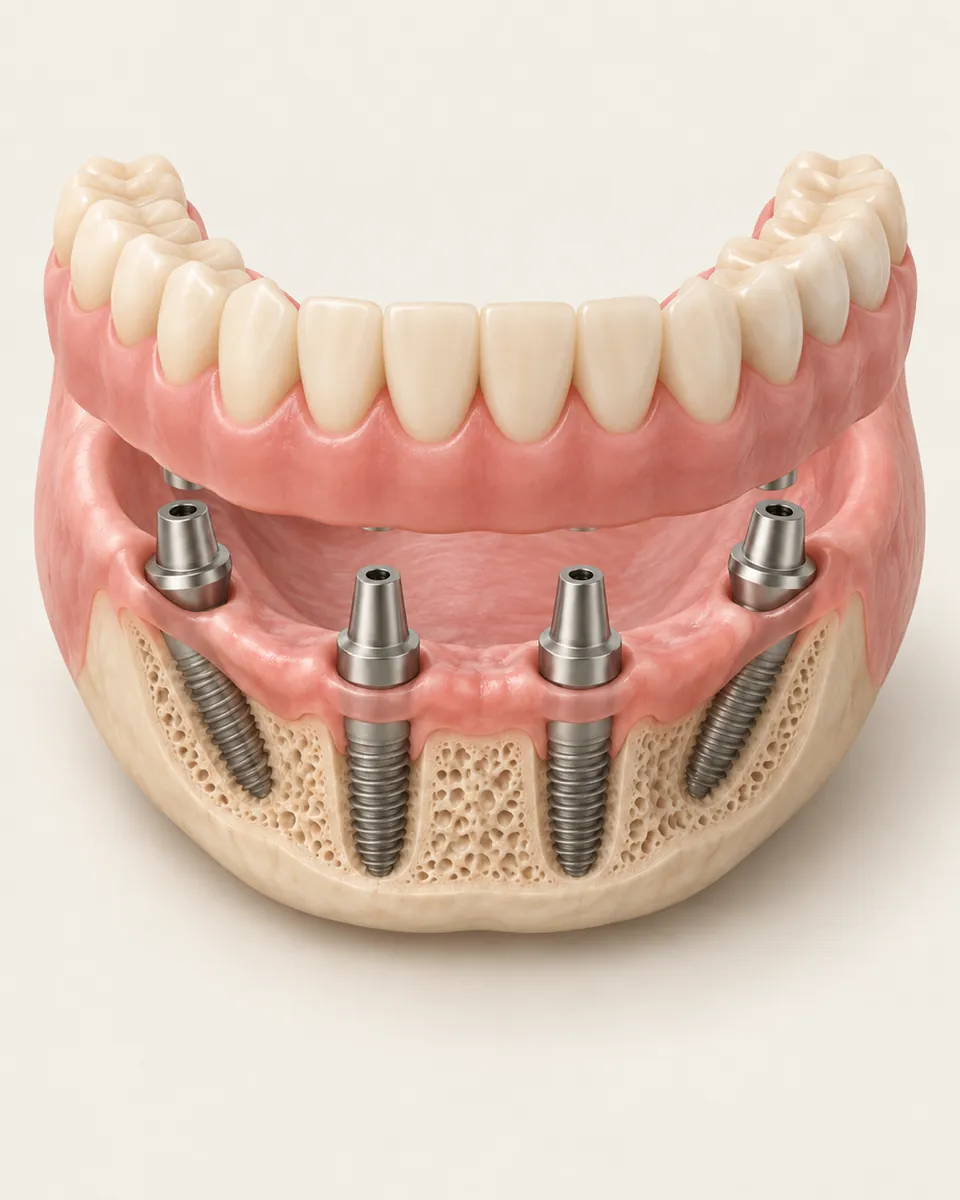
Illustration: full-arch prosthetic bridge with gums and teeth, floating just above a jaw arch with four implant posts

02

A fixed bridge

A full-arch bridge is made to fit the four implants. A provisional bridge comes first, and the final bridge follows once healing is confirmed.

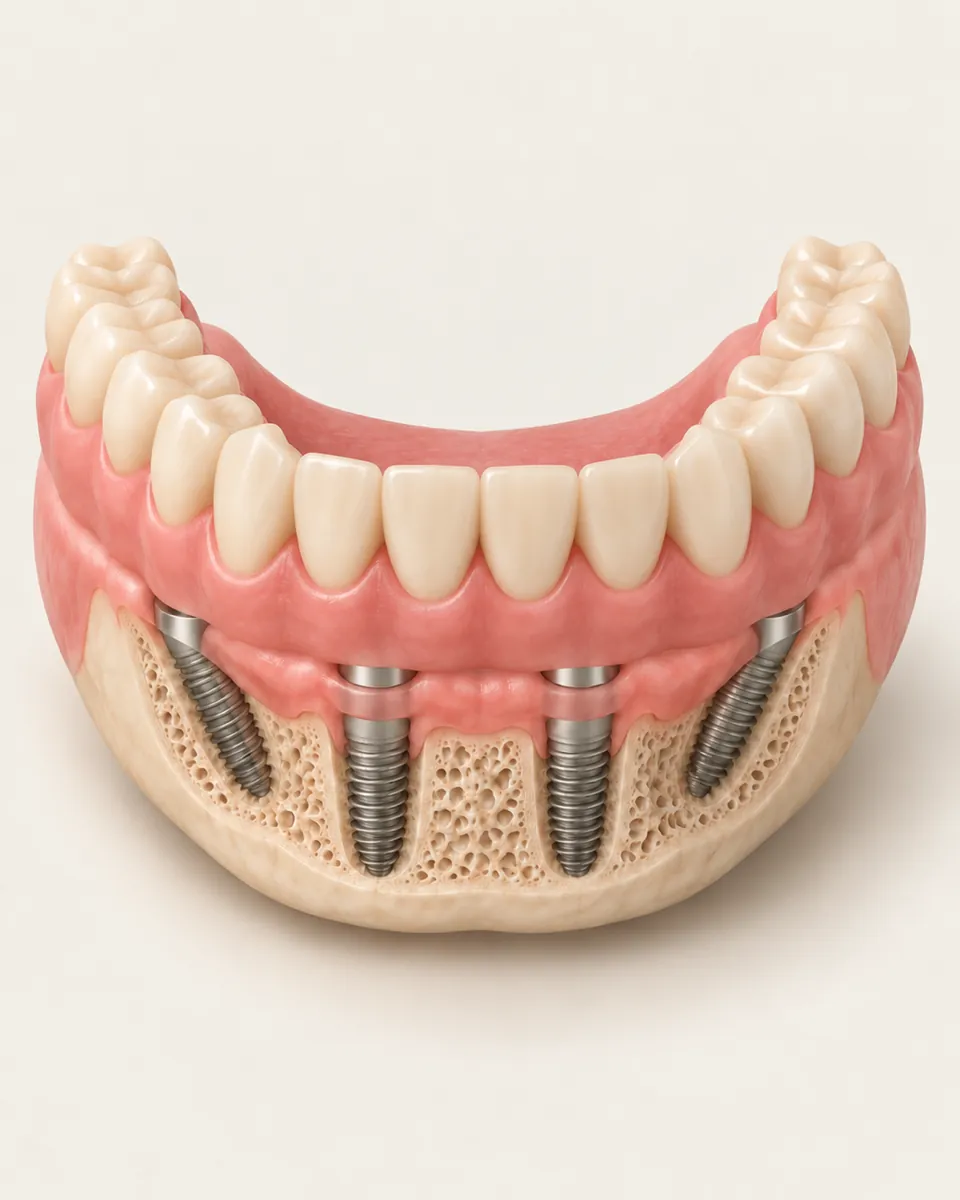
Illustration: complete lower jaw arch with a fixed full-arch bridge secured on implants

03

Fitted and fixed

The bridge is secured to the implants. You clean it in place every day, and we review it regularly.

What to expect

The All-on-4 procedure, stage by stage

Treatment usually runs over several months, because the implants need time to heal into the bone before the final bridge is made. Your own timing depends on your treatment and how you heal.

Book online

01

Consultation and assessment

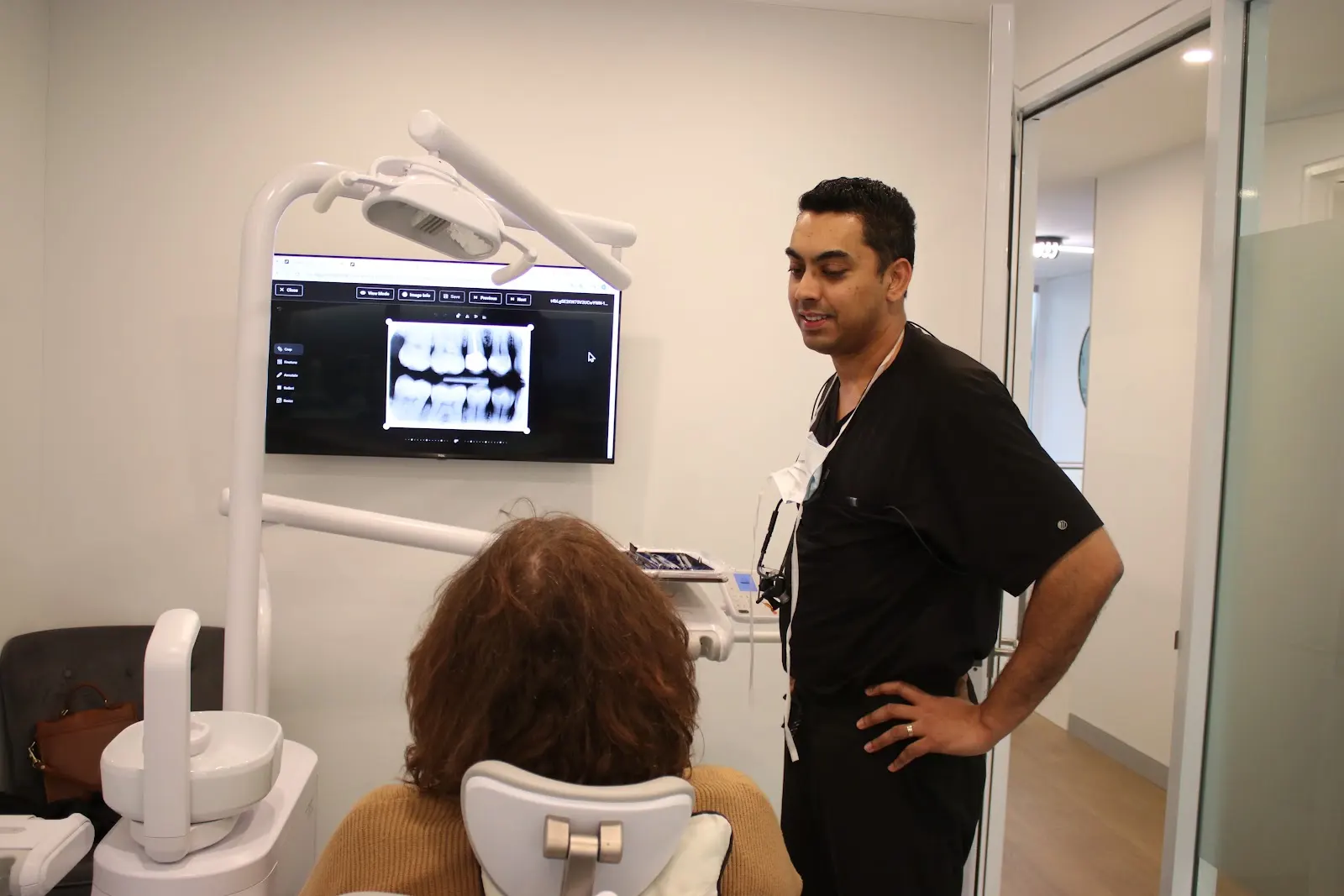
We take your medical and dental history, examine your teeth, gums and bite, and talk about what you want from treatment. Photographs, a 3D scan of your mouth and, where needed, 3D X-ray imaging (CBCT) show the bone, nerves and sinuses. If All-on-4 does not suit you, this is when we say so and go through the alternatives.

02

Digital planning and your written plan

The position and angle of each implant are planned on your imaging before any surgery, along with the design of the bridge. You receive a written treatment plan with the stages, itemised costs, a realistic timeline and the risks that apply to you.

03

Preparation

This can include treating gum disease, checking health factors with your doctor and deciding on sedation. We also help you plan the practical side: transport home, time away from work or study, and soft food ready at home.

04

Surgery and implant placement

Surgery is carried out under local anaesthetic, and happy gas or IV sedation can be arranged for suitable patients. Any teeth in that arch that cannot be kept are removed, the jaw is prepared and the four implants are placed. For one arch this usually takes several hours.

05

Fitting the provisional bridge

A fixed provisional bridge is attached once the implants are stable enough to carry it. Sometimes that is soon after surgery, but it depends on how firmly the implants sit and cannot be promised in advance. We check your bite and give you written aftercare instructions before you leave.

06

Healing

Over roughly three to six months, bone grows onto the surface of the implants. This is called osseointegration. You come in for reviews so we can check healing, adjust the provisional bridge and see how you are managing the cleaning.

07

Fitting the final bridge

When healing is confirmed, we take impressions or digital scans for the final bridge. You approve the shade and shape before it is made. It is then fitted, your bite is refined and we show you how to clean around and under it.

08

Ongoing maintenance

Regular reviews let us check the implants and gums, clean the areas you cannot reach at home and monitor the fit of the bridge. Long-term results depend on them.

Suitability, risks and recovery

Before you decide

01

Who All-on-4 may suit

It may be considered when most or all of the teeth in a jaw are missing, failing or cannot be kept. Your bone, gum health, medicines and general health all affect whether it is suitable.

Smoking, uncontrolled diabetes and active gum disease can affect healing. Some of these can be managed first, and some may point to a different option.

02

Signs it may be worth an assessment

Your full denture, especially a lower one, does not feel secure, or your denture slips when you eat. Most of the teeth in one jaw are failing from gum disease, decay or old bridgework. You have been told you need several extractions and want to understand your replacement options before the teeth come out, not after.

You avoid foods you used to enjoy because chewing has become unreliable, or you feel self-conscious about your teeth or denture. Both are sound reasons to ask.

03

Bone loss and bone grafting

Bone shrinks after teeth are lost. Angled back implants can sometimes avoid the areas where bone is thinnest, so it is worth being reassessed if you were once told you did not have enough bone for implants. Grafting, extra implants or another option may still be needed.

Read more about what can be done when there is not enough bone.

04

Understand the risks

Risks include infection, bleeding, swelling, injury to a nerve or sinus, an implant not bonding to the bone and damage to the bridge. Smoking impairs healing and raises the chance of an implant failing.

If an implant does not bond, it may need to be removed and replaced after healing, which can change the plan and the timeline. Your dentist explains the risks specific to you before you consent.

05

Recovery after surgery

Expect discomfort, swelling and some bruising for several days. Soft foods are needed at first, and hard or very chewy foods stay off the menu while you wear the provisional bridge.

Follow the food and cleaning instructions written for you, and contact the clinic if pain or swelling gets worse instead of better.

06

Long-term maintenance

The bridge cannot decay, but the gums and bone around the implants can become inflamed if plaque builds up. Daily cleaning under the bridge and regular maintenance visits are part of the treatment, and so are occasional repairs as the bridge wears.

Read our guide to cleaning and maintaining All-on-4 teeth.

Costs and payment

All-on-4 cost in Sydney: what a full-arch quote includes

We do not publish a single All-on-4 price, because the fee depends on what your jaw needs. After your assessment you receive a written, itemised treatment plan, and nothing is booked until you have read it and had your questions answered.

Your plan should itemise the assessment and 3D imaging, removal of any remaining teeth in the arch, placement of the implants and any sedation. It should also cover the provisional bridge, the final bridge and what it is made of, review visits during healing and ongoing maintenance. With each part listed, you can compare quotes like for like.

The fee changes most with whether one jaw or both are treated, the material of the final bridge, how many teeth need removing, whether bone grafting or extra implants are needed, and the type of sedation.

A note on a price you may have seen: our offers page lists single implant treatment from $5,500, subject to assessment. That is for one implant replacing one tooth, which is covered on our dental implants page. It is not a full-arch price, and All-on-4 is quoted separately.

New patients can book a complimentary dental implant consultation Monday to Friday. Saturday consultations start from $150, and fees apply for the release of X-rays, photographs or digital scans from a complimentary consultation. Full terms are on our offers page.

Humm payment plans are available; approval, fees and terms apply. We accept all major health funds and claim on the spot through HICAPS. Cover for implant treatment varies widely between funds and policies, so check your benefits and annual limits directly with your fund.

7bc7181d51c10bdb

A BIG DECISION

Take the time you need

Your assessment covers suitability, risks, recovery and costs, with no pressure to decide on the day.

Why Hayat Dental

Full-arch care with clear planning and ongoing support

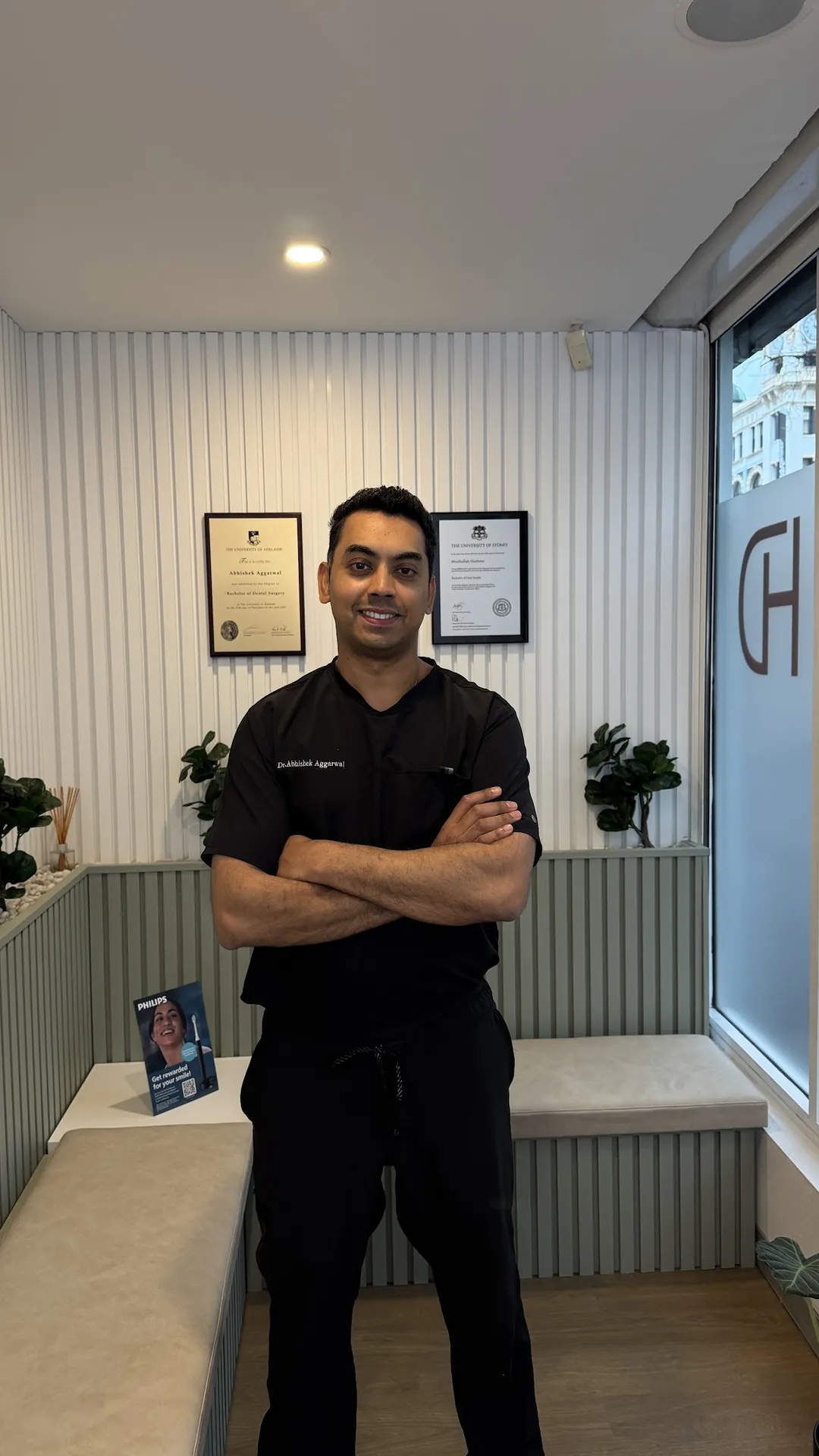
Implant treatment at Hayat Dental is planned and provided by our implant dentist, a general dentist with a Graduate Diploma in Dental Implantology and more than 15 years of dental experience. If your case needs care beyond general practice, such as complex bone reconstruction, we will refer you.

Implant positions are planned on 3D imaging before the day of surgery. You receive a written plan covering the stages, itemised costs, timeline and the risks specific to you, and our dental team will go through it with you.

Ask about the appointment sequence and recovery before you arrange time away from work or study. If dental treatment makes you nervous, tell us at your assessment so we can plan support for anxious patients, including sedation where it is suitable.

We are on Broadway in Chippendale, directly opposite UTS and next to Broadway Shopping Centre and its car park, a short walk from Central Station and the southern end of the Sydney CBD. The clinic opens at 8 am Monday to Saturday and stays open until 7 pm on Thursdays.

A GOOD PLACE TO START

Not sure All-on-4 is right for you?

Book a consultation at our Sydney clinic to compare full-arch implants with dentures, bridges and keeping your own teeth. We explain what we find and what each option involves, and there is no pressure to decide on the day.

88db248b44797bbf

Your questions

All-on-4 FAQs

Still unsure? Our team can talk it through with you.

Call 02 9030 0247
How much does All-on-4 cost in Sydney?+

There is no single price. The fee depends on whether one jaw or both are treated, the material of the final bridge, extractions, any bone grafting and the sedation used. You receive a written, itemised quote after your assessment, before anything is booked. The single implant fee on our offers page is for one tooth and is not a full-arch price.

Can I have fixed teeth on the day?+

Sometimes. A fixed provisional bridge can be attached soon after surgery when the implants are stable enough to carry it. That is only known once the implants are in, so it cannot be promised in advance. The provisional bridge is lighter than the final one, which is made after healing. You may see this described as teeth in a day or same-day teeth.

How long does All-on-4 treatment take from start to finish?+

Surgery for one jaw usually takes several hours in a single appointment. The whole process, through to the final bridge, generally takes three to six months, because the implants need time to bond with the bone. It can take longer if gum treatment, healing after extractions or bone grafting is needed first.

Is All-on-4 painful?+

Surgery is carried out under local anaesthetic, so you should feel pressure and movement, not pain. Afterwards, discomfort, swelling and bruising are expected for several days and are usually managed with the pain relief your dentist recommends. Experiences vary from person to person.

Is sedation available for All-on-4 surgery?+

Yes, where it is suitable for you. The options discussed at our clinic include happy gas (nitrous oxide) and IV sedation, which is given with an anaesthetist. Your medical history, medicines and the length of the procedure decide which is appropriate, and you may need someone to take you home afterwards.

Can I have All-on-4 if I have been told I do not have enough bone?+

Possibly. The back implants are angled to use the denser bone towards the front of the jaw and to avoid the areas where bone loss is usually greatest. Some people who were told they needed grafting for conventional implants can be treated without it. Others still need grafting, extra implants or a different option. 3D imaging is the only way to know for your jaw.

How long do All-on-4 implants last?+

There is no fixed lifespan. With good cleaning and regular maintenance, implants can function for many years. The bridge is a separate part and may need repair or replacement over time as it wears. Smoking, gum health, grinding and missed maintenance visits all affect how long things last.

Will All-on-4 teeth look natural?+

The bridge is made to a tooth shade and shape you choose, with a gum-coloured section that supports your lips and cheeks. You approve the look before the final bridge is made. How natural it appears varies with your face shape, lip line and how much gum and bone have been lost.

Do I take the teeth out at night?+

No. The bridge is fixed to the implants and you do not remove it. You clean it in your mouth with a toothbrush, interdental brushes and a water flosser. Only your dentist takes it off, and only when there is a clinical reason.

What can I eat after All-on-4 surgery?+

Soft foods only at first, usually for about two weeks, then a gradual return to a wider diet as your dentist advises. While you wear the provisional bridge, keep avoiding hard and very chewy foods. With the final bridge most people return to a broadly normal diet, although it is sensible to avoid chewing ice, very hard nuts and opening packets with your teeth.

Is All-on-4 better than dentures?+

They are different treatments with different trade-offs. A fixed bridge does not move, does not cover the palate and passes biting force into the jawbone. Dentures need no surgery, cost considerably less and work well for many people. Which suits you depends on your bone, health, budget and priorities, and that is what the consultation is for.

Can I have All-on-4 on both the upper and lower jaw?+

Yes. Both jaws can be treated, either in the same surgical appointment or in stages. This is sometimes called full mouth dental implants. Treating both arches roughly doubles the cost and lengthens recovery, so we go through the practical side with you during planning.

What is the difference between All-on-4, All-on-6 and All-on-X?+

The names describe how many implants hold the bridge. All-on-4 uses four. Some jaws are better served by five or six, depending on the bone and the shape of the arch, and All-on-X is a general term for any number. Your imaging and bite decide the number, and more implants are not automatically better.

What is the final bridge made of?+

Final full-arch bridges are generally made in one of two ways: acrylic teeth on a metal frame, or zirconia. Acrylic is lighter and simpler to repair but wears faster. Zirconia is harder wearing and usually costs more. Your written plan states which material is recommended for you and why.

Can I smoke after having All-on-4?+

Smoking raises the risk of implant failure and slows healing. We strongly recommend stopping, particularly through the healing period. If you smoke, the risks in your case are discussed with you before you decide whether to go ahead.

Are payment plans or health fund rebates available?+

Humm payment plans are available; approval, fees and terms apply. We accept all major health funds and claim on the spot through HICAPS. Implant cover differs a great deal between funds and policies, so check your major dental benefits, waiting periods and annual limits with your fund before you commit.

Who provides All-on-4 treatment, and where is the clinic?+

Implant treatment is planned and provided by our implant dentist, a general dentist with a Graduate Diploma in Dental Implantology. Your assessment and planning take place at our Broadway clinic in Chippendale, in inner Sydney, opposite UTS and a short walk from Central Station. If your case needs care beyond general practice, we will refer you.

MAKE AN ENQUIRY

Make an enquiry

Send an enquiry and our team will contact you. To book an appointment, use our online booking portal. For urgent availability, please call the clinic.