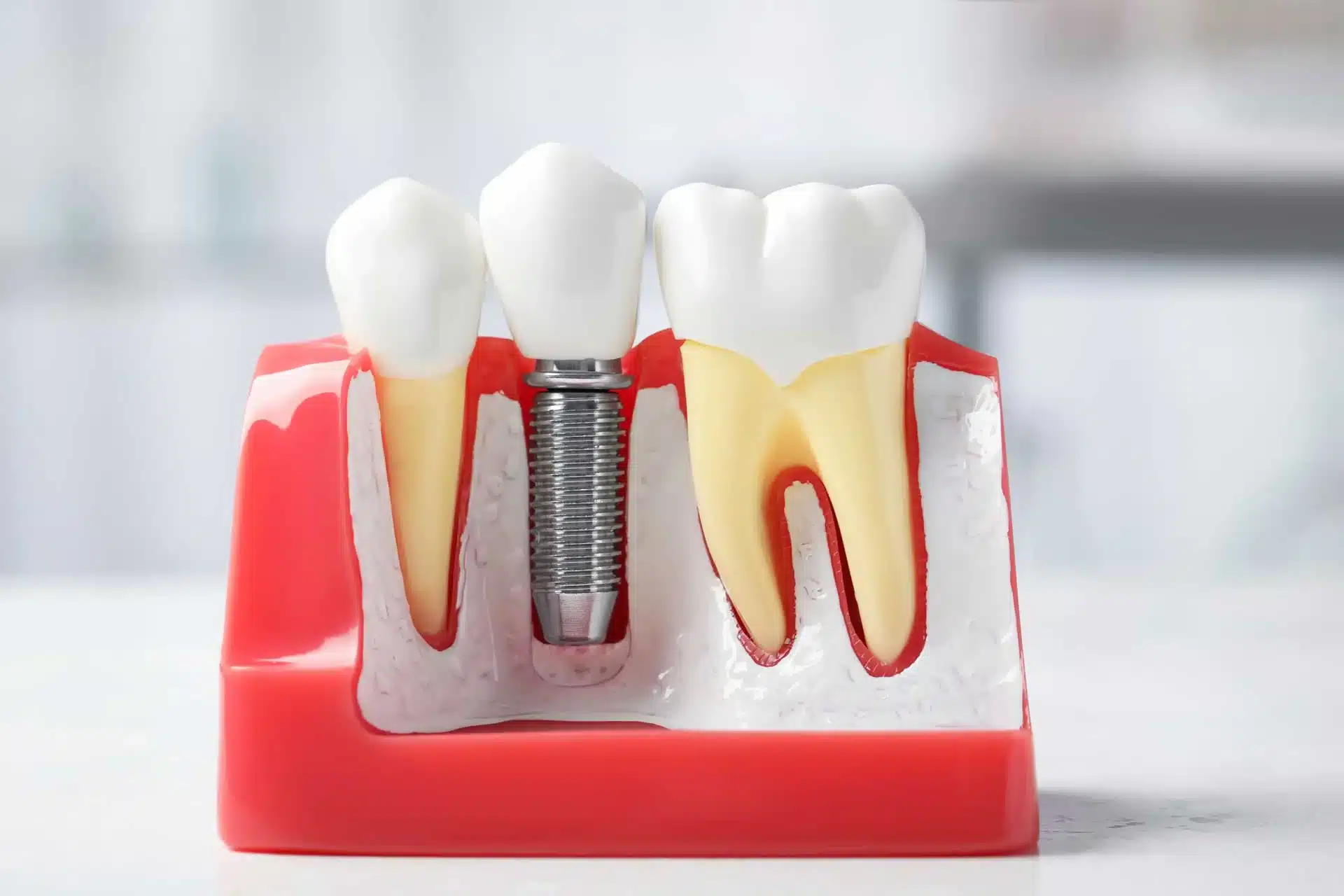
How to clean All-on-4 teeth is different from cleaning natural teeth, because the bridge is fixed in place and covers the gum. This article explains what daily cleaning needs to achieve, what happens at maintenance visits and which signs to have checked. Your own instructions depend on the design of your bridge, so treat this as a general guide alongside the advice from your treating dentist.
Why a fixed bridge needs a different routine
With All-on-4 dental implants, a full arch of teeth is secured to implants in the jaw. The teeth are made of materials that do not decay. The risk sits underneath, where the bridge meets the gum and around each implant.
Plaque that collects there can inflame the gum around an implant. While the inflammation is limited to the gum it is called peri-implant mucositis, and it is considered reversible with improved cleaning and professional care.
Peri-implantitis is different. It is inflammation around an implant together with progressive loss of the bone that supports it. It is more difficult to treat, treatment is not always successful, and in some cases an implant can be lost. This is why prevention and early detection matter.
Because the bridge covers the gum, a normal brushing routine does not reach the areas that matter most. The aim of cleaning is to disrupt plaque along the gum line and under the bridge every day.
Daily cleaning at home
The American College of Prosthodontists, in its position statement on maintaining full-arch implant restorations, advises brushing at least twice a day together with the use of floss, interdental cleaners and a water irrigator. In practice, a daily routine usually covers:
- Brushing all surfaces of the teeth at least twice a day
- Brushing along the line where the bridge meets the gum
- Cleaning under the bridge with floss made for bridges or with interdental brushes
- Using a water flosser to flush under the bridge and around the implants
- Cleaning any remaining natural teeth in the other jaw as usual
Which tools you use, what size and how you angle them depend on the shape of your bridge and the space beneath it. Your dental clinic should show you the technique on your own bridge and check that you can manage it, particularly if you have limited hand movement or eyesight.
Check with your dentist before adding other products. Not every toothpaste suits every bridge material, and antiseptic mouth rinses are generally used when a dentist recommends them, not as a routine extra.
While the implants are healing
Treatment is staged, and many people wear a temporary bridge while the implants heal before the final bridge is made. Cleaning and eating instructions during this stage are different from long-term care and are specific to your surgery.
Follow the instructions you were given for that period, including when to start cleaning around the area and which foods to avoid. If you are unsure about anything, ask the clinic instead of following general advice found online.
Maintenance visits with your dentist
Home cleaning is only half of the routine. The same position statement recommends maintenance appointments at intervals of two to six months, scheduled according to each patient’s risk profile.
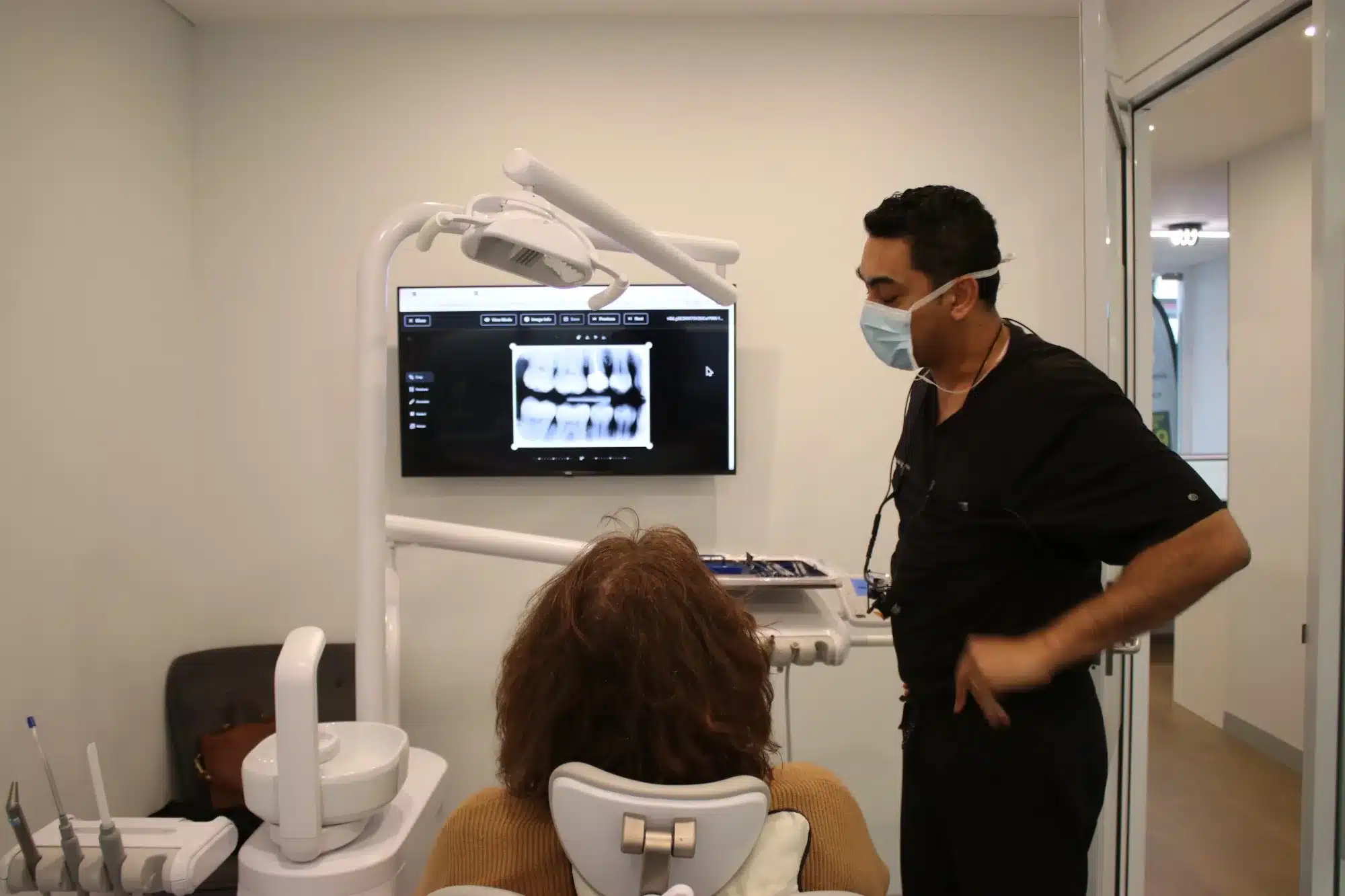
At these visits the gums around each implant are checked for signs of inflammation such as redness, swelling and bleeding, plaque and hardened deposits are assessed and removed with instruments that are compatible with the implants and the bridge, and any changes in your medical history are reviewed. Your dentist will also look at the condition of the bridge itself.
X-rays are taken after the final bridge is fitted, to give a baseline for comparison. As a general recommendation, the statement suggests repeating them about every one to two years, or when there are signs of infection. This is not a fixed schedule, and the timing for you depends on what your dentist finds and on your individual risk.
The bridge does not usually need to be taken off for routine cleaning. The statement discourages removing it at regular maintenance visits unless the area cannot be cleaned adequately with it in place or there is a mechanical problem, and notes that removal may also be needed where there are signs of peri-implantitis.
What raises the risk of problems
Some factors make problems more likely and may mean you are seen more often. The position statement lists the first four below as examples of what shapes a patient’s risk profile.
Smoking: a history of smoking is associated with more problems around implants.
A history of gum disease: people who have had gum disease around their natural teeth are at higher risk of inflammation around implants.
General health: some medical conditions can affect how the gums and bone respond.
Difficulty cleaning: limited vision or dexterity makes daily cleaning harder, so the routine may need adapting.
Grinding or clenching: heavy forces can chip or wear a bridge, and your dentist may advise a night guard.
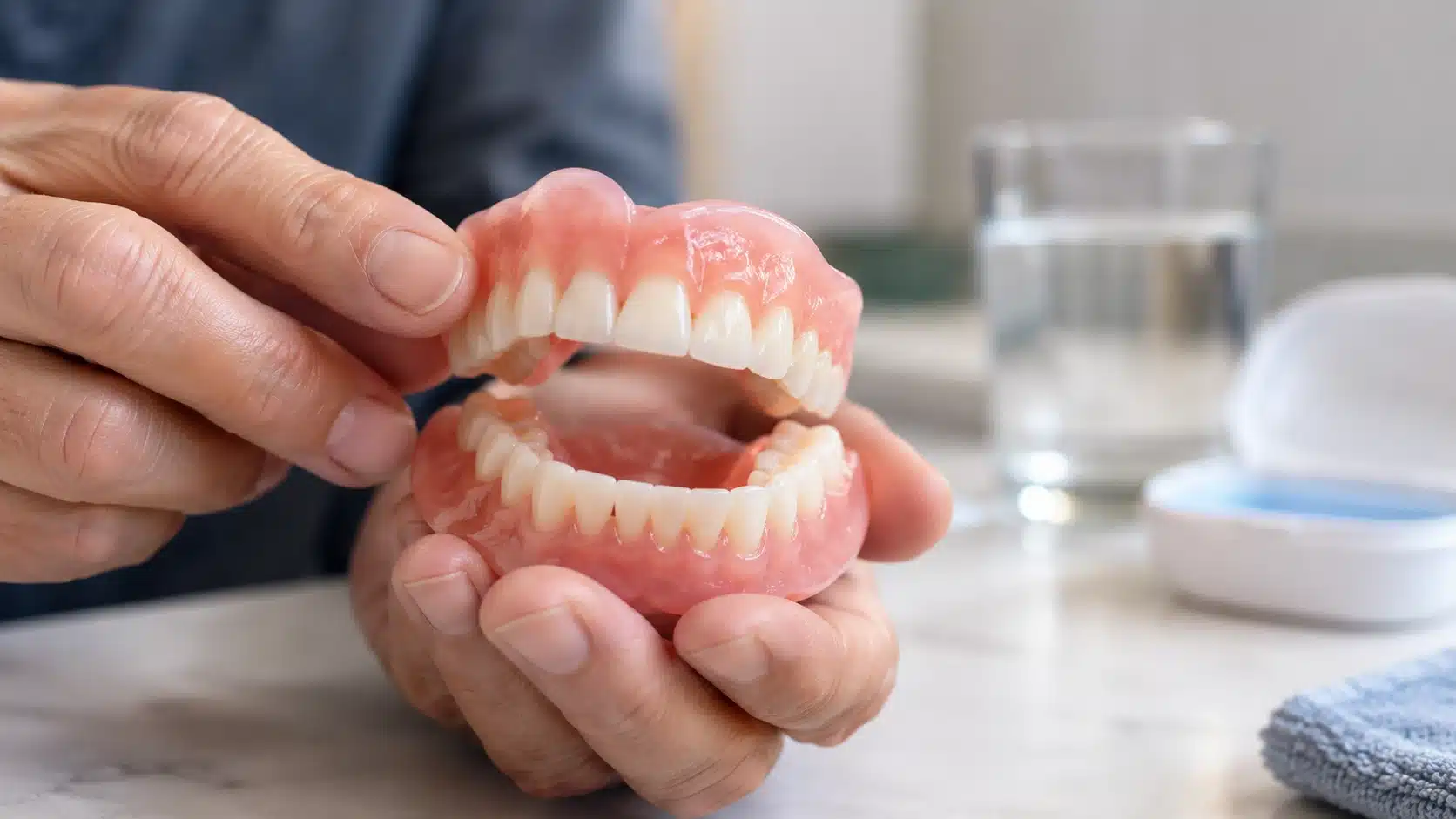
If you are still deciding on treatment, it helps to see how the options compare on ongoing care, from rebuilt natural teeth to dentures and fixed bridges.
Signs to have checked
Contact your dentist if you notice any of these, without waiting for your next maintenance visit:
- Bleeding, redness or swelling around the gum under the bridge
- A persistent bad taste or smell
- Pain or tenderness around an implant
- The bridge feeling loose, moving or clicking
- A chipped or broken tooth on the bridge
- Food trapping more than it used to
- A change in how your teeth meet
Inflammation that is found while it is still limited to the gum is easier to manage than inflammation that has reached the bone, so it is worth having changes looked at early.
Frequently Asked Questions
Can All-on-4 teeth get decay?
No, the bridge cannot decay. The gums and bone around the implants can still become diseased, which is why daily cleaning is still needed.
Does the bridge need to be removed for cleaning?
Not usually. You clean it in place at home, and it is generally left in place at maintenance visits unless there is a specific clinical reason to remove it.
Should I use a manual or an electric toothbrush?
Either can be suitable. What matters is that the brush reaches the gum line and that you use it with the right technique. Follow your dentist’s advice on the brush type and technique for your particular bridge.
How long do All-on-4 teeth last?
There is no guaranteed lifespan. It depends on your health, how well the bridge is cleaned, the forces on it and regular maintenance. Parts of the bridge can wear and may need repair or replacement over time.
Is maintenance an extra cost?
Ongoing maintenance visits and occasional repairs are part of the long-term cost of a fixed bridge. Ask for them to be set out in your written treatment plan.
Have a question about caring for your bridge?
If you have a fixed implant bridge and are unsure about your cleaning routine, or you have noticed any of the signs above, book a review. At Hayat Dental in Broadway, Sydney, our team can check your implants and gums and go through your cleaning technique with you.



Written by the Hayat Dental team
Dr Abhishek Aggarwal, Dr Joanne McGilp and Masi Hashimi care for patients at our Broadway clinic in Chippendale.
Meet the teamThis article is general information only and is not a substitute for a dental assessment. If you have pain or swelling, call the clinic.