01
A gap in your smile
- A tooth lost to decay, injury or gum disease
- An adult tooth that never came through
- A gap that makes chewing on one side harder
HAYAT DENTAL · BROADWAY, SYDNEY
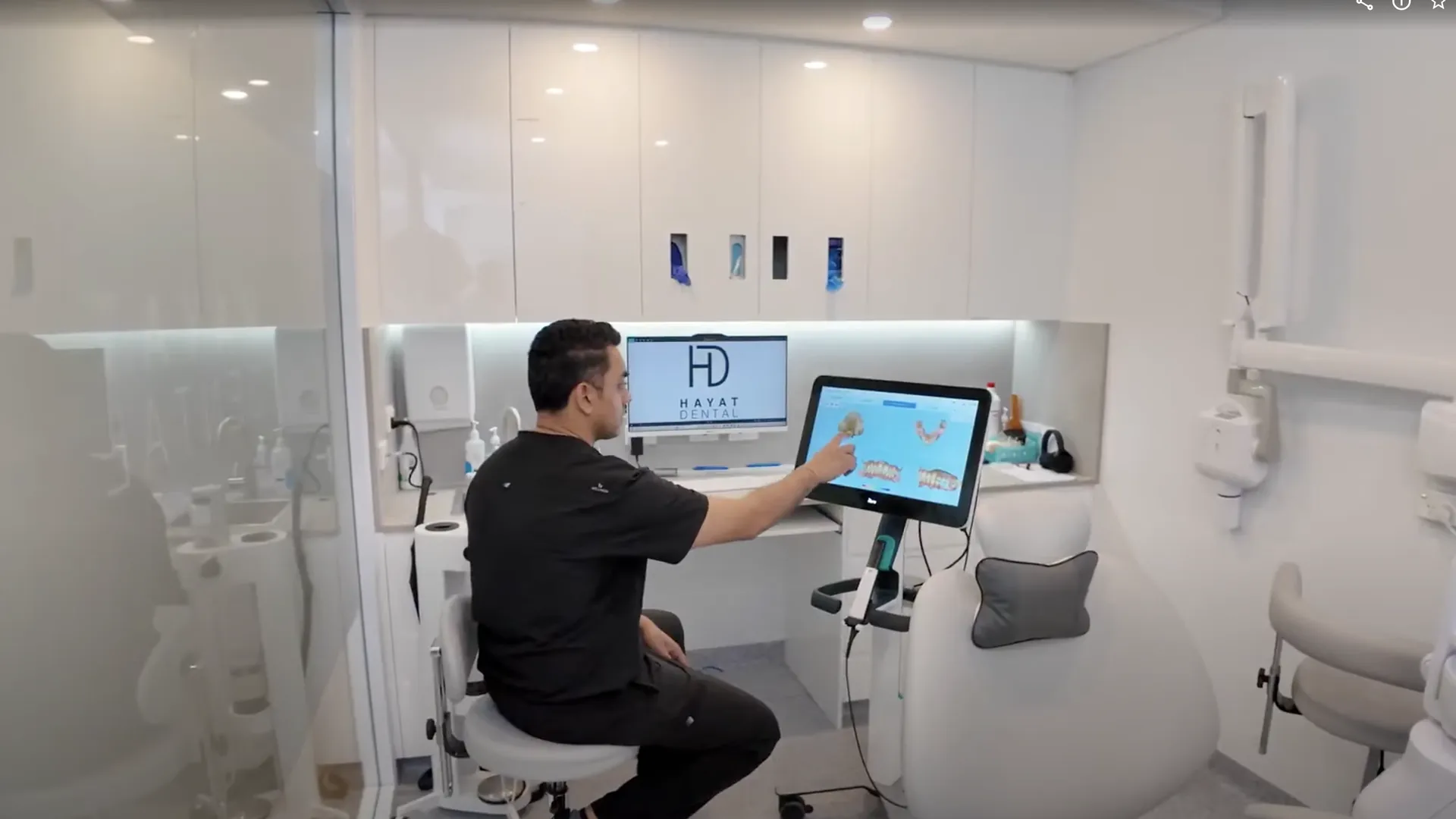
Dental implants replace missing teeth with a small post in the jawbone and a custom crown, bridge or denture on top. At Hayat Dental in Sydney, close to Central Station, we check your bone, gums and bite, compare the alternatives and explain every stage before you decide.
3D imaging
Careful planning
Single to full arch
Options compared
Written treatment plan
Before treatment
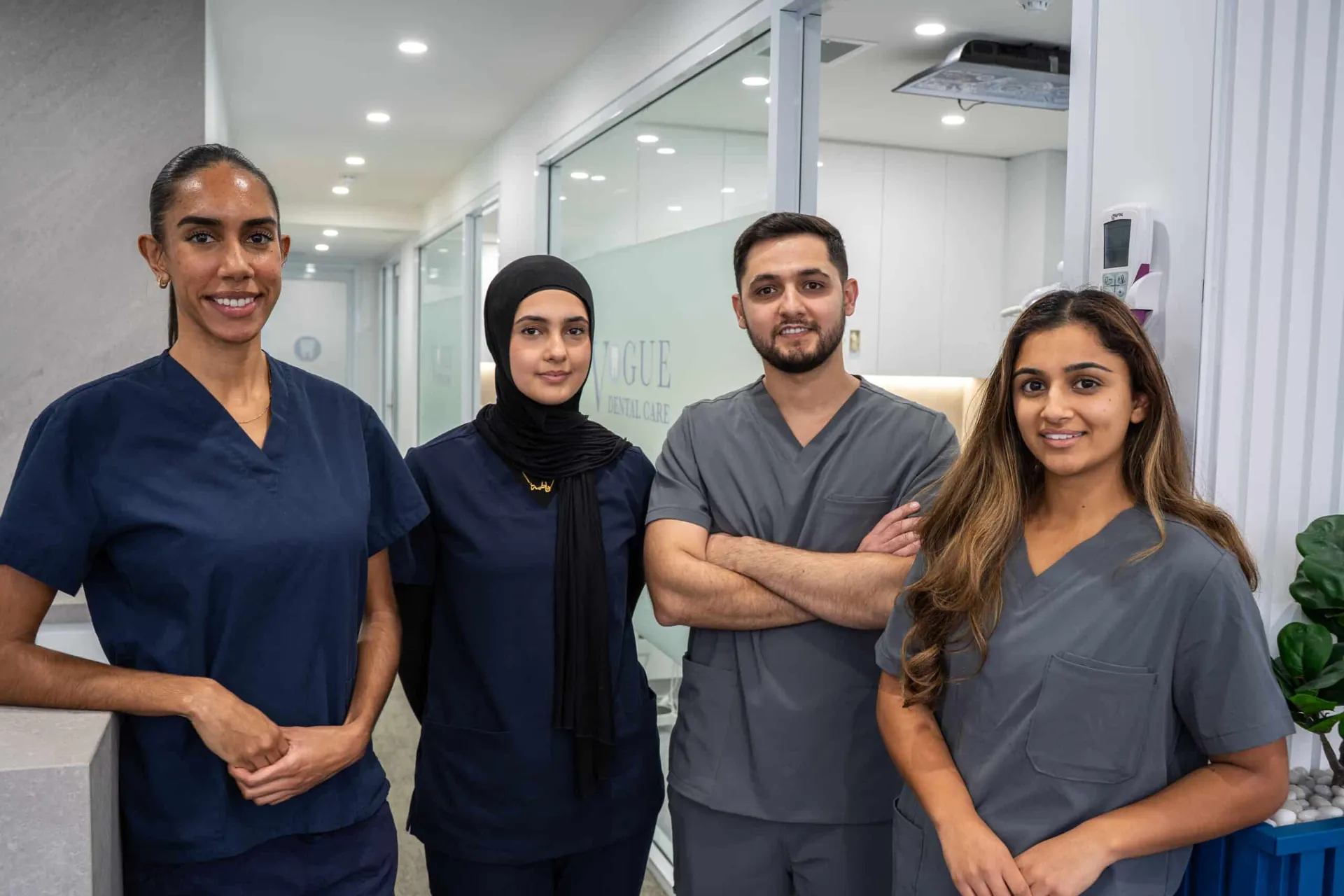
Experienced dentists
Implant and restorative care
Understanding implants
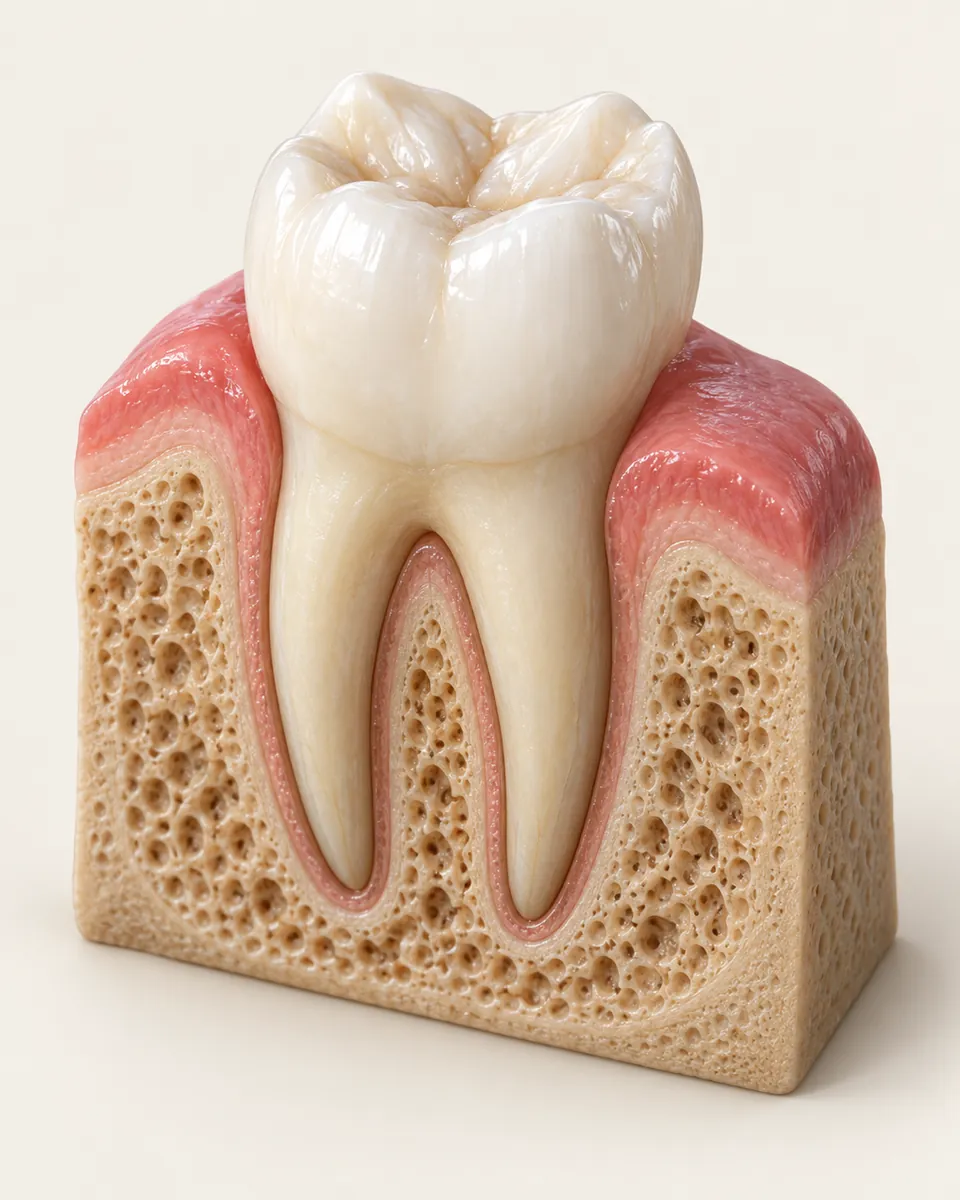
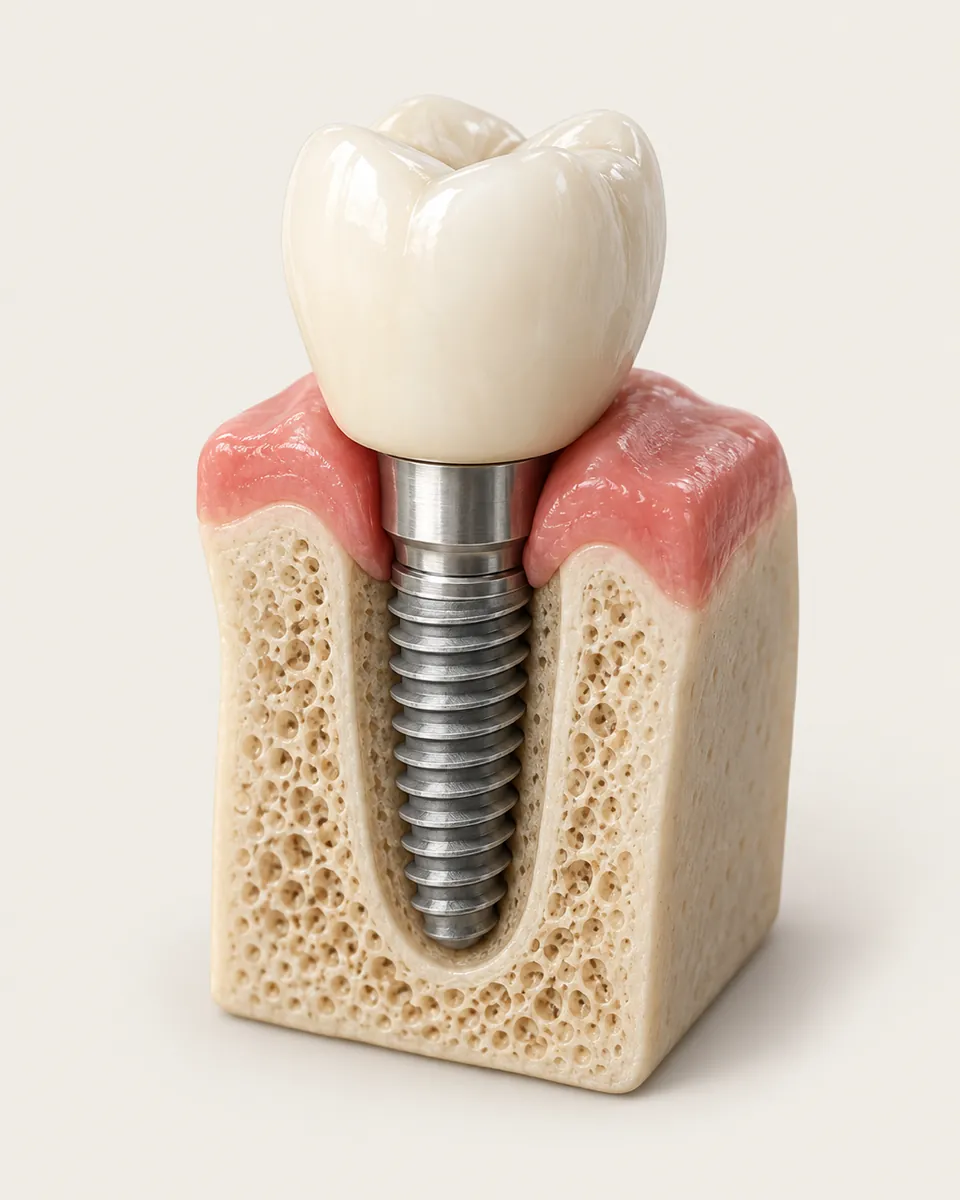
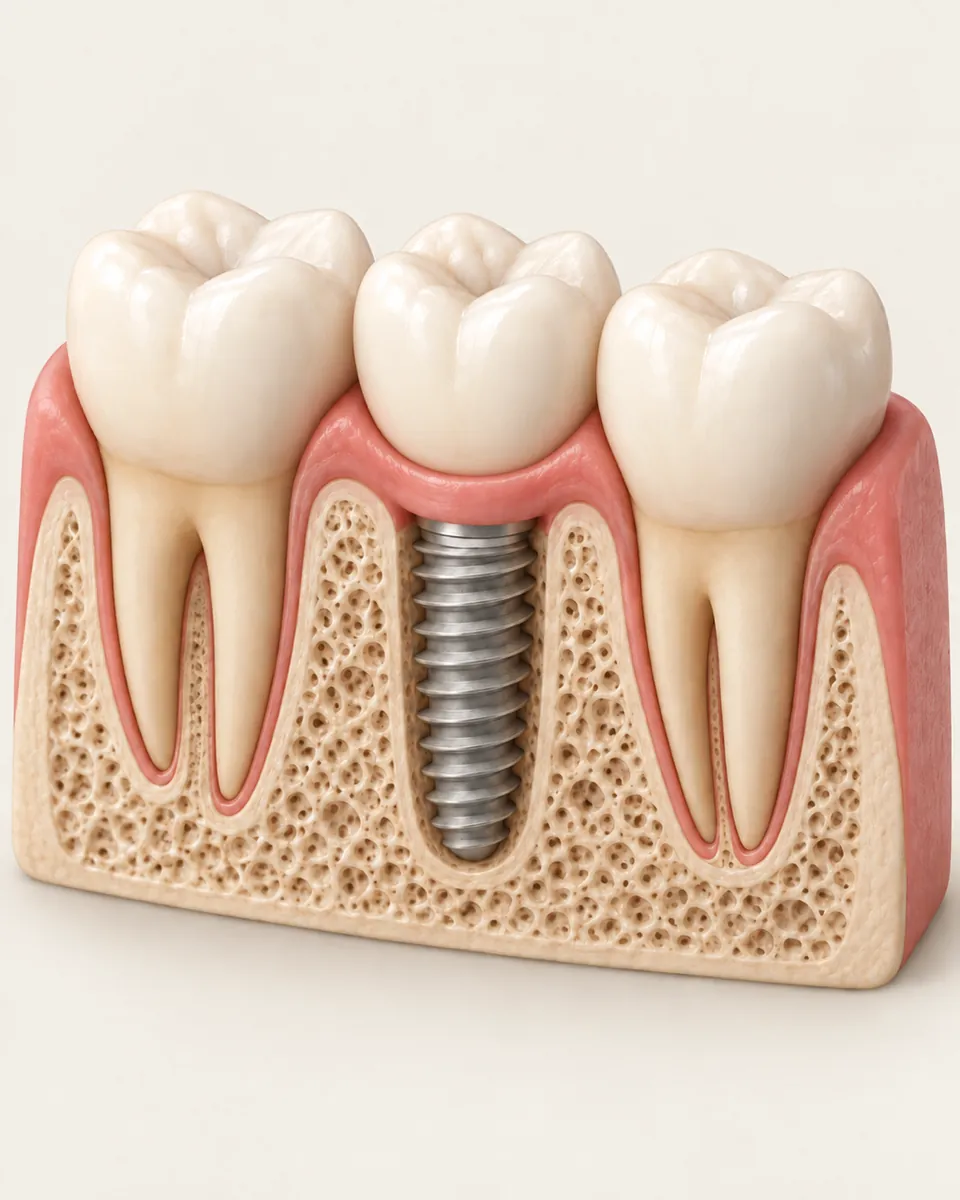
A dental implant, sometimes called a tooth implant, is a small titanium post placed in the jawbone to replace the root of a missing tooth. Over the following months, the bone heals around the post and holds it firmly in place. This process is called osseointegration.
Once the implant has healed, a connector called an abutment is attached and a custom crown is fitted on top. One implant can support a single crown, and several can support a bridge or denture when more teeth are missing. You clean an implant crown much like your other teeth, including between the teeth.
An examination and imaging show whether your bone and gums can support an implant. Your dentist will explain the alternatives and the likely timeline before you decide.
Is it right for you?
Replacing a missing tooth is worth discussing early, because neighbouring teeth can drift into the space over time. An examination confirms whether an implant suits you or whether another option is a better fit.
01
02
03
04
Call for an urgent assessment with our emergency dentist. If a knocked-out adult tooth is found, hold it by the crown, keep it in milk and call straight away. If swelling affects breathing or swallowing, call 000 or go to an emergency department.
COMPARE BEFORE YOU DECIDE
OTHER OPTIONS TO ASK ABOUT
Your dentist will explain which treatment suits the problem.
Compare your options
The right pathway depends on how many teeth are missing, where they are and how much bone is available. If a tooth still needs removing, the timing of the implant is planned around how the site heals.
OPTION 1
One implant supports one crown to replace a single missing tooth. The teeth on either side do not need to be shaped to hold it in place, which is a key difference from a conventional bridge.
OPTION 2
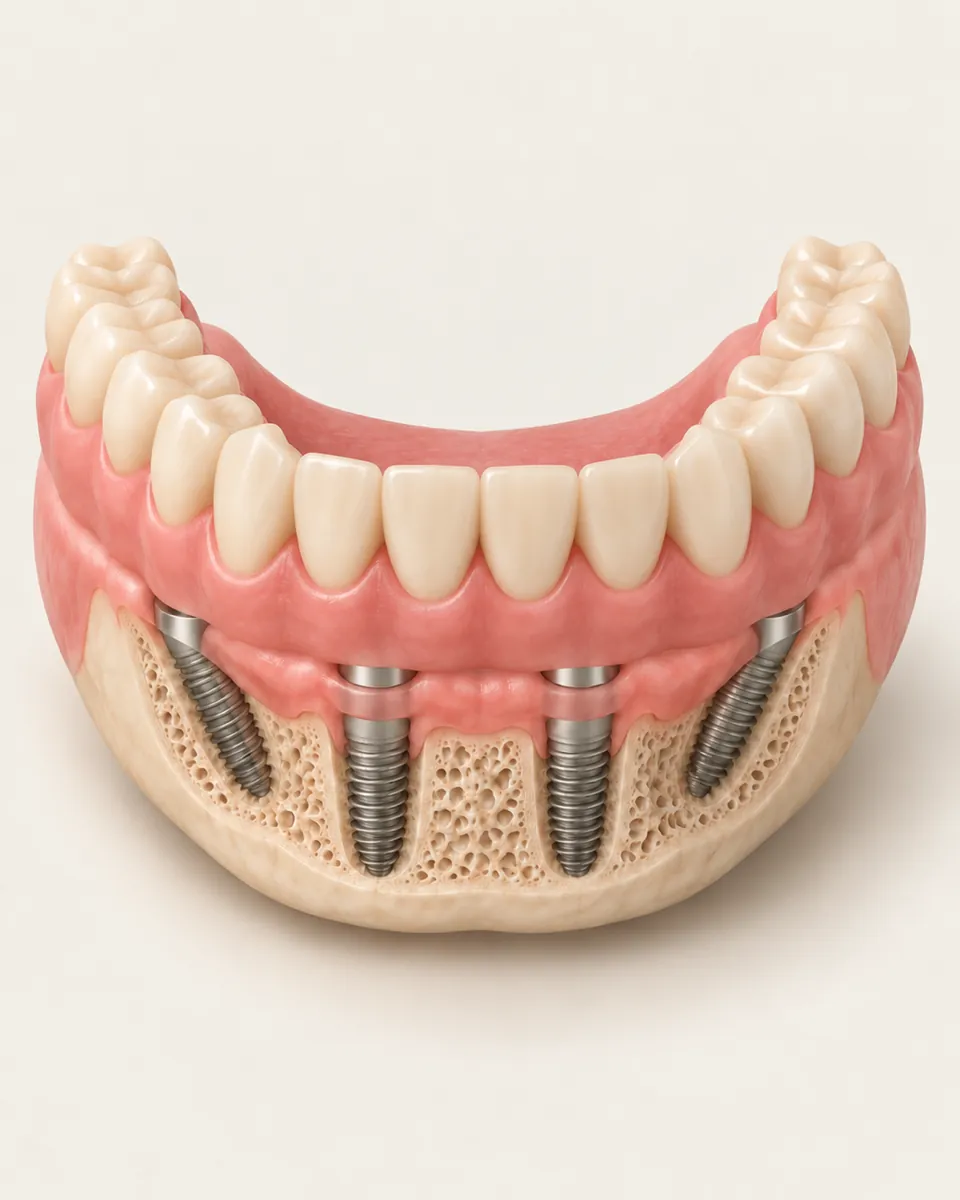
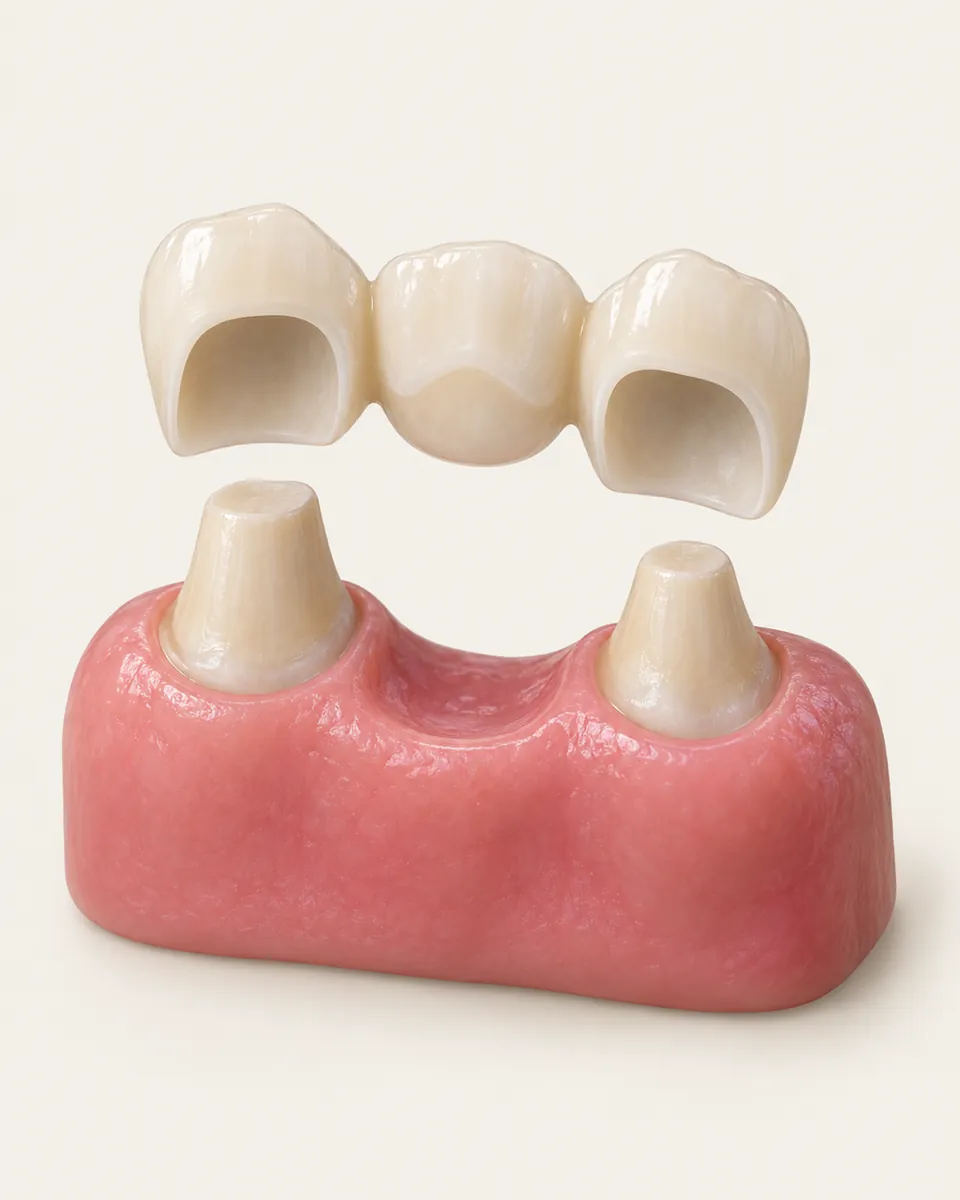
Implants can support individual crowns or an implant-supported bridge. A bridge can sometimes replace more teeth than there are implants, depending on the position of the gap and the bone available.
OPTION 3
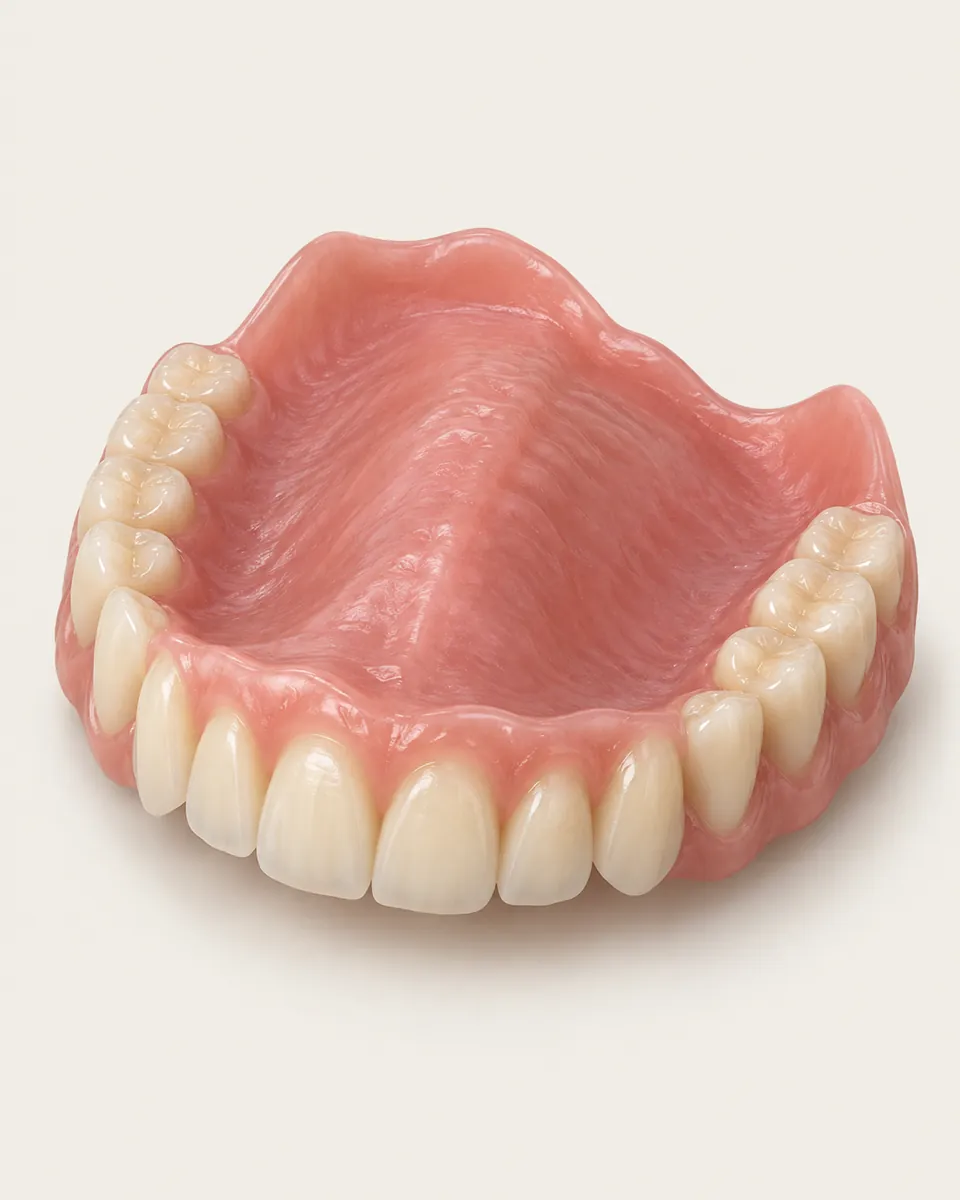
If most or all teeth in a jaw are missing or failing, implants can support a fixed full arch or a removable implant-retained denture. Read about All-on-4 dental implants to see how full arch treatment differs.
HOW AN IMPLANT REPLACES A TOOTH
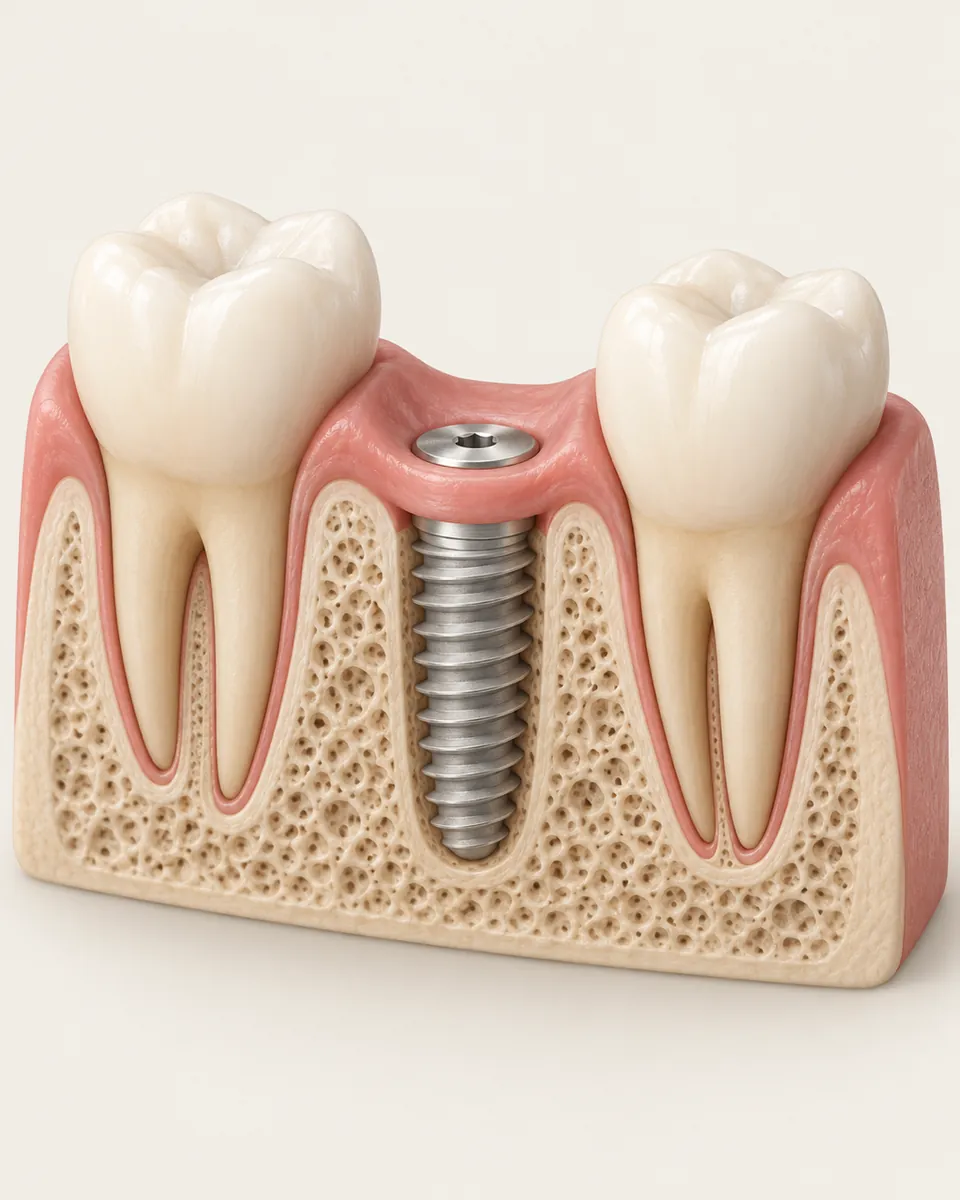
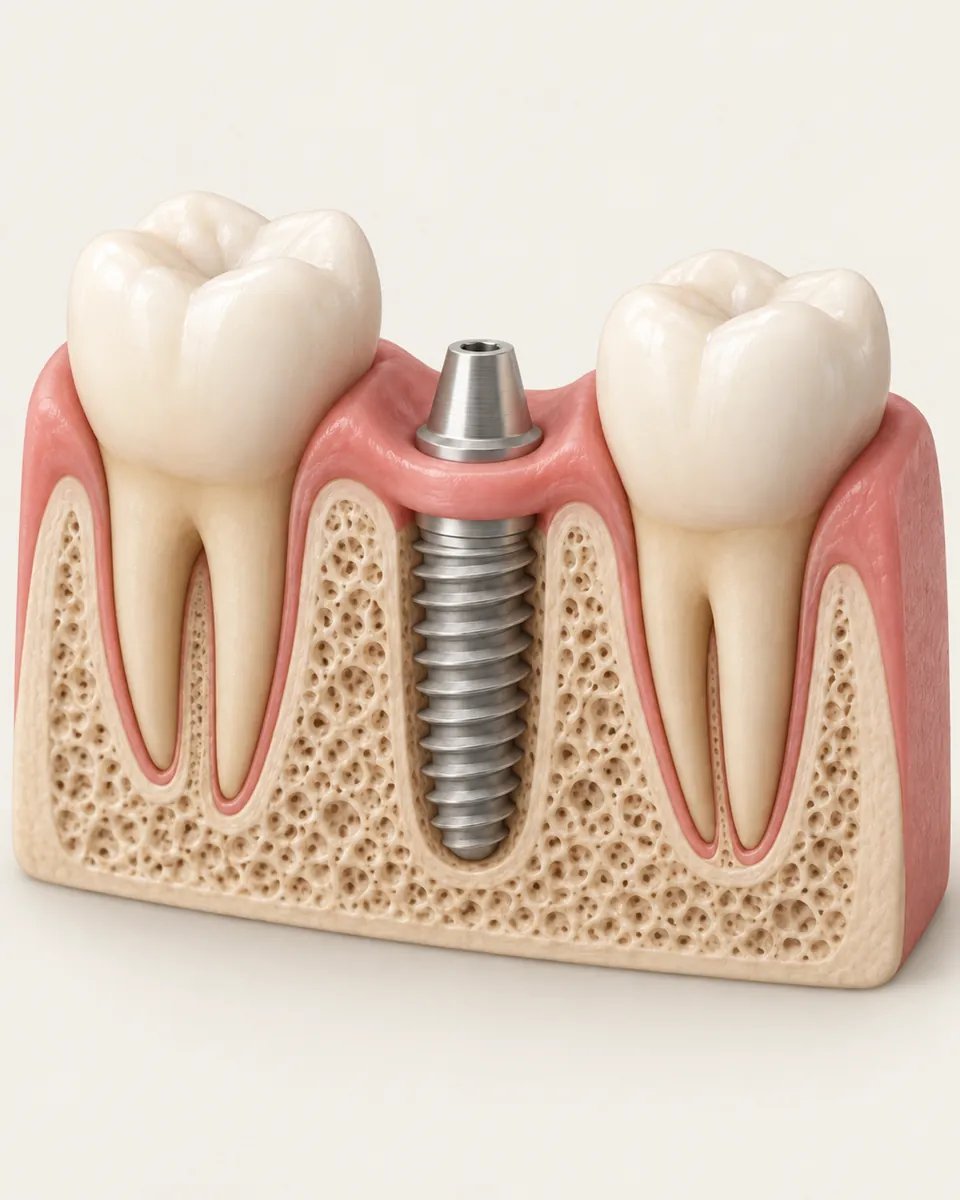
An implant replaces the root. A connector and crown replace the part you see.
01
A titanium or ceramic post is placed in the jaw where the tooth root used to be.
02
The bone heals around the implant over several months before the final tooth is attached.
03
A custom crown is attached to an abutment, then shaped and shaded to sit with your other teeth.
What to expect
Each stage is explained before treatment, so you know what will happen and why.
Book online01
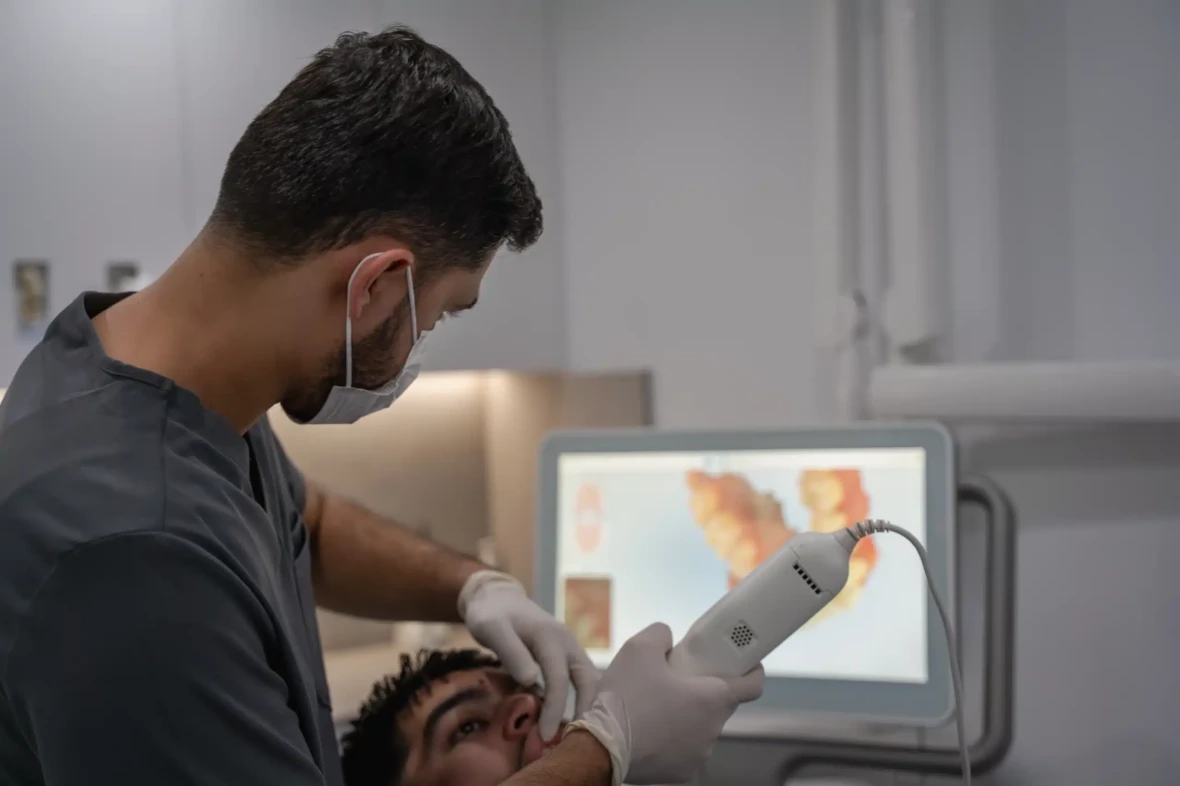
Your dentist checks your teeth, gums, bite and medical history, and uses X-rays and 3D imaging where needed to assess the bone, nearby nerves and sinuses.
02
If a tooth needs removing, gum disease needs treating or the bone needs building up, this is planned first. Some cases also need teeth aligned with Invisalign to create the right space.
03
Dental implant surgery is carried out under local anaesthetic. Tell us if you feel anxious so comfort options, including sedation dentistry, can be discussed.
04
The bone bonds to the implant over a few months. Your dentist can discuss a temporary tooth so you are not left with a visible gap.
05
An abutment and custom crown are fitted, and your bite is checked.
06
Regular check-ups and cleans help keep the implant and surrounding gum healthy.
Patient case
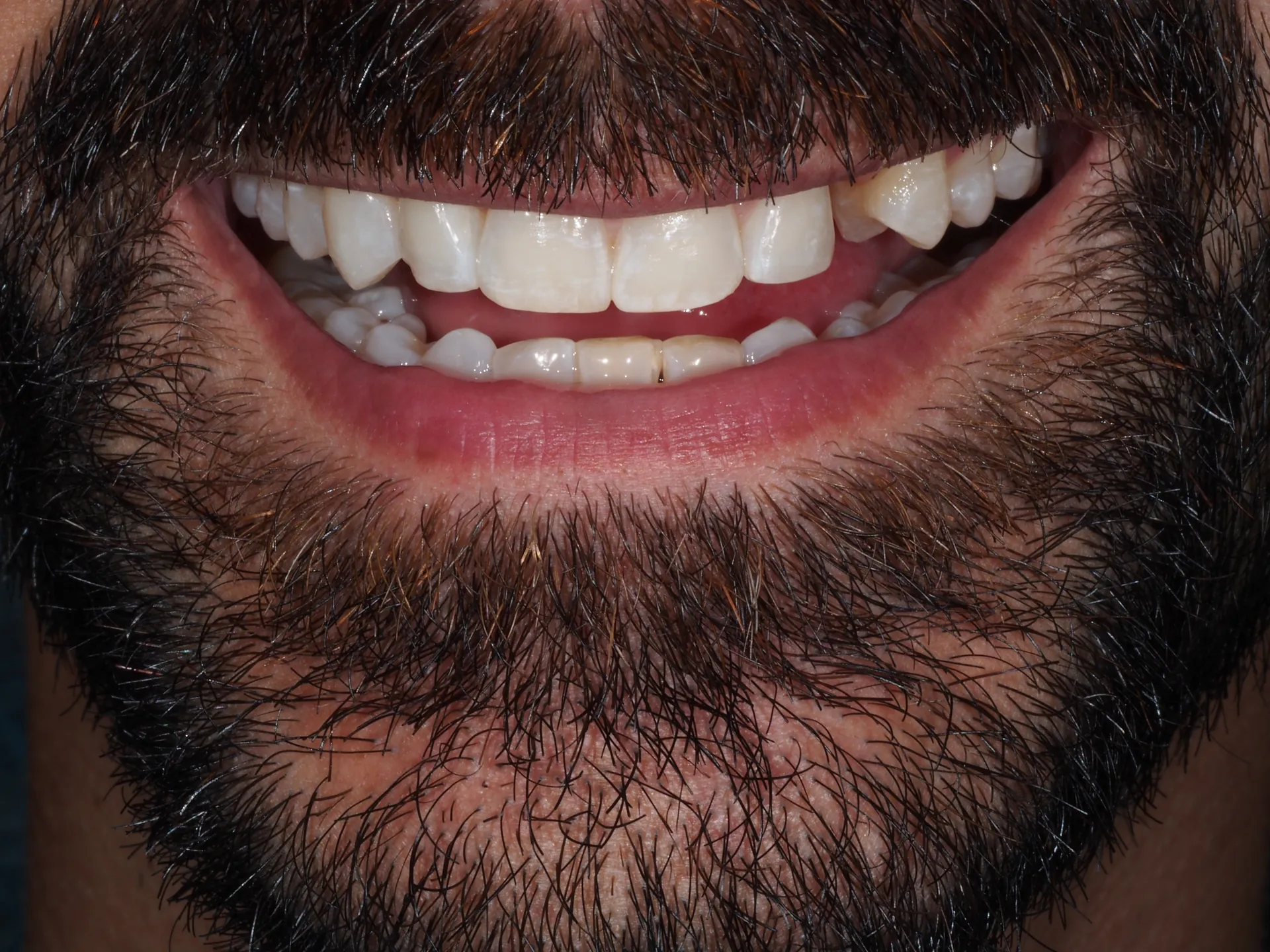
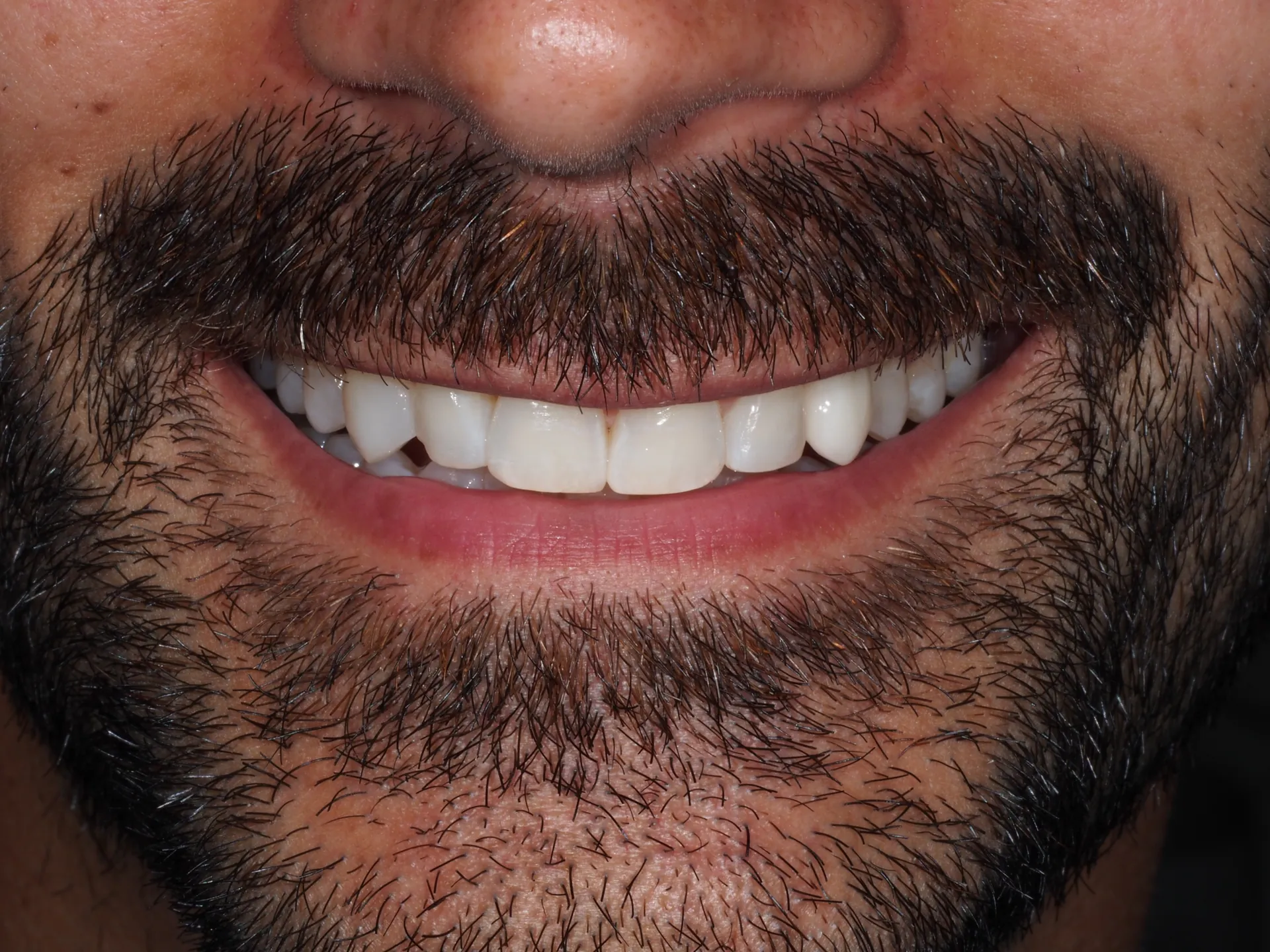
A real treatment from our practice, shared with the patient’s permission. Details are simplified and identifying information has been removed.
THE CONCERN
A professional from the Northern Beaches came to us missing his upper left eye tooth (canine). The adult tooth had never come through and a baby tooth had remained in its place, leaving a noticeable gap in his smile.
THE PLAN
An implant was recommended as the long-term replacement. First, the surrounding teeth needed to be moved into position so the implant crown would fit the space and sit in line with the rest of his smile.
TREATMENT
About 12 months of Invisalign to align the teeth and prepare the space. Teeth whitening. An implant placed in the gap, followed by a custom implant crown.
THE OUTCOME
His full set of teeth was restored, with the new tooth sitting in line with the teeth around it. Individual results vary. Treatment time and suitability depend on your assessment.
Individual results vary. Photographs show one patient’s treatment.
MISSING A TOOTH?
At our Sydney practice, we assess whether an implant suits you and explain the alternatives and likely visits before you decide. Treatment stages can be planned around work or study, and we can support you if you feel anxious about dental treatment.
COMPARE YOUR OPTIONS
Your dentist will check your bone, gums and the teeth either side before recommending one.
| Implant | Bridge | Denture | |
|---|---|---|---|
| Fixed in place | Yes | Yes | No, removable |
| Affects neighbouring teeth | No | Teeth either side are shaped | Clasps may rest on teeth |
| Replaces the root | Yes | No | No |
| Cleaning | Brush and clean between, like a tooth | Clean under the bridge | Remove and clean daily |
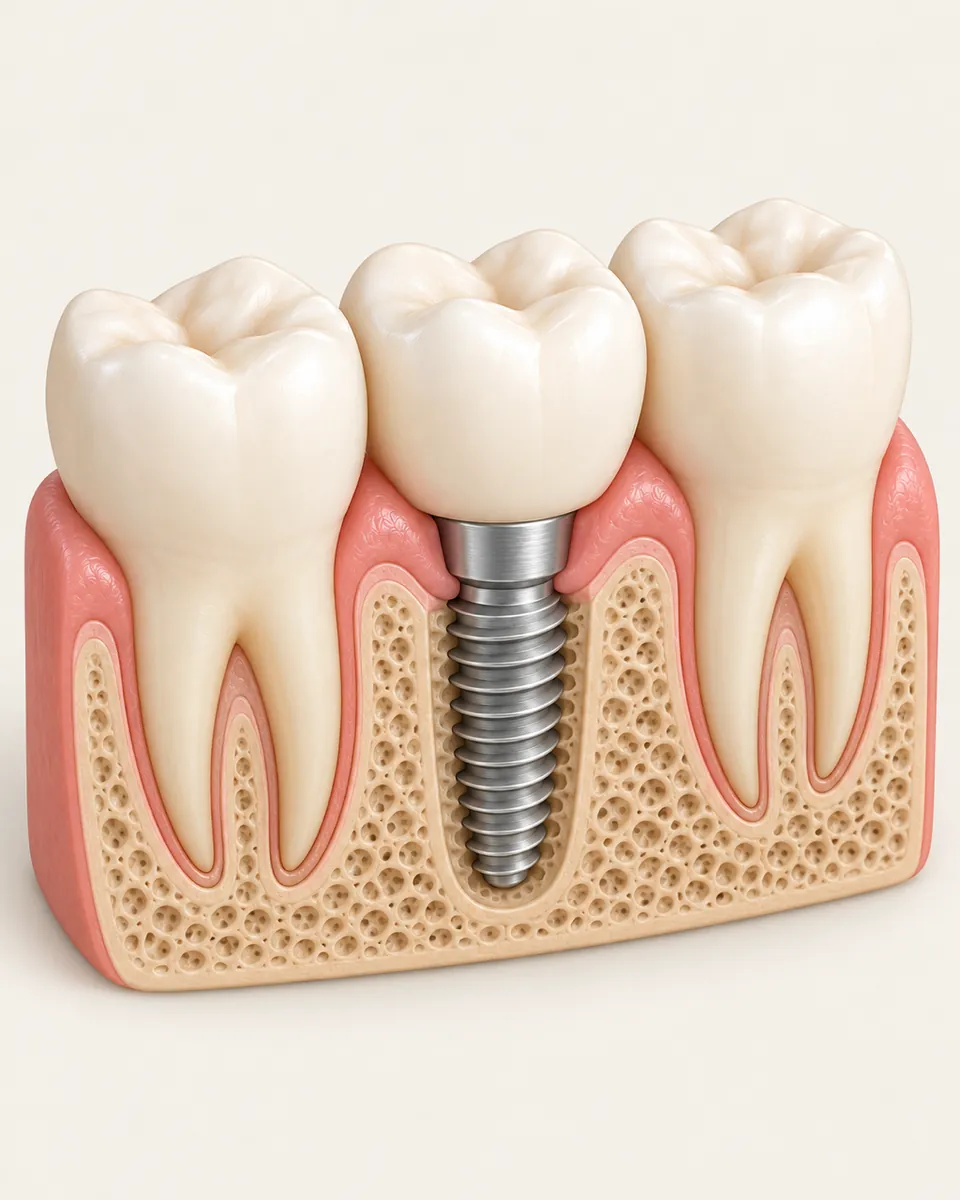
A post in the bone replaces the root, while a bridge and a denture sit above the gum.
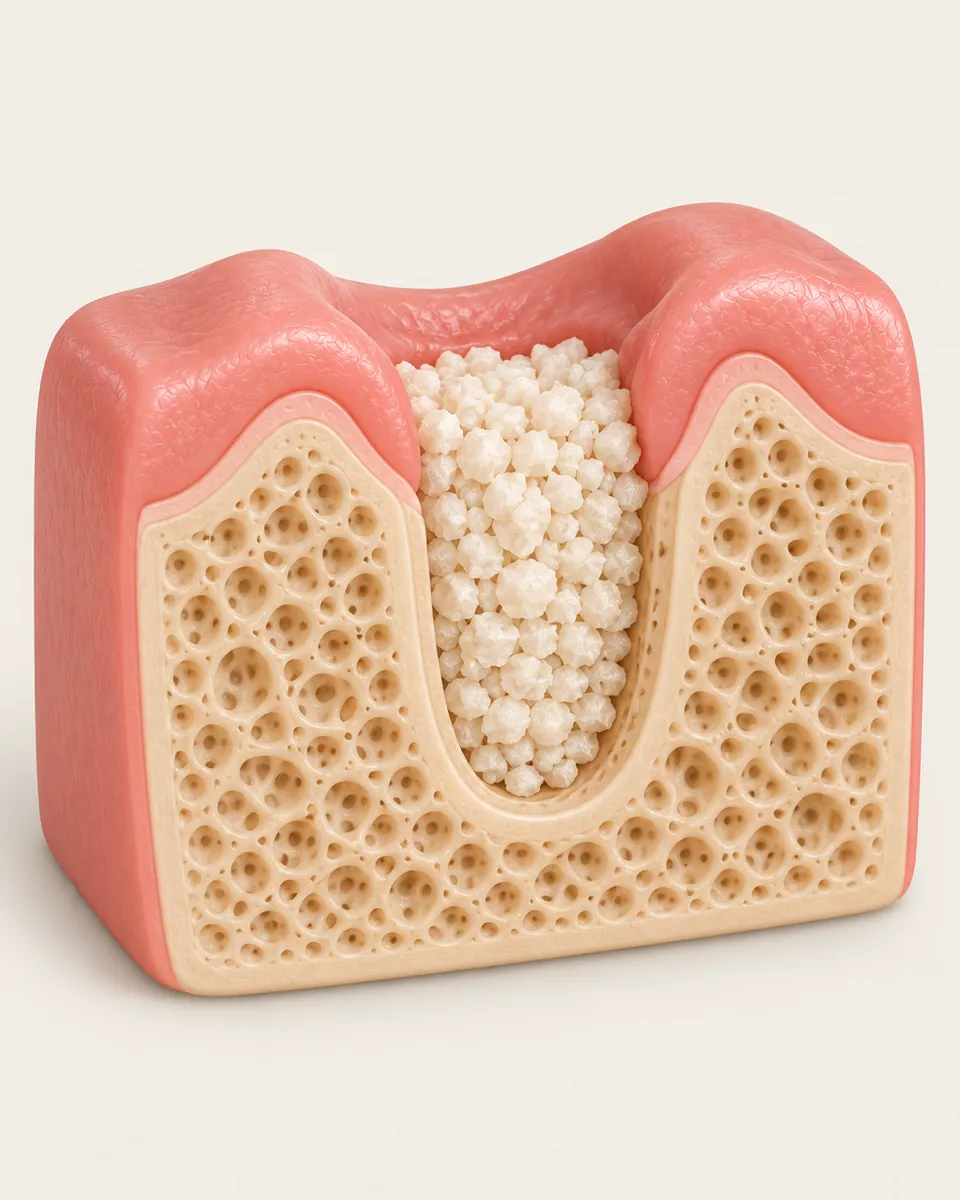
Bone can shrink after a tooth is lost. A bone graft can rebuild the area first, and more complex reconstruction may be referred to a specialist.
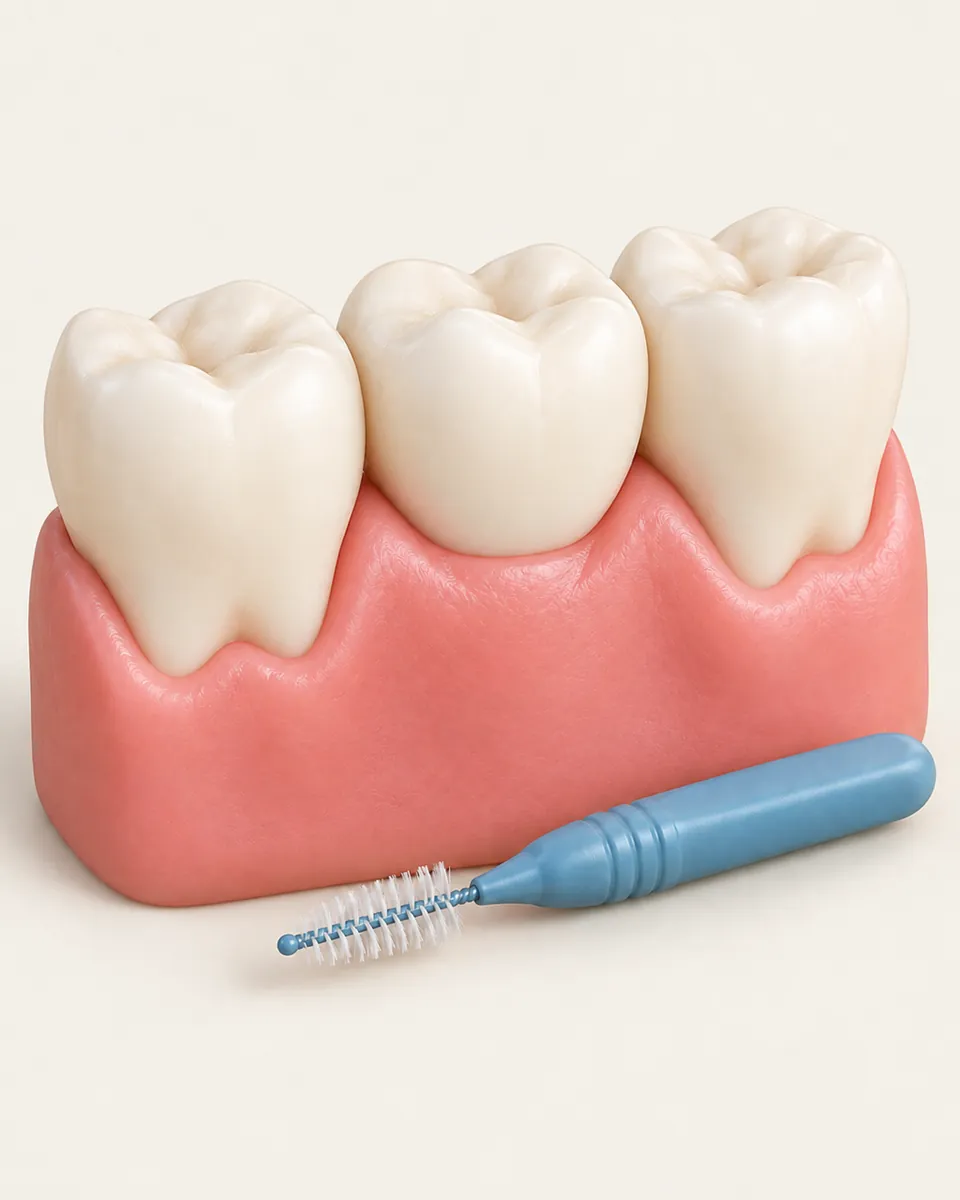
Clean around it daily, including between teeth, and keep your regular reviews.
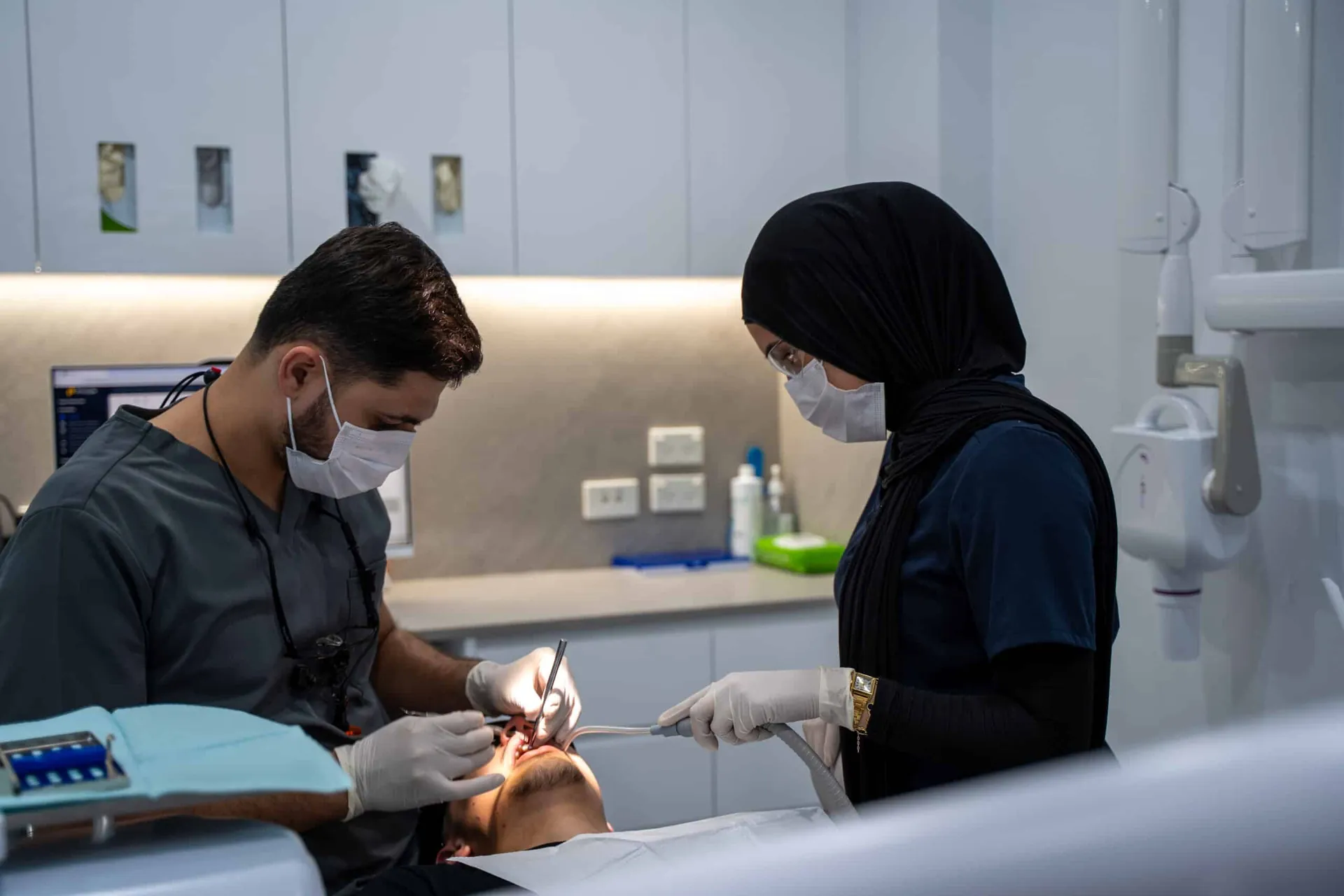
Plan with confidence
Good implant treatment starts with planning. The position of the implant, the amount of bone and the final tooth are considered together before any surgery is booked. After your assessment, you receive a written treatment plan that sets out the recommended stages, any preparation needed first and the alternatives you can consider.
Make an enquiryAfter your visit
Your dentist will give you instructions suited to your treatment.
Wait until numbness wears off before eating. Choose soft foods and chew on the other side until your dentist says the area has healed.
Some swelling and tenderness for a few days is common. Contact the clinic if pain or swelling increases, bleeding does not settle or the implant feels loose.
Keep the area clean, avoid smoking while you heal, and return for your crown and reviews. Long term, gum inflammation around an implant, called peri-implantitis, can damage the supporting bone, so regular check-ups matter.
A GOOD PLACE TO START
Bring your questions. We’ll explain your options, the timeline and whether an implant suits you.
Patient feedback
Recent reviews from our patients on Google.
Loading Google reviews connects to Trustindex and may load Google images, sharing connection information with those providers. Privacy details.
REAL PATIENT CASES
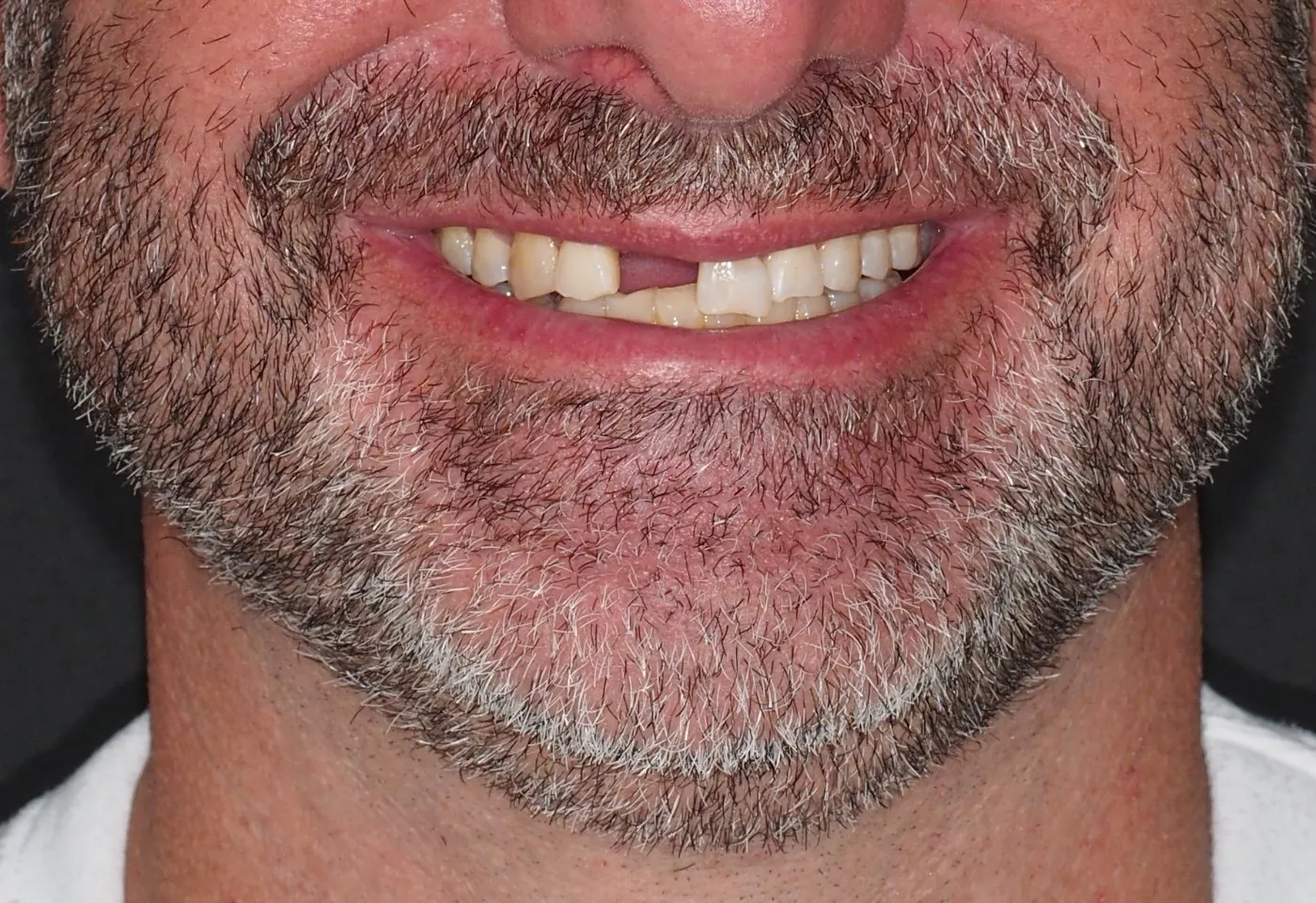 Before
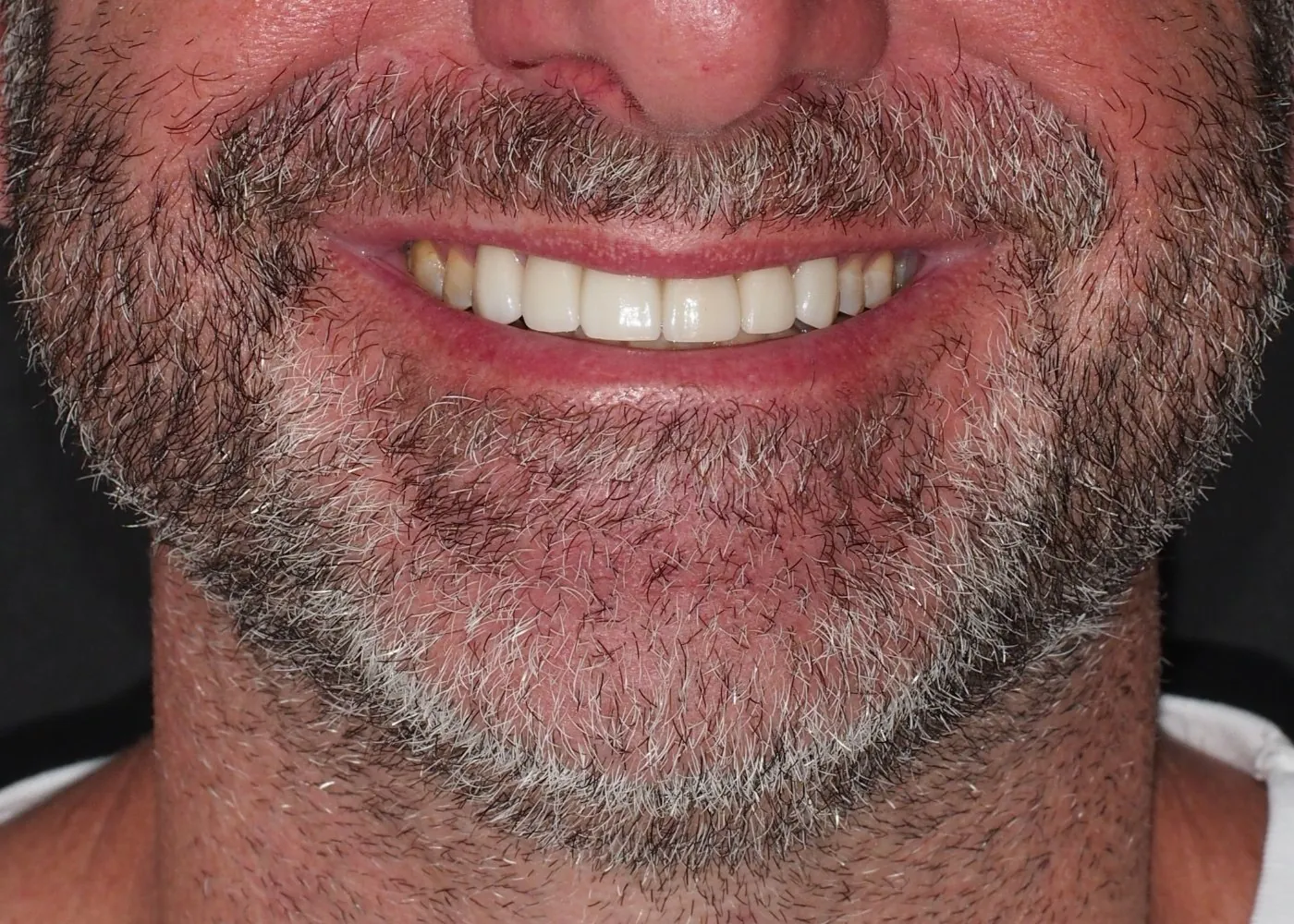 AfterImplant, crowns and Invisalign with sedationAn implant, crowns and Invisalign under IV sedation for a nervous patientAbout 12 months
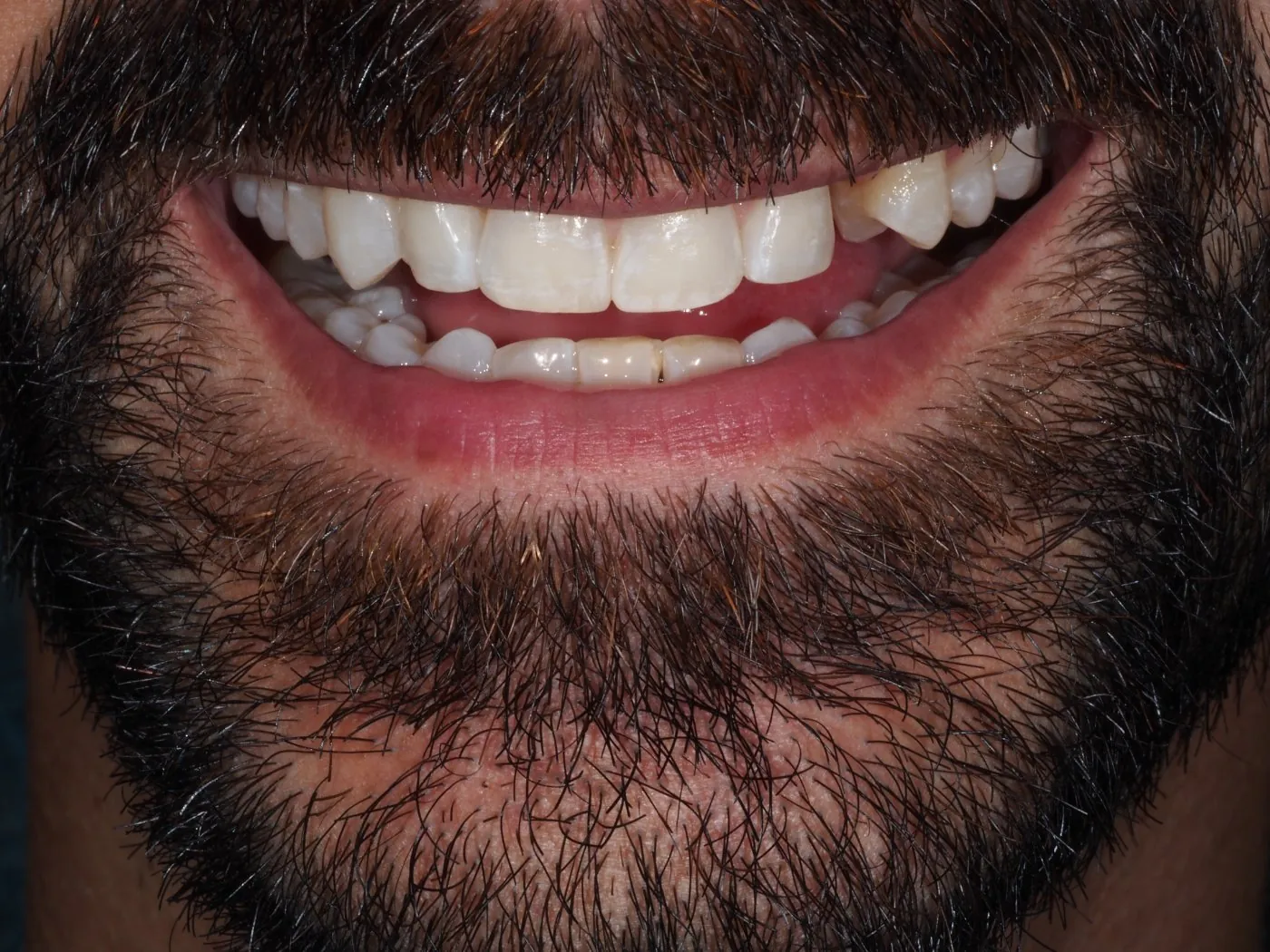 Before
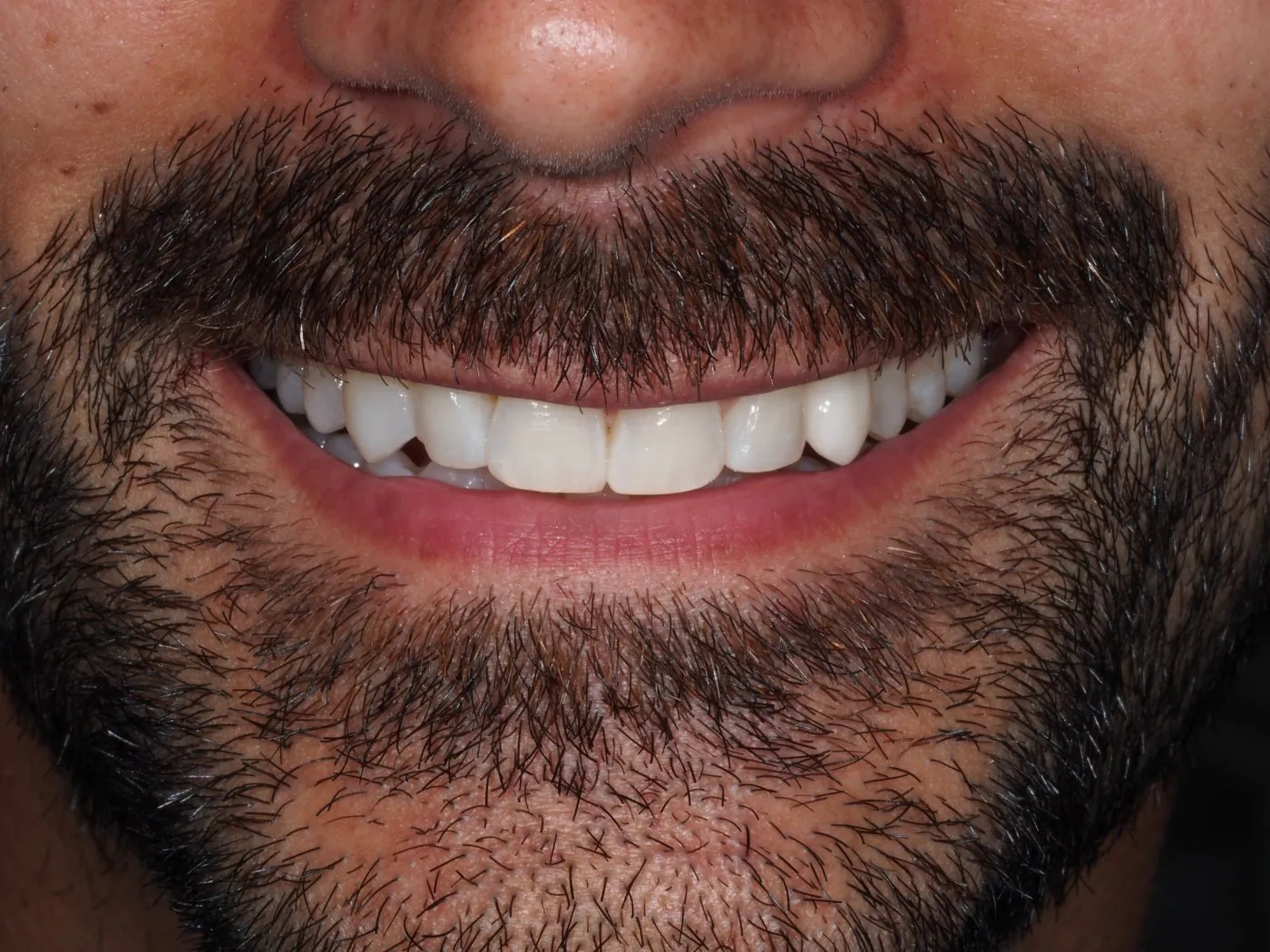 AfterInvisalign and an implant crownReplacing a missing eye tooth with Invisalign and an implantAbout 12 months
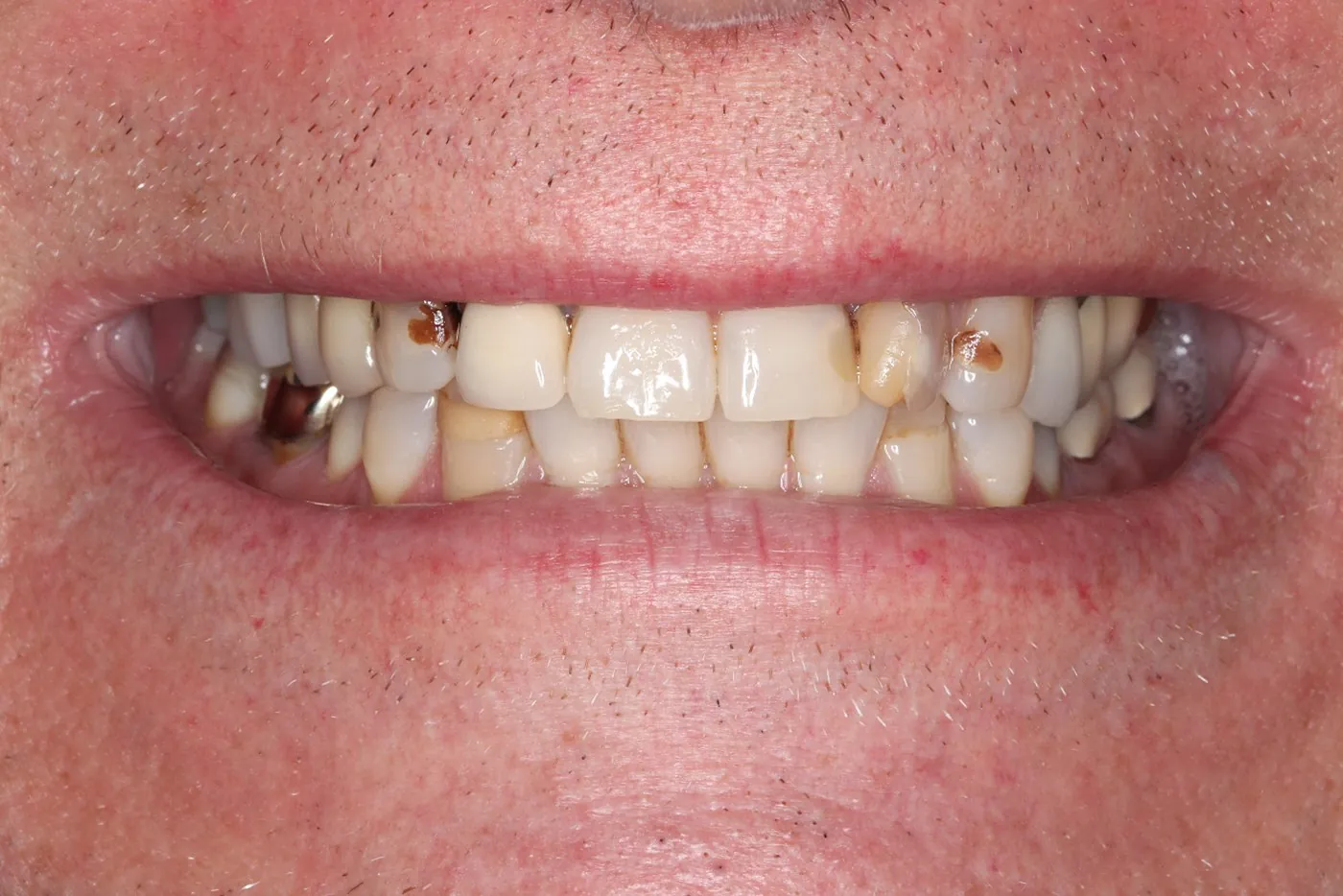 Before
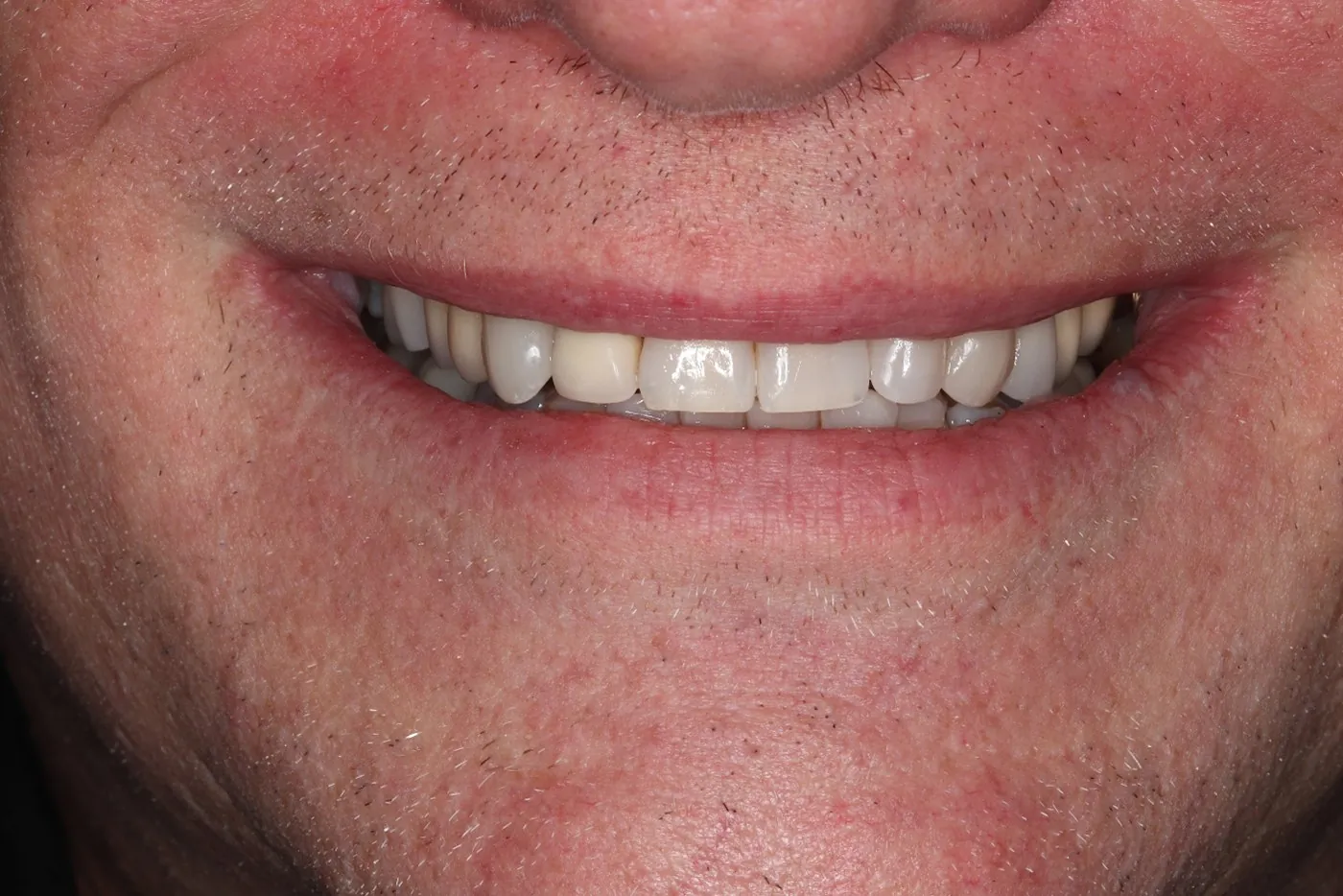 AfterSix crownsSix crowns to replace stained, 15-year-old dental workAbout 3 weeks
Photos of real Hayat Dental patients, published with consent. Individual results vary.
Your questions
Still unsure? Our team can talk it through with you.
Call 02 9030 0247The implant is placed under local anaesthetic, so you should feel pressure rather than pain during the procedure. Tenderness and swelling are common for a few days afterwards and are usually managed with pain relief your dentist recommends.
From placement to final crown, treatment commonly takes a few months while the implant heals into the bone. It can take longer if an extraction, bone grafting or tooth alignment is needed first. Your dentist will give you a timeline for your case.
Many adults with a missing tooth can be assessed. Healthy gums, enough jawbone and good general health help. Smoking, uncontrolled diabetes and active gum disease can affect healing, and some of these can be managed before treatment.
It does not always rule out an implant. Depending on the site, a bone graft or a different plan may be possible. Your dentist will review your imaging and explain the options, including when a referral is appropriate.
It depends on the cause and how much gum and bone remain. Gum problems are usually assessed and treated first, and your dentist will explain whether an implant is still suitable.
Age alone is not usually the deciding factor. Your general health, bone and ability to care for the implant matter more. Implants are generally not placed until the jaw has finished growing.
Not always. In Australia, specialist is a protected title for dentists registered in a specialty such as oral surgery or periodontics. Many implants are planned and placed by general dentists with further implant training. Our implant dentist, Dr Abhishek Aggarwal, is a general dentist with a Graduate Diploma in Dental Implantology and more than 15 years of dental experience. If your case needs specialist care, such as complex bone reconstruction, we will refer you.
Implants are an established treatment, but like any surgery they carry risks, including infection, swelling, nerve or sinus complications, and the implant not bonding to the bone. Your dentist will explain the risks that apply to you.
Neighbouring teeth can drift, the opposite tooth can move into the space and bone in the area can shrink over time. Alternatives to an implant include a conventional bridge or a removable partial denture.
With good oral hygiene and regular reviews, implants can last many years. The crown may need replacing over time through normal wear. Smoking, gum disease and heavy grinding can shorten an implant’s life.
Start with soft foods and chew on the other side until your dentist says the area has healed. Your usual diet returns in stages, and the timing depends on your treatment.
Brush twice a day, clean between your teeth daily and keep your regular check-ups and cleans. Your dentist may suggest specific cleaning aids.
Explore related care
Compare implants with the alternatives before you decide.
MAKE AN ENQUIRY
Send an enquiry and our team will contact you. To book an appointment, use our online booking portal. For urgent availability, please call the clinic.