
Increasing Tooth Pain and Sensitivity
How an Untreated Infection Causes Worsening Pain
When a tooth infection is left untreated, bacteria can spread deeper into the pulp and surrounding areas. This can cause inflammation, pressure, and ongoing pain. What may begin as mild discomfort can turn into a sharp, throbbing, or constant toothache.
Pain may become worse while chewing, biting, or drinking hot and cold beverages. In some cases, the pain may come and go at first, making it easy to ignore. However, temporary relief does not always mean the infection has healed. It may simply mean the nerve inside the tooth has become more damaged.
Impact on Daily Life
Tooth pain and sensitivity can quickly affect your normal routine. Eating may become uncomfortable, sleep may be interrupted, and focusing at work or during daily tasks can become harder. Hot drinks, cold water, sweet foods, or pressure from chewing may trigger sudden discomfort.
These symptoms are often a warning that the infection is progressing. Delaying root canal treatment at this stage can make the condition harder to manage and may increase the chance of needing more complex dental care later.
Tooth pain that will not settle?
Book an assessment at Hayat Dental Broadway. The earlier we look at an infected tooth, the better the chance of saving it.
Spreading Infection and Abscess Formation
Risk of Infection Spreading to Surrounding Areas
An untreated tooth infection can spread beyond the inner part of the tooth. Bacteria may move into the surrounding gums, nearby teeth, and jawbone. This can lead to swelling, tenderness, bad taste in the mouth, and discomfort around the affected area.
As the infection spreads, the problem becomes more serious than a simple toothache. The surrounding tissues can become inflamed, and the tooth may feel loose or painful when pressure is applied. Early treatment helps reduce this risk and gives the dentist in Sydney a better chance of saving the natural tooth.
Formation of a Dental Abscess
A dental abscess is a pocket of pus that forms because of infection. It can develop near the root of the tooth or in the gum area. An abscess can cause severe pain, facial swelling, fever, a bad taste in the mouth, and difficulty chewing.
A tooth abscess should not be ignored. It will not heal properly without dental care, and in some cases, the infection can spread further. If you notice swelling in your face or jaw, severe pain, fever, or difficulty opening your mouth, you should seek urgent dental advice.
Risk of Tooth Loss
Irreversible Damage from Delayed Treatment
The longer an infected tooth is left untreated, the more damage it can cause inside the tooth structure. Once the pulp becomes severely infected or dies, the tooth becomes weaker and more vulnerable to further breakdown.
Root canal treatment is often recommended to remove the infected pulp and preserve the tooth. If the infection progresses too far, the tooth may no longer be suitable for saving. In that case, extraction may become the only option.
Consequences of Losing a Tooth
Losing a natural tooth can affect more than your smile. It may make chewing harder, change the way you speak, and place extra pressure on nearby teeth. Over time, the surrounding teeth may also shift into the space, which can affect your bite and make future dental treatment more involved.
Tooth replacement options such as dental implants, bridges, or dentures can restore function, but they are usually more costly and complex than treating the tooth early. Saving the natural tooth through timely root canal treatment is often the better long-term option when the tooth can still be restored.
Jawbone Deterioration and Facial Structure Changes
How Infection and Tooth Loss Can Affect the Jawbone
When a dental infection spreads around the root of a tooth, it can affect the surrounding bone and supporting tissues. If the tooth is eventually removed, the jawbone in that area may also begin to lose stimulation over time.
Natural teeth help maintain jawbone strength through normal chewing pressure. Once a tooth is missing, the bone in that area may gradually shrink. This can affect the stability of nearby teeth and may make future tooth replacement more difficult.
Changes in Facial Appearance
Tooth loss and jawbone changes can gradually affect facial balance. If several teeth are lost or bone loss becomes advanced, the cheeks may appear less supported and the jawline may lose some of its natural shape.
These changes usually happen slowly, but they show why early dental care matters. Treating an infected tooth before it reaches the extraction stage can help protect both oral function and facial structure.
Potential Health Complications
How Oral Infection Can Affect General Health
A tooth infection does not always stay limited to the tooth. In some cases, bacteria can spread into surrounding tissues and cause more serious complications. This is why persistent tooth pain, swelling, fever, or facial tenderness should not be ignored.
Most dental infections can be treated effectively when they are addressed early. However, delaying care increases the risk of the infection becoming more difficult to control. If symptoms are worsening, it is safer to book a dental examination rather than waiting for the pain to settle on its own.
When an Infection Becomes Urgent
Some symptoms may suggest that the infection needs urgent attention. These include swelling in the face or jaw, fever, difficulty swallowing, difficulty breathing, severe pain, or swelling that spreads quickly.
In rare but serious cases, untreated dental infections can spread beyond the mouth and require urgent medical care. If you experience breathing difficulty, severe facial swelling, or feel seriously unwell, seek immediate medical help.
Increased Treatment Complexity and Costs
How Delays Make Treatment More Difficult
When root canal treatment is done early enough, the dentist has a better chance of removing the infection and saving the tooth. However, when treatment is delayed, the infection may spread into more areas of the tooth or surrounding bone.
This can make the procedure more complex. The tooth may need additional appointments, further imaging, medication, or more advanced treatment. In some cases, the tooth may become too weak to be restored properly.
Financial Impact of Avoiding Care
Avoiding root canal treatment may seem like a way to save money in the short term, but it can lead to higher costs later. Once the tooth can no longer be saved, extraction and replacement may be required.
Tooth replacement options such as dental implants, bridges, or dentures often involve more time, planning, and expense. Treating the infection earlier can help reduce the chance of needing these more involved procedures.
Emotional and Quality of Life Impact
Pain and Discomfort Can Affect Well-Being
Living with dental pain can affect your mood, sleep, energy, and confidence. Constant discomfort can make it harder to eat properly, speak comfortably, and enjoy daily activities.
Dental pain can also cause stress, especially when the symptoms keep returning or become unpredictable. Getting treatment early can help relieve discomfort and restore a sense of control over your oral health.
Delaying Care Can Increase Dental Anxiety
Many people avoid root canal treatment because they feel nervous about the procedure. However, waiting often makes the experience more stressful. As symptoms become more severe, patients may start associating dental visits with pain and worry.
Early treatment can help break this cycle. Modern dental care focuses on comfort, diagnosis, and preserving the tooth where possible. Speaking to a dentist early can also give you a clear understanding of your options before the problem becomes more serious.
Conclusion
Root canal treatment is more than a way to relieve tooth pain. It is an important procedure that can help preserve your natural tooth, control infection, and prevent more serious oral health problems. Avoiding treatment can lead to worsening pain, abscess formation, tooth loss, jawbone changes, and higher treatment costs. In some cases, an untreated infection can also affect your general health. Taking action early gives your dentist the best chance of saving the tooth and helping you avoid more complex care. If you have ongoing tooth pain, sensitivity, swelling, or discomfort when chewing, do not wait for the problem to become worse. Visit Hayat Dental for a professional examination and personalised care. Our experienced team can assess the issue, explain your treatment options, and help restore your oral health with the right approach.
Book root canal treatment in Sydney at Hayat Dental Broadway, or call (02) 9030 0247 .



Written by the Hayat Dental team
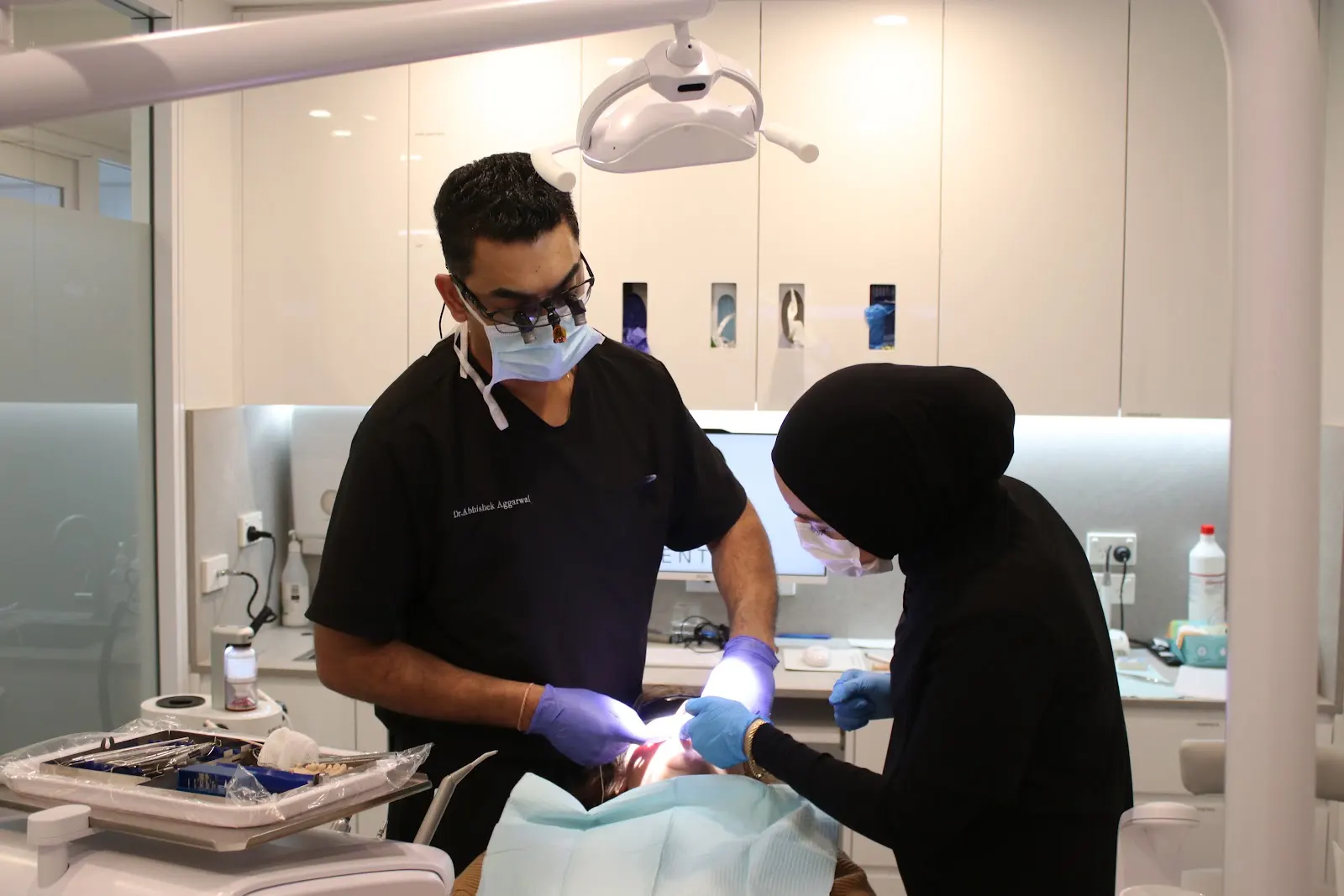
Dr Abhishek Aggarwal, Dr Joanne McGilp and Masi Hashimi care for patients at our Broadway clinic in Chippendale.
Meet the teamThis article is general information only and is not a substitute for a dental assessment. If you have pain or swelling, call the clinic.