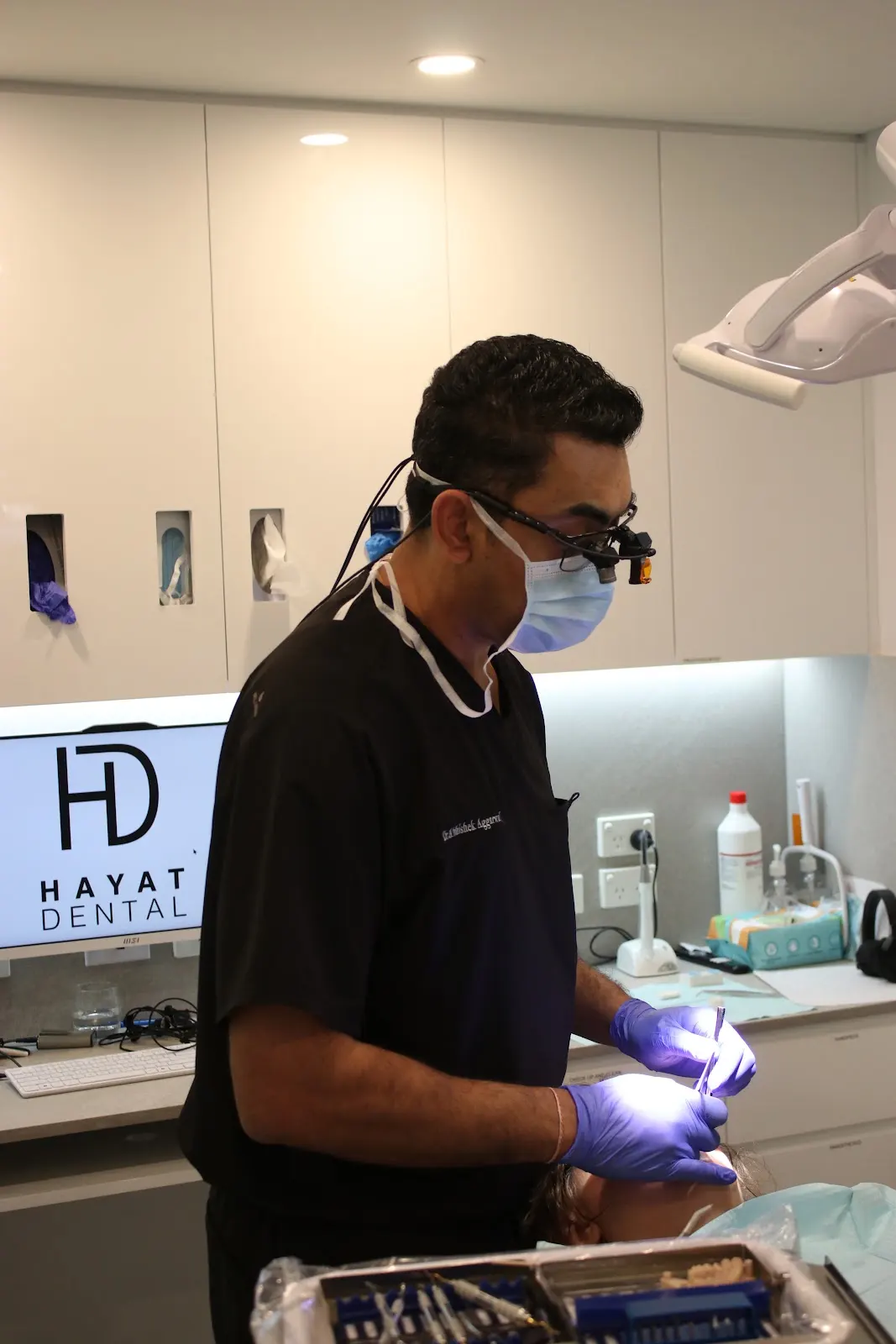

Choosing the right foods can help decrease pain, reduce swelling, and lower the chances of infection. On the other hand, poor food choices may slow down healing or result in complications. Whether you have recently undergone wisdom tooth extraction or are preparing for the procedure, this guide will help you understand the best foods to eat and which ones to avoid. Following these tips will pave the way for a safer, smoother recovery.
Transform Your Smile Today
Don’t wait any longer to achieve the smile you’ve always wanted. Book your consultation today at Hayat Dental and start your journey to a healthier, more confident smile!
Why Is Diet Important After Wisdom Tooth Removal?
After wisdom tooth surgery, your mouth needs time to heal properly. The site where the tooth was removed forms a blood clot that protects the underlying bone and nerves. This clot is essential to healing because it acts as a natural barrier.
Eating the wrong foods can dislodge or irritate this clot, leading to a painful complication known as dry socket, a condition that delays healing and increases discomfort. For this reason, it is essential to follow a soft and gentle diet during the initial days after your extraction.
Moreover, a balanced diet rich in nutrients supports your body’s natural healing processes. Consuming foods that reduce inflammation and boost your immune system provides energy and essential building blocks for tissue repair.
Recommended Foods After Wisdom Tooth Extraction
Here are some of the best foods to eat after your wisdom tooth has been removed. These options are soft, easy to chew, and packed with nutrients necessary for recovery:
Smoothies and Shakes
Smoothies are ideal after extraction because they are smooth, require no chewing, and can be nutrient-dense. Blend fresh fruits such as bananas, mangoes, or berries with yoghurt or milk to create a creamy texture. Adding protein powder can help supplement your nutritional intake during recovery.
Mashed Potatoes
Mashed potatoes are soft, comforting, and easy to swallow. They contain essential vitamins and carbohydrates that provide energy. Be sure to serve them warm but not hot, as hot foods can irritate the healing tissues.
Soups and Broths
Lukewarm or room temperature soups and broths are excellent choices because they provide hydration and vital nutrients without needing chewing. Opt for soups such as tomato, pumpkin, or vegetable. Chicken or vegetable broths are also nourishing and gentle for your recovering mouth.
Yoghurt
Plain or Greek yoghurt is smooth, high in protein, and rich in probiotics, which may support both oral and gut health. This creamy food requires no chewing and helps reduce inflammation in the mouth.
Scrambled Eggs
Eggs are soft, rich in high-quality protein, and easy to digest. Scrambled eggs, in particular, are gentle on sore gums and supply important nutrients such as vitamin D and iron that support healing.
Applesauce
Applesauce offers vitamins and fibre while requiring no chewing. Choosing plain varieties without added sugars helps minimise irritation.
Oatmeal and Cream of Wheat
As you start feeling better, you can introduce soft cereals like oatmeal or cream of wheat. Cook these until they are mushy, and let them cool to room temperature before eating to ensure they do not irritate your mouth.
Foods to Avoid After Wisdom Tooth Extraction
During the initial healing period, it is important to avoid certain foods that can cause irritation, disrupt healing, or increase infection risk. Avoid the following until your dentist advises that you can return to your regular diet:
Crunchy and Hard Foods
Foods like chips, nuts, popcorn, and crackers are not recommended. They can become lodged in the extraction site or interfere with the protective blood clot, causing pain and swelling.
Spicy Foods
Spices can irritate healing tissues and cause burning sensations in your mouth. Avoid chilli, hot sauces, and spicy curries until your mouth has fully healed.
Acidic Foods
Citrus fruits such as oranges, lemons, and tomatoes are acidic and may cause stinging or slow the healing process. It is best to avoid these foods during the first week post-surgery.
Sticky Foods
Sticky foods like caramel, toffee, and chewing gum tend to adhere to the surgical area, making them difficult to clean properly. They may also disturb the blood clot, hindering the healing process.
Crunchy Bread or Toast
Crusty breads require significant chewing effort and can scrape or irritate the surgical site. Stick to soft bread or avoid bread altogether during early recovery.
Hot Drinks
Hot coffee, tea, or soups can dissolve the blood clot and lead to dry socket. Choose cold or lukewarm drinks until your mouth feels comfortable.
Conclusion
Following a soft, nutrient-rich diet after wisdom tooth removal is key to a smooth and comfortable recovery. Avoid foods that may irritate the surgical site or threaten the healing blood clot. Alongside your dietary care, follow your dentist’s advice meticulously.
At Hayat Dental, we understand the importance of a comfortable healing process. Our skilled dental team provides expert wisdom tooth removal and detailed aftercare instructions to help you recover safely and painlessly.
Book your appointment today at Hayat Dental for professional treatment and caring support. Your oral health deserves the very best!
Book wisdom tooth removal in Sydney at Hayat Dental Broadway, or call (02) 9030 0247 .



Written by the Hayat Dental team
Dr Abhishek Aggarwal, Dr Joanne McGilp and Masi Hashimi care for patients at our Broadway clinic in Chippendale.
Meet the teamThis article is general information only and is not a substitute for a dental assessment. If you have pain or swelling, call the clinic.