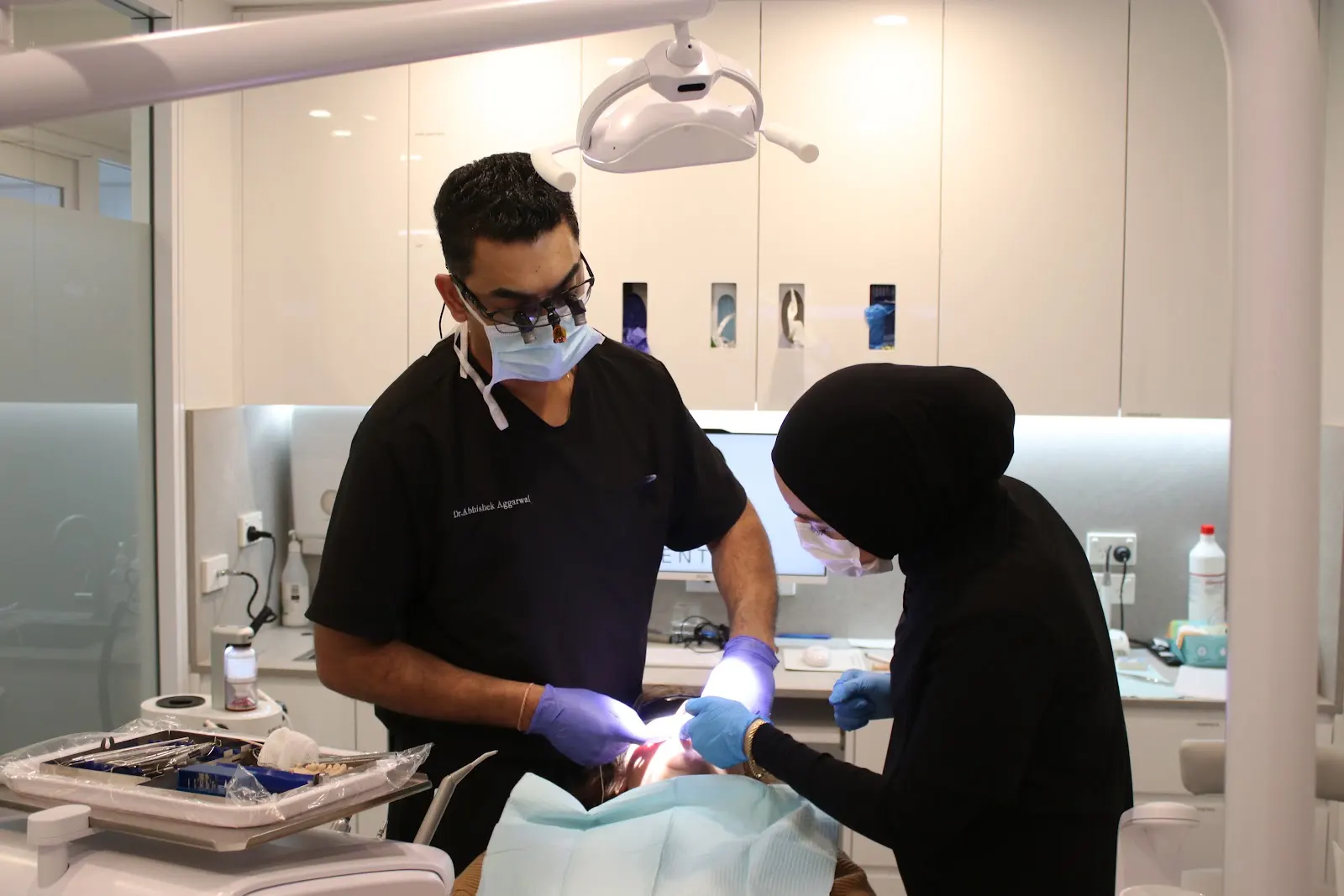

At Hayat Dental, we help patients identify these issues early and provide effective tooth infection treatment before complications worsen. Recognising the signs you need a root canal and seeking timely professional care can prevent extractions, costly treatments, and long-term damage.
Transform Your Smile Today
Don’t wait any longer to achieve the smile you’ve always wanted. Book your consultation today at Hayat Dental and start your journey to a healthier, more confident smile!
What is a Root Canal?
A Brief Explanation of the Procedure
A root canalis a dental procedure that is done to extract decayed or damaged pulp found within a tooth. Pulp, composed of nerves and blood vessels, makes the tooth alive. In case it gets infected, the process gets rid of it by cleaning and disinfecting the tooth with proper tooth infection treatment and also sealing it to avoid further complications.
Why It Becomes Necessary
A root canal is required in case the pulp of the tooth gets exposed to bacteria by means of decay, cracks or an injury that results in the infection or inflammation in the pulp. In case of lack of treatment, the disease can spread and cause extreme pain, weakening of the tooth and may result in a complete loss of the tooth.
Signs of a Potential Root Canal Issue
Severe Tooth Pain When Chewing or Touching the Tooth
Perpetual pain upon the act of chewing or encountering a tooth may be determined to be a symptom of pulp infection. This pain is constant, unlike that which comes and goes and increases with time. Root canal is another sign that may be exhibited by such relentless pain that you need to treat and restore.
Sensitivity to Hot or Cold Temperatures
Lingering sensitivity after consuming hot or cold foods suggests pulp damage inside the tooth. Unlike brief sensitivity from enamel wear, this discomfort lasts longer, signalling infection. Recognising this symptom early helps prevent the need for more complex tooth infection treatment later.
Swollen or Tender Gums Near the Affected Tooth
The gums around a tooth are either swollen or tender, which could be an indication of infection spreading outside the pulp. Abscesses or gum pimples could develop in certain situations, and they release pus. It is a typical, perhaps a warning indicator that a root canal is extremely needed.
Darkening or Discolouration of the Tooth
Tooth discolouration, especially when a single tooth turns grey or dark compared to others, indicates a dying pulp. This occurs due to nerve damage or infection inside the tooth. Such colour changes should be treated as serious root canal symptoms requiring professional care.
Why Ignoring the Signs Can Be Dangerous
Risk of Infection Spreading
Ignorance about the early root canal symptoms allows the tooth interior infection to spread into the surrounding gums/jawbone and even into other teeth. The untreated bacteria can lead to abscesses or bone destruction and transform a local complication into a systemically manifested problem necessitating the need for tooth infection treatment and more complicated dental treatments.
Possibility of Needing an Extraction
Ignoring the signs you need a root canal can lead to severe decay or structural damage, making the tooth unsalvageable. In such cases, extraction may be necessary. Losing a natural tooth creates long-term problems for chewing, appearance, and alignment, and often demands costly replacements such as implants or bridges.
Increased Cost and Complexity of Treatment
The complication of dental care is often amplified by delaying the tooth infections treatment. The management of such issues would have been done without a simple root canal, but this problem would have escalated further to necessitate surgery or even replacement of the tooth. Early intervention in dental pain causes prevents the loss of money through the costly and time-consuming processes and safeguards oral health in the long term against the exacerbation of complications.
When to See a Dentist
Importance of Timely Dental Visits
Recognising root canal symptoms early is vital for protecting your oral health. Persistent pain, swelling, or discolouration should never be ignored. Knowing when to see a dentist for a root canal ensures prompt care, preventing infection from worsening and reducing the risk of tooth loss.
What to Expect During a Dental Exam
When you are trying to have your tooth examined by a dentist, the latter checks and takes X-rays of your tooth to determine the source of pain. They determine whether the problem is an infection of the pulp or some other issue. Early diagnosis of dental pain causes allows for effective treatment and helps avoid advanced tooth infection treatment.
What Happens During a Root Canal Procedure
Step-by-Step Overview
A root canal begins with numbing the area to ensure comfort. The dentist will then proceed to cut the infected pulp and then cleanse the canals completely and seal them with a protective gel. The process is also an in-depth treatment of infection, which corrects the severe dental pain causes and avoids the occurrence of future complications, which may demand more invasive tooth infection treatment.
Book root canal treatment in Sydney at Hayat Dental Broadway, or call (02) 9030 0247 .
Aftercare and Recovery
Following a root canal, mild sensitivity is common but usually temporary. Dentists often recommend a crown to restore strength and function. With proper oral hygiene and regular check-ups, the treated tooth can last many years, showing that timely tooth infection treatment is highly effective in preventing recurring root canal symptoms.
Prevention Tips to Avoid Needing a Root Canal
Practising Good Oral Hygiene
Brushing twice daily, flossing, and using mouthwash help prevent decay that leads to pulp damage. Consistent hygiene reduces common dental pain causes and lowers the risk of requiring advanced tooth infection treatment like a root canal.
Regular Dental Checkups and Cleanings
Routine dental visits allow early detection of cavities, gum disease, and potential root canal symptoms. Professional cleanings prevent buildup and infection, ensuring minor problems are treated quickly before they develop into serious conditions requiring tooth infection treatment.
Dealing with Cavities Promptly
Small cavities can quickly progress to pulp infections if left untreated. Addressing decay early prevents severe dental pain causes. Timely fillings reduce the risk of root canal treatment, preserving natural teeth and avoiding costly tooth infection treatment later.



Written by the Hayat Dental team
Dr Abhishek Aggarwal, Dr Joanne McGilp and Masi Hashimi care for patients at our Broadway clinic in Chippendale.
Meet the teamThis article is general information only and is not a substitute for a dental assessment. If you have pain or swelling, call the clinic.