Three causes of tooth wear
Three processes remove tooth surface, and they often occur together.
Mechanical wear comes from tooth contacting tooth. Grinding and clenching are the usual causes, and both often happen during sleep, so many people do not realise they are doing it.
Chemical wear comes from acid softening the enamel before it is worn away, whether from diet, reflux or some medications.
Abrasive wear comes from brushing technique and abrasive products. A firm brush, heavy pressure or a harsh toothpaste can remove softened enamel faster, which is why it tends to add to the other two.
Which of these is driving your wear cannot be worked out from how the teeth look. Two people with similar-looking front teeth can have different causes and need different treatment.
Why worn teeth leave no room
When front teeth wear down, they often do not stay where they were. The worn teeth, or the teeth biting against them, can gradually erupt further to keep contact, and the bone and gum often move with them.
So the teeth are shorter, but the space between them has closed. There is often little or no gap to restore into. Material added in that situation either does not fit or takes the full force of the bite from day one.
This can also explain why teeth look short while the gum line looks uneven at the same time. Both can come from the same movement.
Three ways to make space
Orthodontic movement repositions teeth that have over-erupted. It creates room, and where tipping or an uneven bite is contributing to the wear, it can address that at the same time.
Crown lengthening reshapes gum and bone to expose more tooth. It is often considered where little tooth structure remains above the gum, and it depends on enough root staying in bone afterwards.
Increasing the bite height opens space across the arch and is often combined with one of the other two approaches.
Which option applies depends on measurements taken at your assessment rather than on preference.
When wear does not need treatment
Some wear is normal for age, and not all of it needs treating.
A European consensus statement on severe tooth wear starts by asking whether the wear is normal or damaging for the individual. It recommends diagnosis, prevention, advice and monitoring to understand the cause and how fast the wear is progressing. It also notes that restorative treatment is typically best delayed as long as possible, and that a conservative approach is preferred when it is needed.
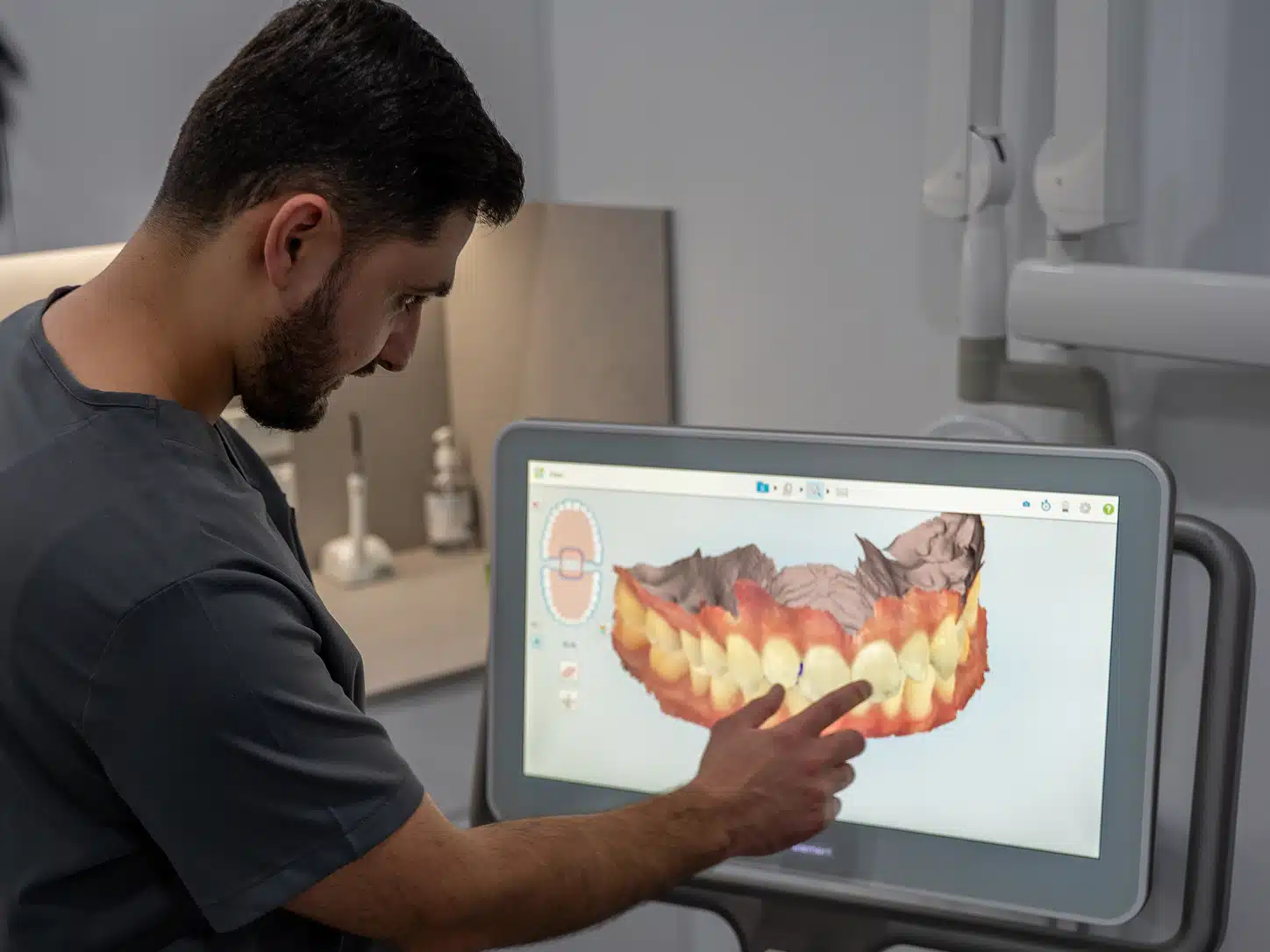
Monitoring properly means measuring rather than guessing. Photographs, models or digital scans taken at intervals show whether anything is actually changing, which a single appointment cannot.
This is also why the cause comes before repair. As with repeated dental repairs, restorations placed into an uncontrolled process face the same forces or the same acid that removed the enamel.
Patient case
Bite balanced without restoring the worn teeth
An adult patient was concerned that their front teeth were becoming visibly thinner. The assessment found the bite was concentrating force on the front teeth, where the wear was happening.
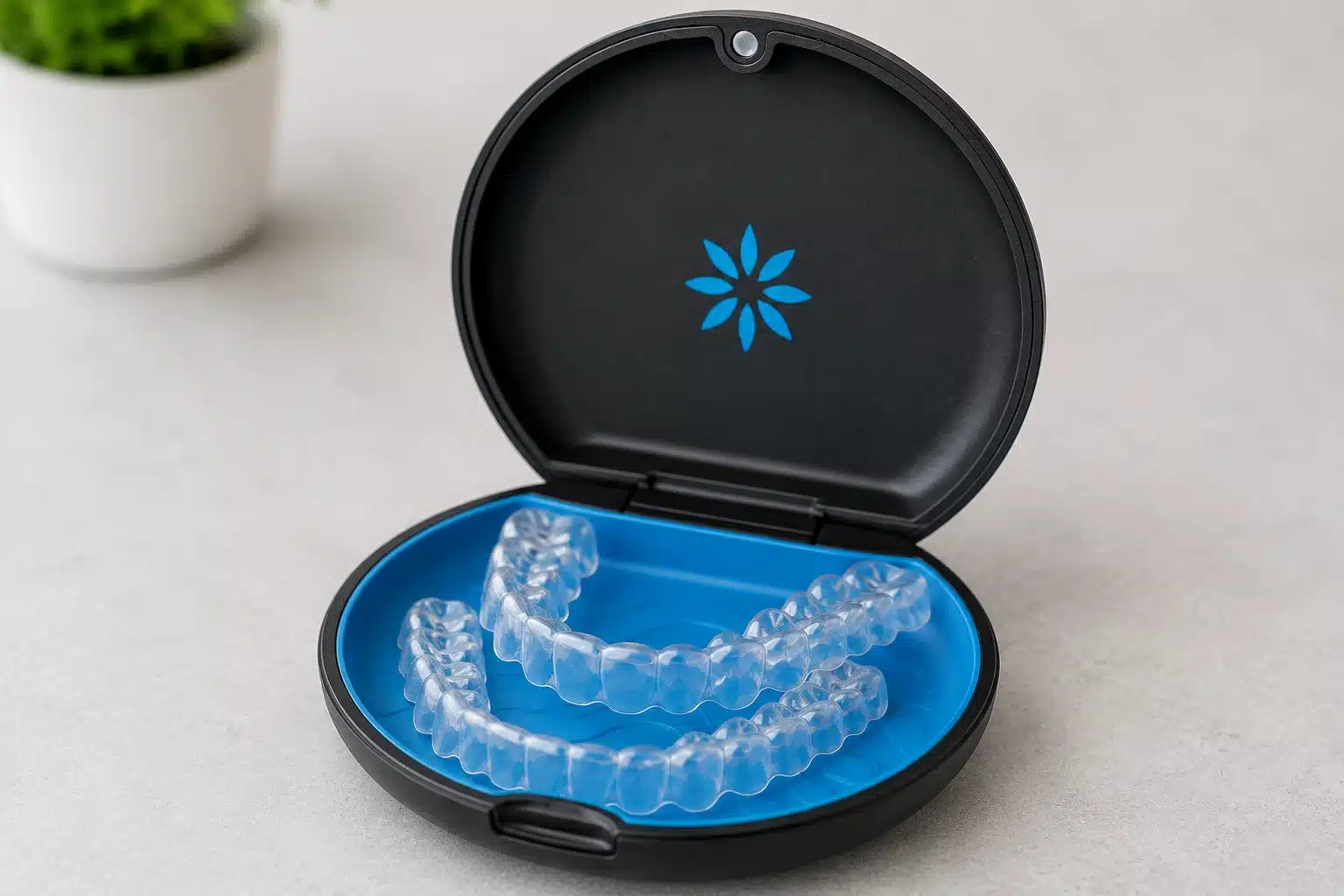
Dr Abhishek Aggarwal treated the bite rather than restoring the worn teeth. Clear aligner treatment over roughly nine to ten months, across about ten appointments, improved how the teeth met and spread the load more evenly. A removable night-time retainer and a fixed retainer were fitted at the end.
The bite was improved without placing restorations on the front teeth, and the wear is reviewed at regular visits.
Individual results vary. This describes one patient, not an expected outcome. General information only, and not a substitute for a clinical assessment.
What decides the treatment order
The order is set by measurements rather than preference, and a few findings push it one way or the other.
How much tooth structure remains above the gum decides whether there is enough to bond to, and how much root sits in bone limits how far crown lengthening can go. Where teeth are tipped, or the bite is concentrating force on the worn teeth, moving them usually comes before restoring them.
Gum and bone levels matter too. Active gum disease is treated before any restorative or orthodontic work starts, and the final gum line will sit differently depending on which route is taken. Underneath all of this is whether the cause of the wear is under control.
At Hayat Dental, a dentist in Sydney on Broadway, we measure the wear, check your bite and talk you through which order suits your teeth.
Frequently Asked Questions
Does worn teeth treatment always need orthodontics?
No. For some people alignment resolves the problem on its own, for others it creates the space restorations need, and for others it is not the right starting point. The measurements decide it.
Will a night guard stop the wear?
A night guard can protect against further mechanical wear where grinding is a factor. It does not rebuild what has been lost, and it does not address acid.
Can I just have veneers instead?
Only where there is space for them. If you are comparing restoration types rather than timing, the options for chipped or uneven front teeth explain how bonding, veneers and crowns differ.
How long does the whole process take?
It varies with what is needed. Where orthodontic movement is involved, that stage is usually measured in months, and any restorative work follows afterwards.
What happens if I leave it?
That depends on whether the cause is still active. Where it is, further loss is likely and the options can narrow as more tooth is lost. Where it is controlled, wear can remain stable, which is why measuring progression matters.



Written by the Hayat Dental team
Dr Abhishek Aggarwal, Dr Joanne McGilp and Masi Hashimi care for patients at our Broadway clinic in Chippendale.
Meet the teamThis article is general information only and is not a substitute for a dental assessment. If you have pain or swelling, call the clinic.