
01
Severe decay
Decay has destroyed so much of the tooth that it can no longer be restored.
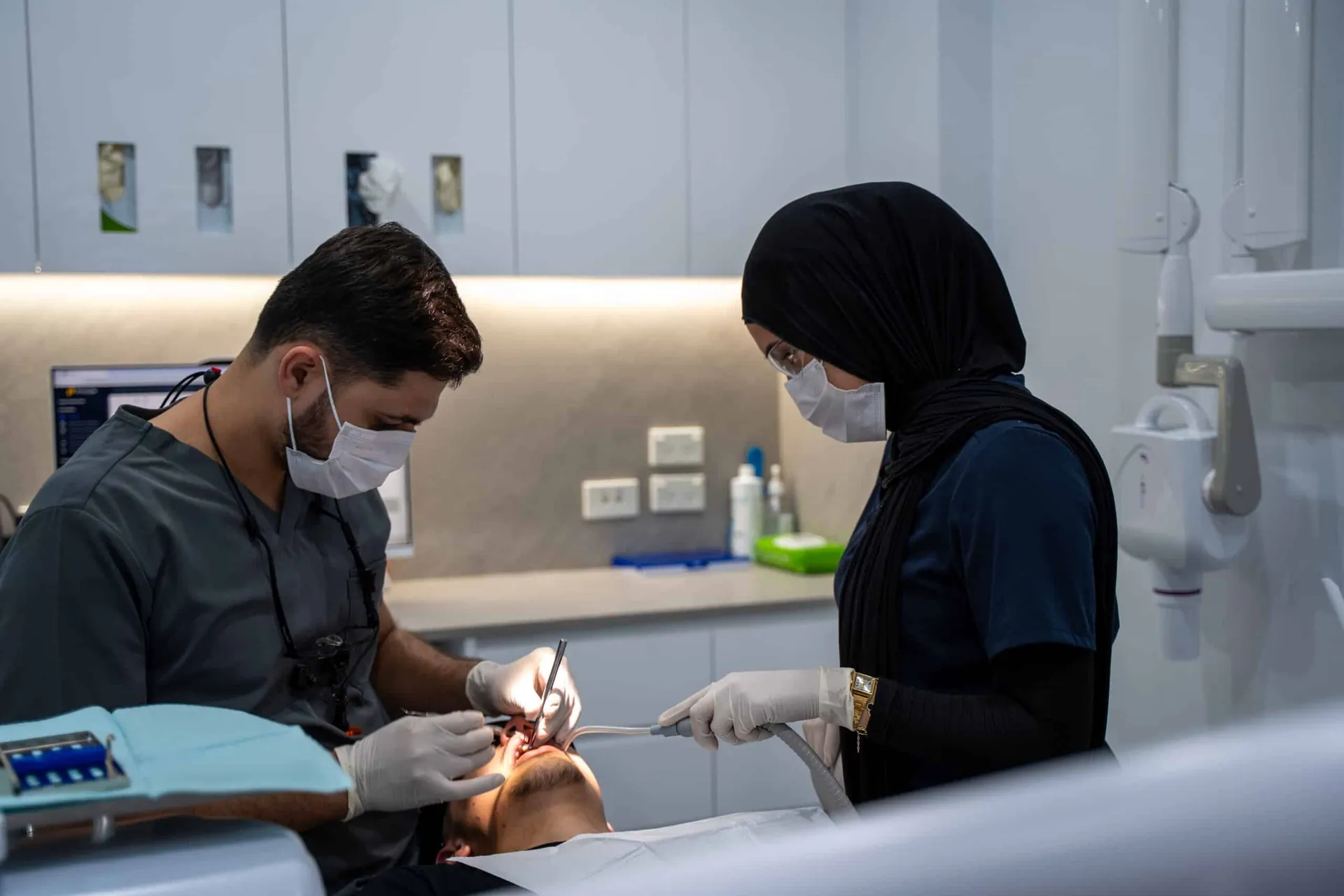
HAYAT DENTAL · BROADWAY, SYDNEY
If a tooth is painful, damaged or difficult to keep healthy, start with an assessment. We explain whether it can be saved and what removal would involve.
GoogleRead our patient reviewsDigital X-rays
Assessment and planning
Upfront pricing
Health funds accepted
Gentle dental care
Comfort for anxious patients
Experienced dentists
Simple and surgical extractions
ASSESSMENT · OPTIONS · CARE
An extraction is a decision made after an assessment. Your dentist will consider the tooth, gums and supporting structures, and explain suitable alternatives before recommending removal.
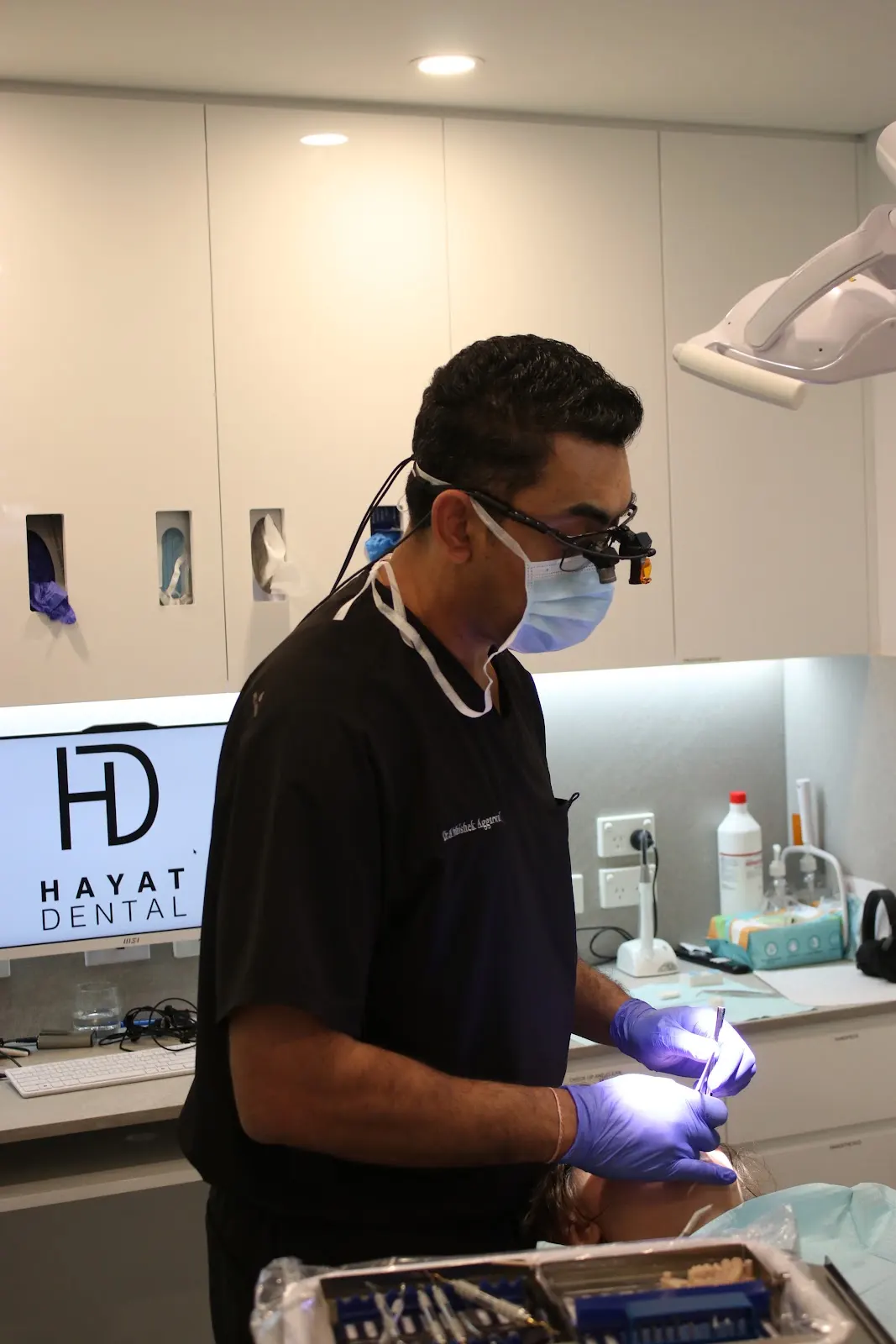
WHY A TOOTH MAY NEED REMOVING
Keeping a natural tooth is usually the first aim. These are common reasons your dentist may recommend removal instead.
01
Decay has destroyed so much of the tooth that it can no longer be restored.
02
A fracture or crack extends too far for a filling, crown or root canal treatment to hold.
03
The bone and gum supporting the tooth have been lost and the tooth has become loose.
04
A tooth that cannot come through fully and keeps causing pain, infection or damage nearby.
UNDERSTAND YOUR OPTIONS
The position and condition of the tooth determine the approach. Your dentist explains which applies to you after an examination and any necessary imaging.
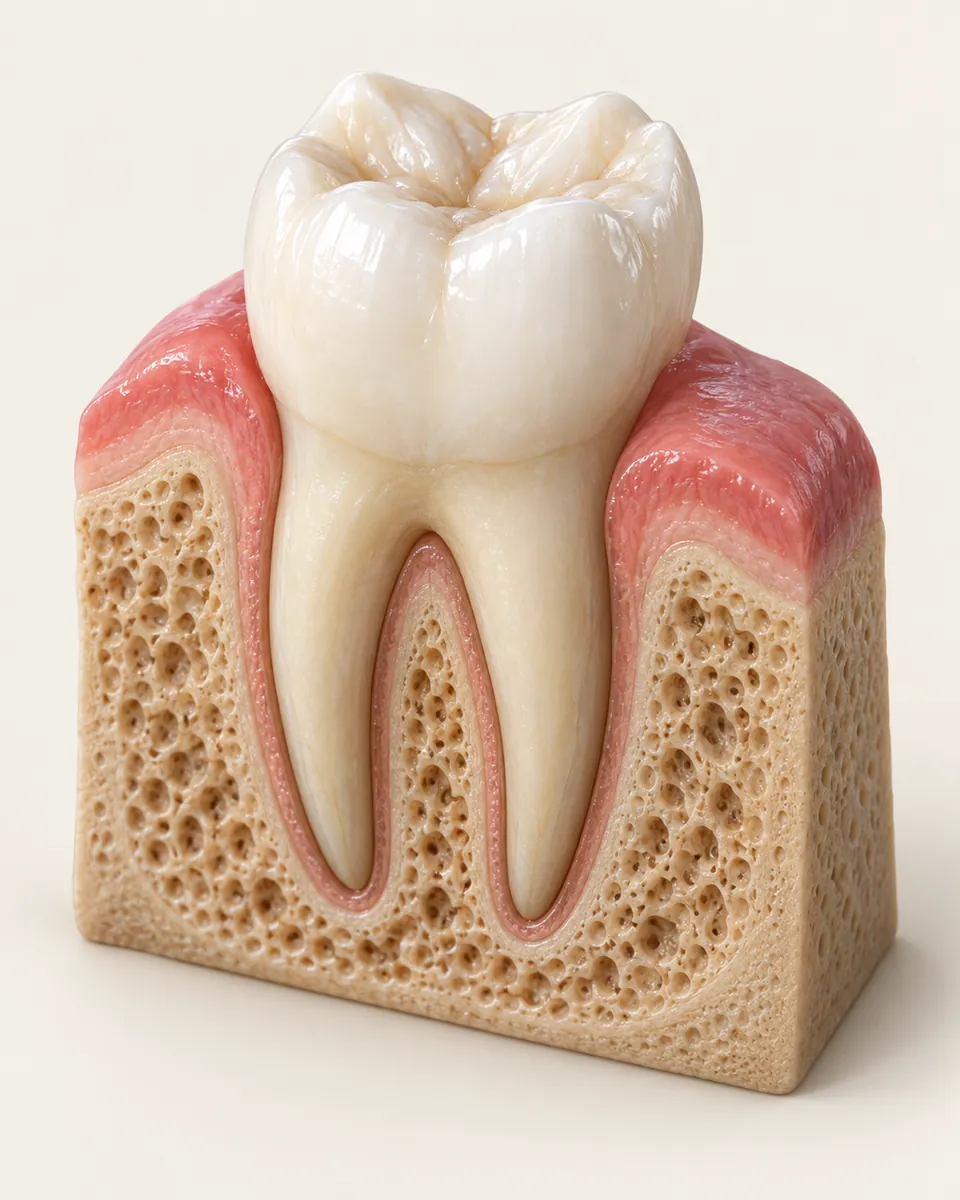
ACCESS ABOVE THE GUM
A tooth that can be accessed and removed without a surgical approach.
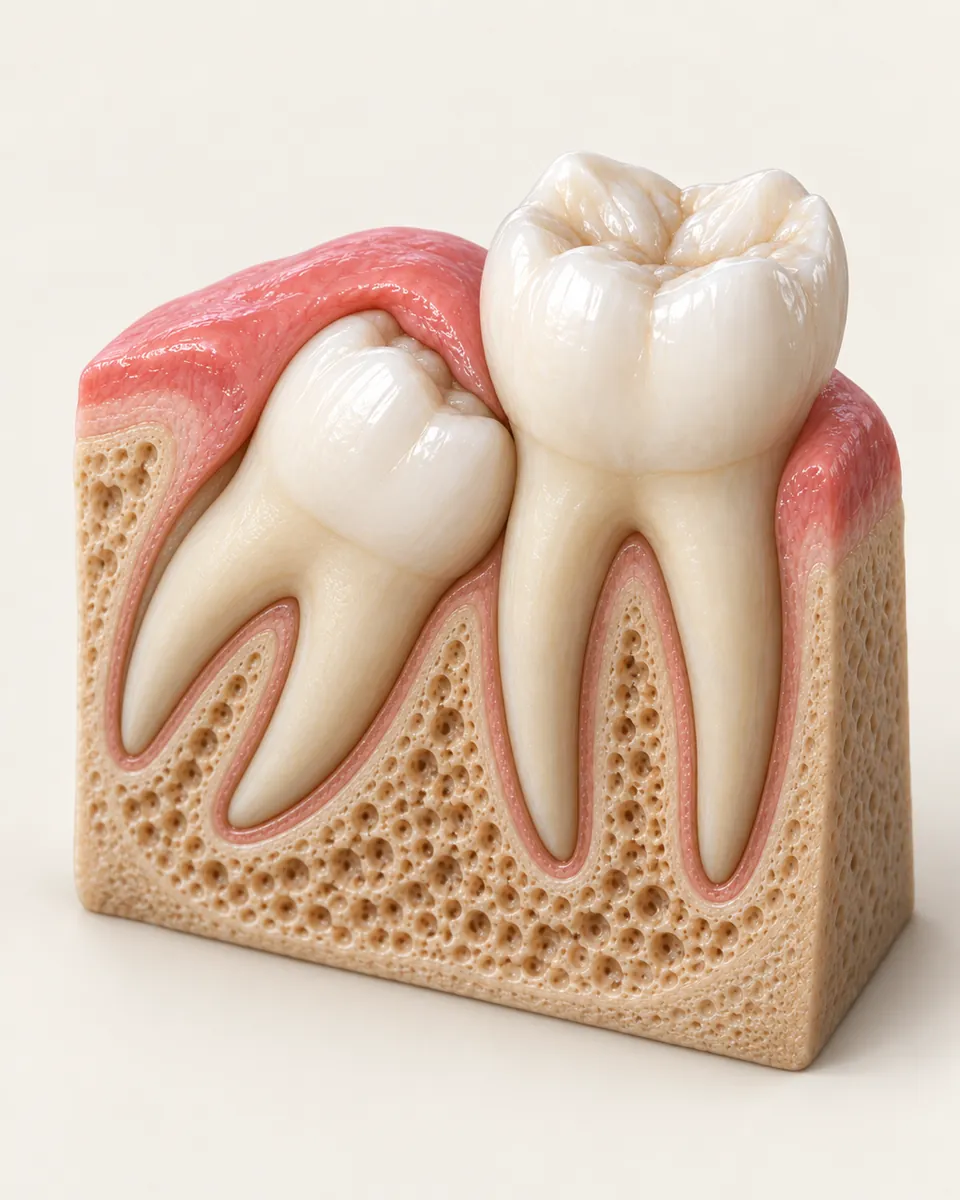
A DIFFERENT APPROACH
A tooth below the gum, broken down or difficult to access may need surgery.
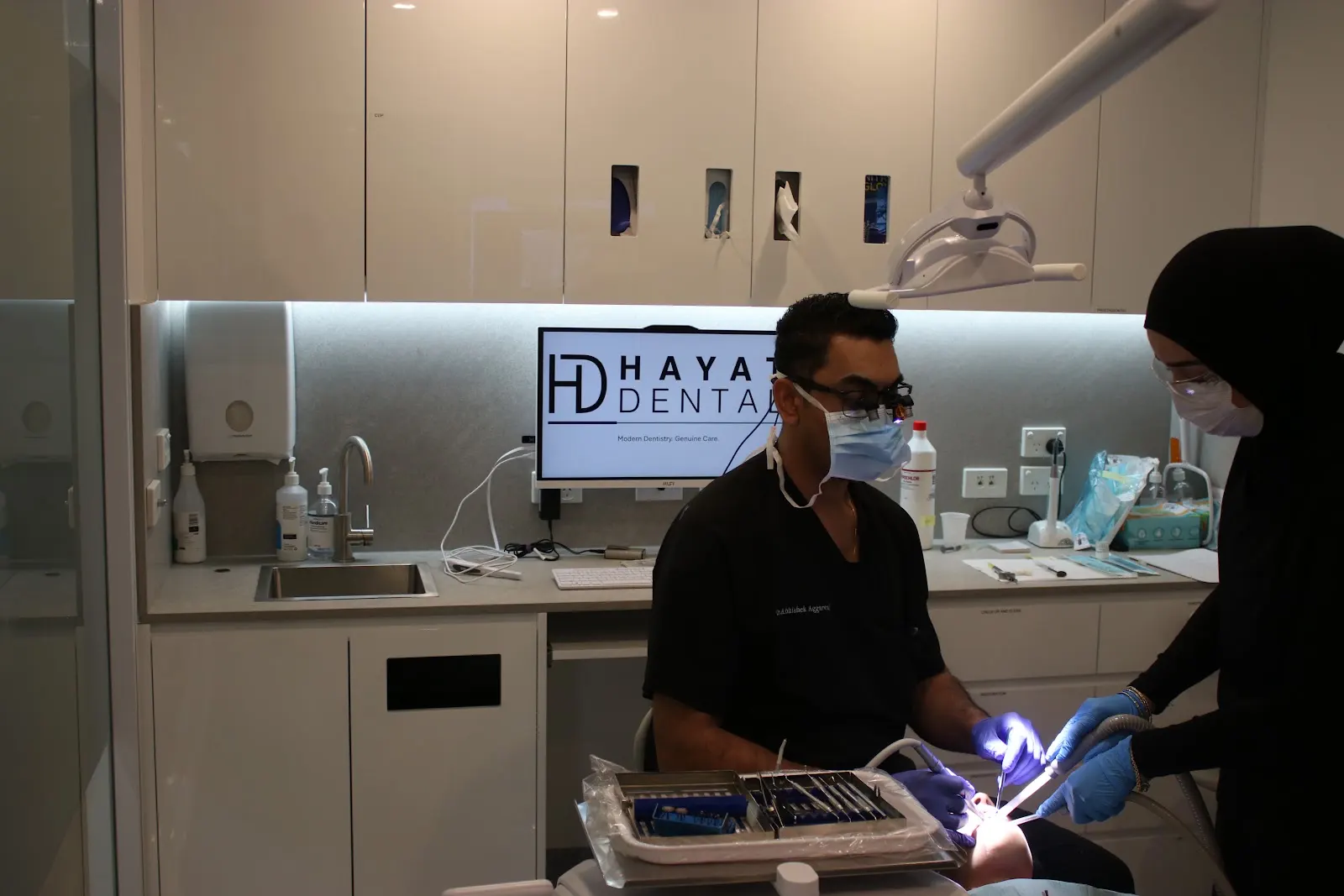
BEFORE ANY TREATMENT
If a tooth can be saved, we’ll say so. If removal is the right step, you’ll know what it involves and how to prepare.
WHAT TO EXPECT
From the first conversation to follow-up, there is time to understand your options.
01
Review your symptoms, dental history, medicines and any necessary imaging.
02
Discuss anaesthetic, what you may feel and your questions before treatment.
03
The approach depends on the tooth’s position and clinical assessment.
04
Leave with personalised aftercare and advice on when to contact the clinic.
AFTER YOUR VISIT
Your dentist’s personalised instructions take priority. Recovery varies with the procedure.
01
FIRST DAY
Follow instructions about bleeding control, food and avoiding disturbance to the socket.
02
NEXT FEW DAYS
Follow cleaning, food and pain-relief advice. Contact the clinic if symptoms worsen.
03
FOLLOW-UP
Discuss healing and whether replacing the tooth is appropriate for you.
Contact your dentist
For worsening pain, swelling or persistent bleeding after treatment, contact your dentist promptly. 02 9030 0247
Need urgent help?
Difficulty breathing or swallowing needs urgent medical help.
AFTER REMOVAL
At follow-up, discuss healing and whether replacing the tooth is appropriate for you.
PLAN WITH CONFIDENCE
Costs depend on the tooth’s position, complexity and the imaging or additional care needed. Ask for a quote and what it includes before treatment.
Make an enquiryA GOOD PLACE TO START
Tell us what’s happening. We can help arrange an assessment and explain your options.
Shop 1/180–182 Broadway, Chippendale
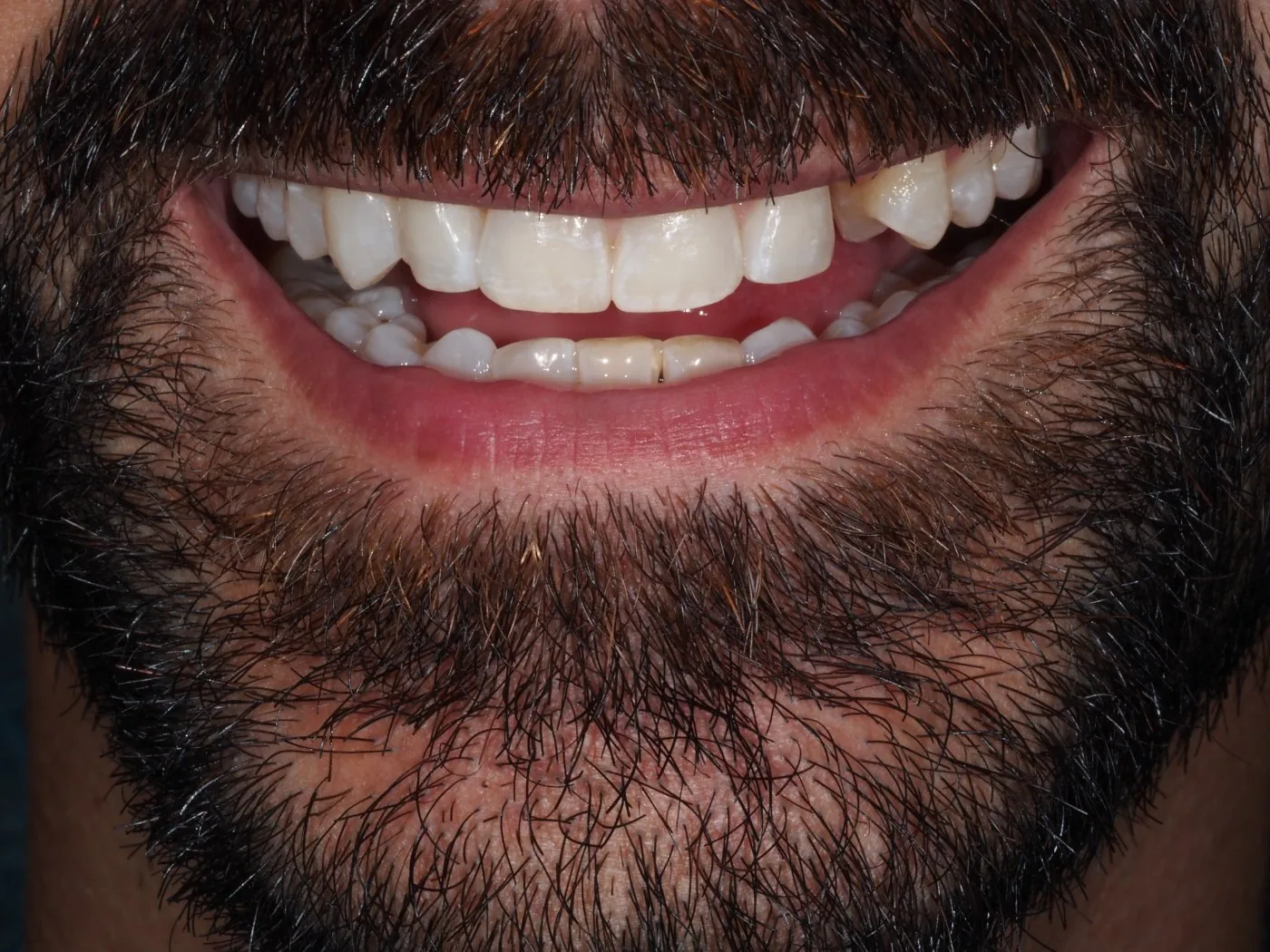
REAL PATIENT CASES
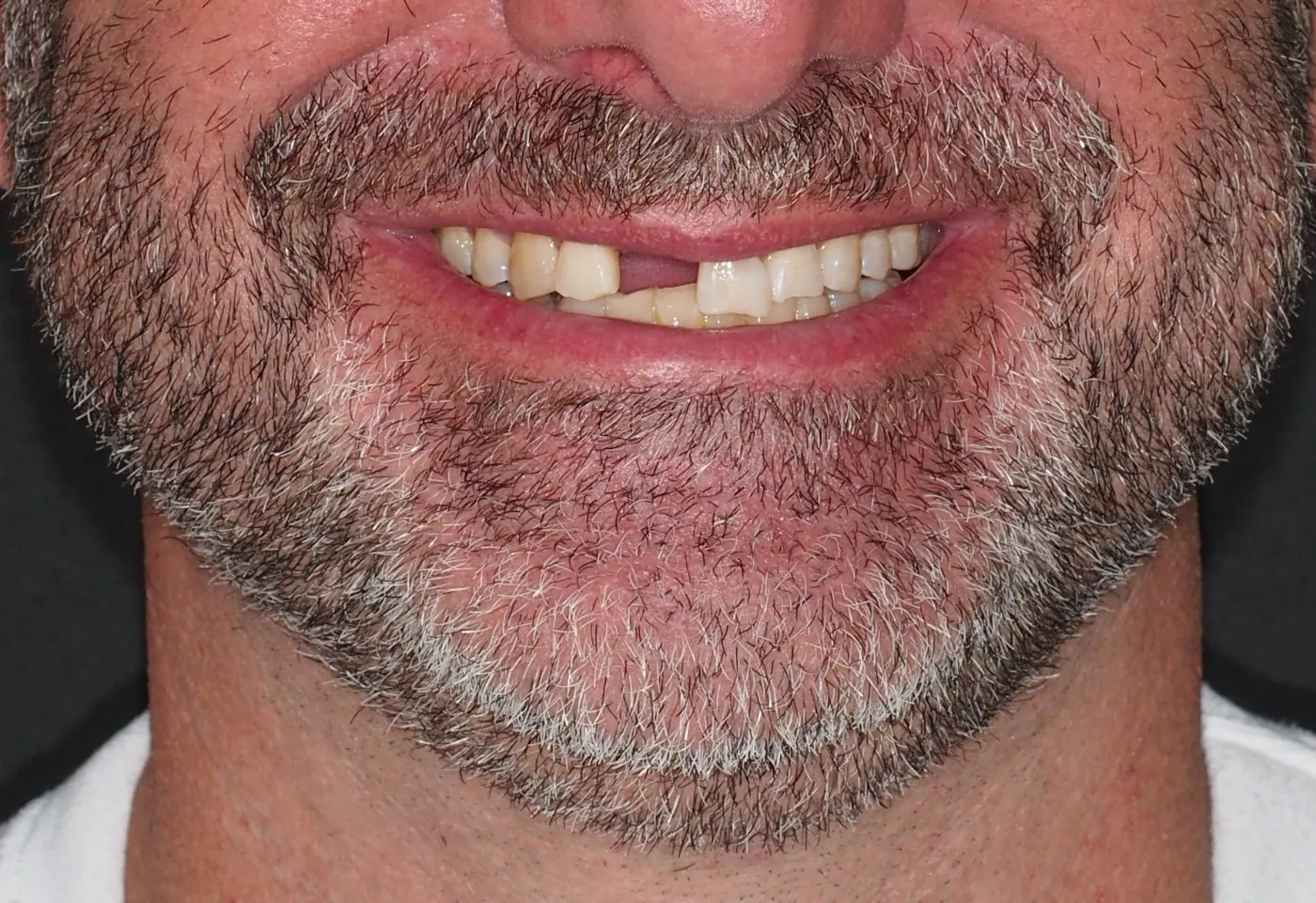 Before
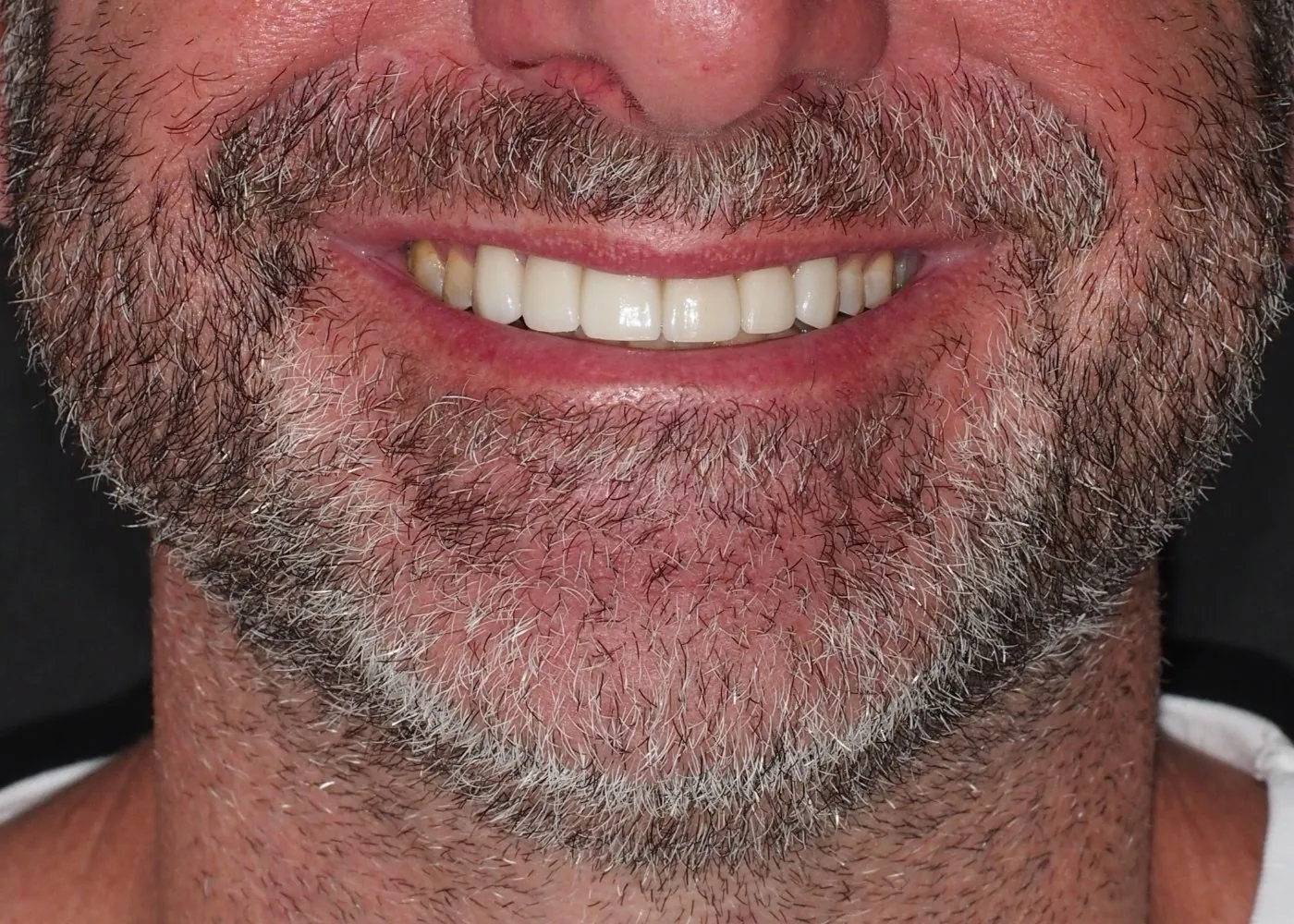 AfterImplant, crowns and Invisalign with sedationAn implant, crowns and Invisalign under IV sedation for a nervous patientAbout 12 months
 Before
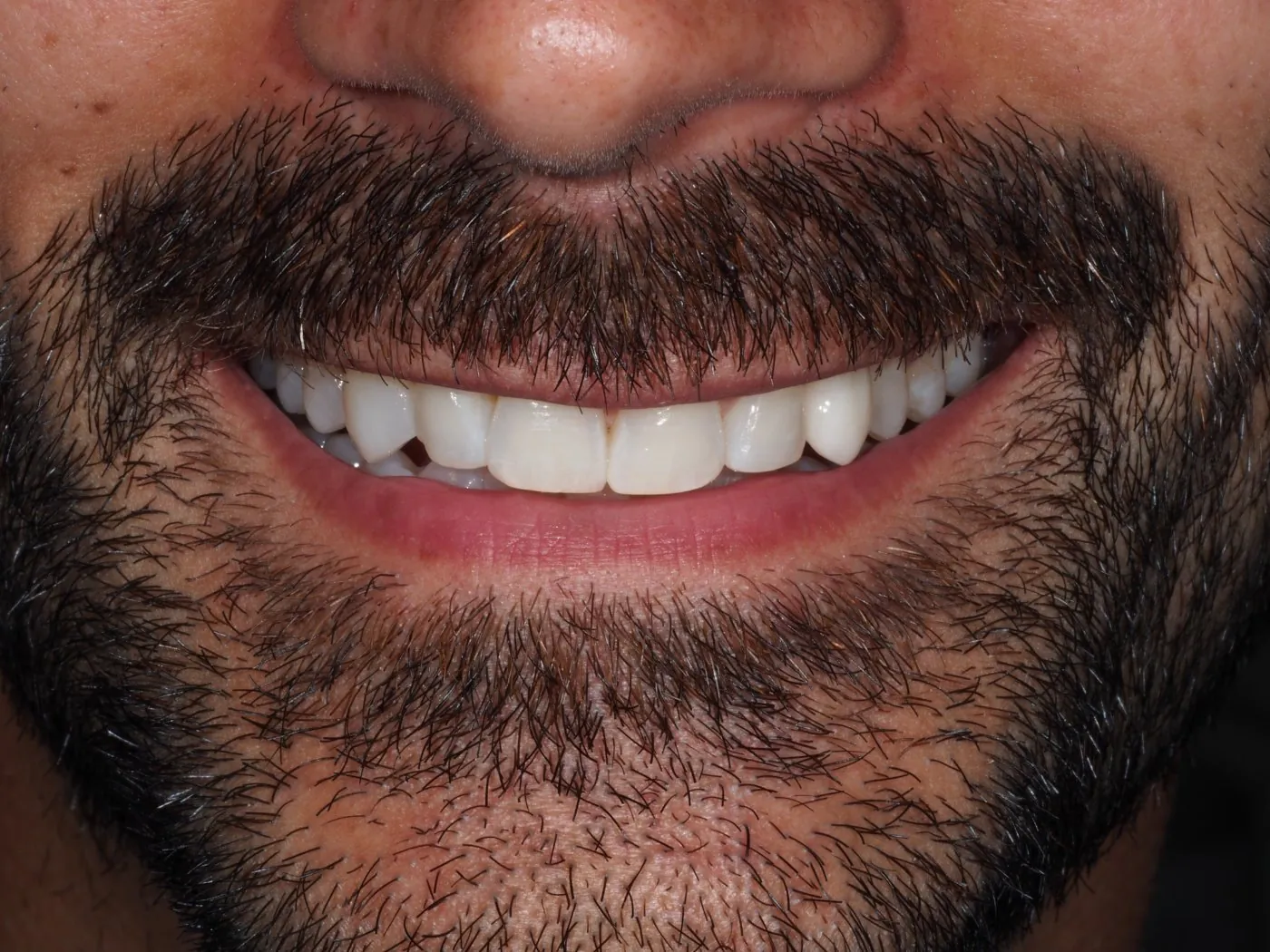 AfterInvisalign and an implant crownReplacing a missing eye tooth with Invisalign and an implantAbout 12 months
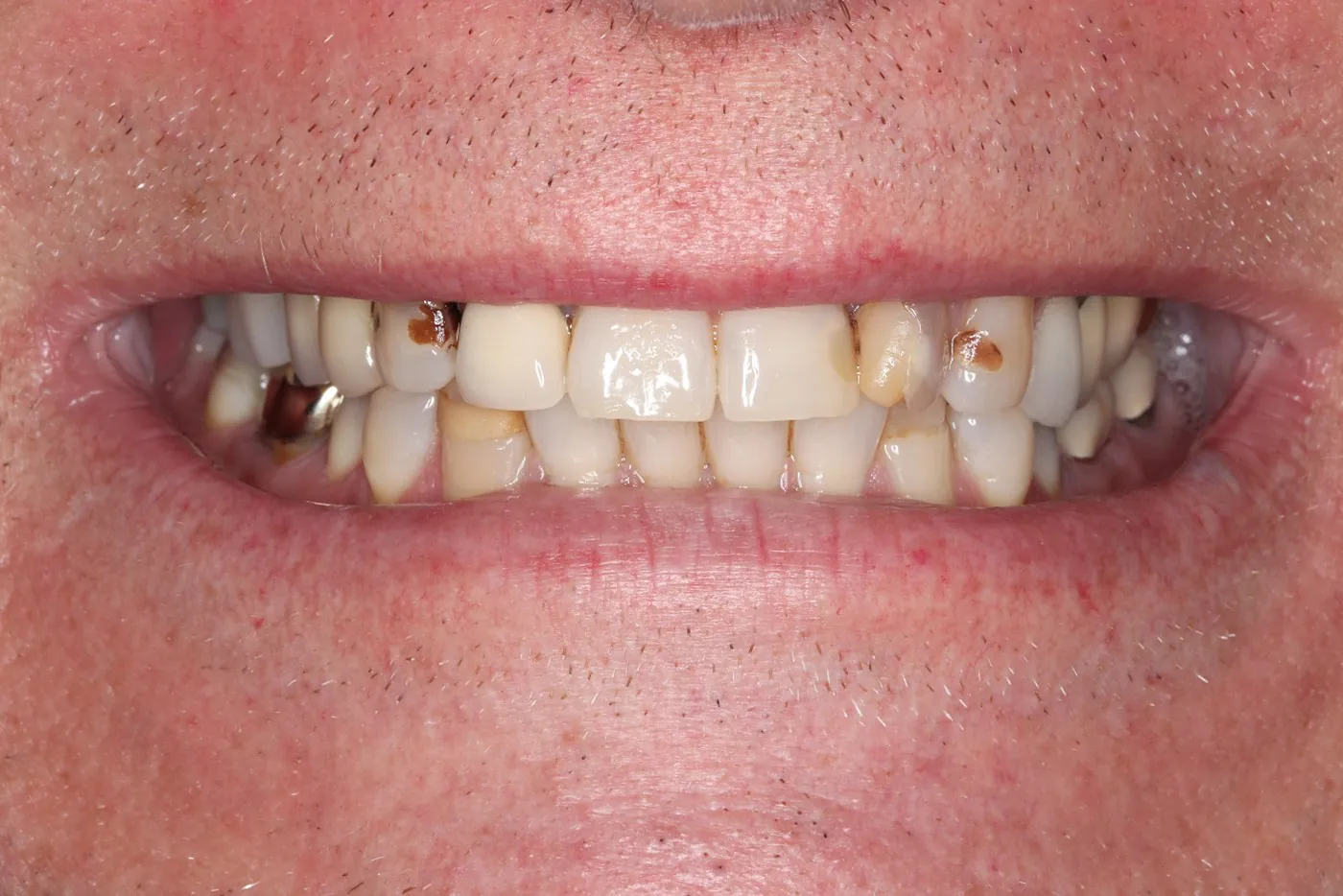 Before
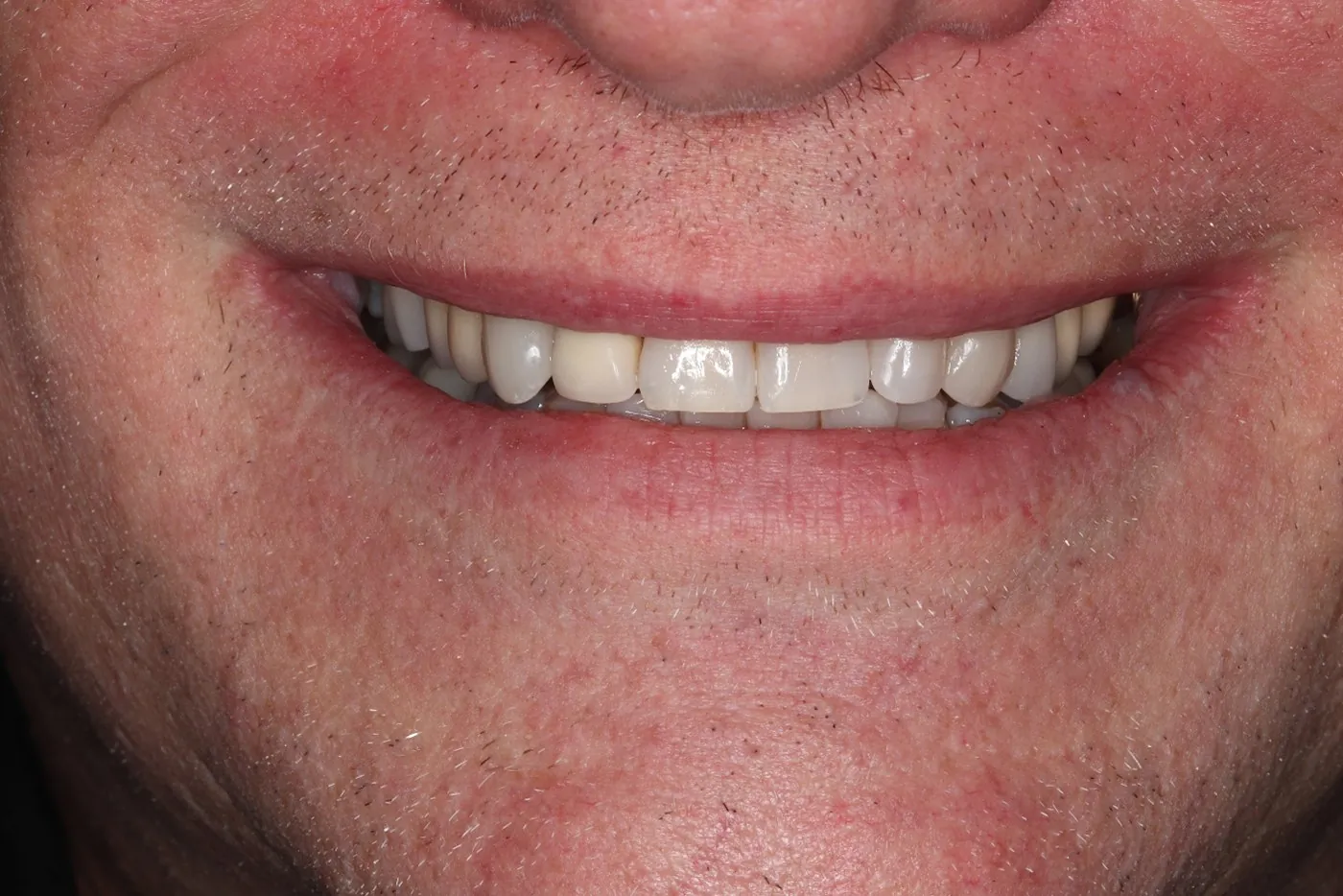 AfterSix crownsSix crowns to replace stained, 15-year-old dental workAbout 3 weeks
Photos of real Hayat Dental patients, published with consent. Individual results vary.
A LITTLE MORE CLARITY
Local anaesthetic numbs the area. Pressure or movement can still be noticeable. Tell your dentist if you feel pain so they can reassess your comfort.
It depends on your procedure and the demands of your job. Ask your dentist for advice specific to your extraction before arranging work or exercise.
Some wisdom teeth can be removed simply; others need surgery. Ask about your wisdom teeth at your assessment.
Not everyone needs antibiotics after an extraction. Your dentist decides whether they are appropriate based on your clinical circumstances.
MAKE AN ENQUIRY
Send an enquiry and our team will contact you. To book an appointment, use our online booking portal. For urgent availability, please call the clinic.