Hayat Dental — home
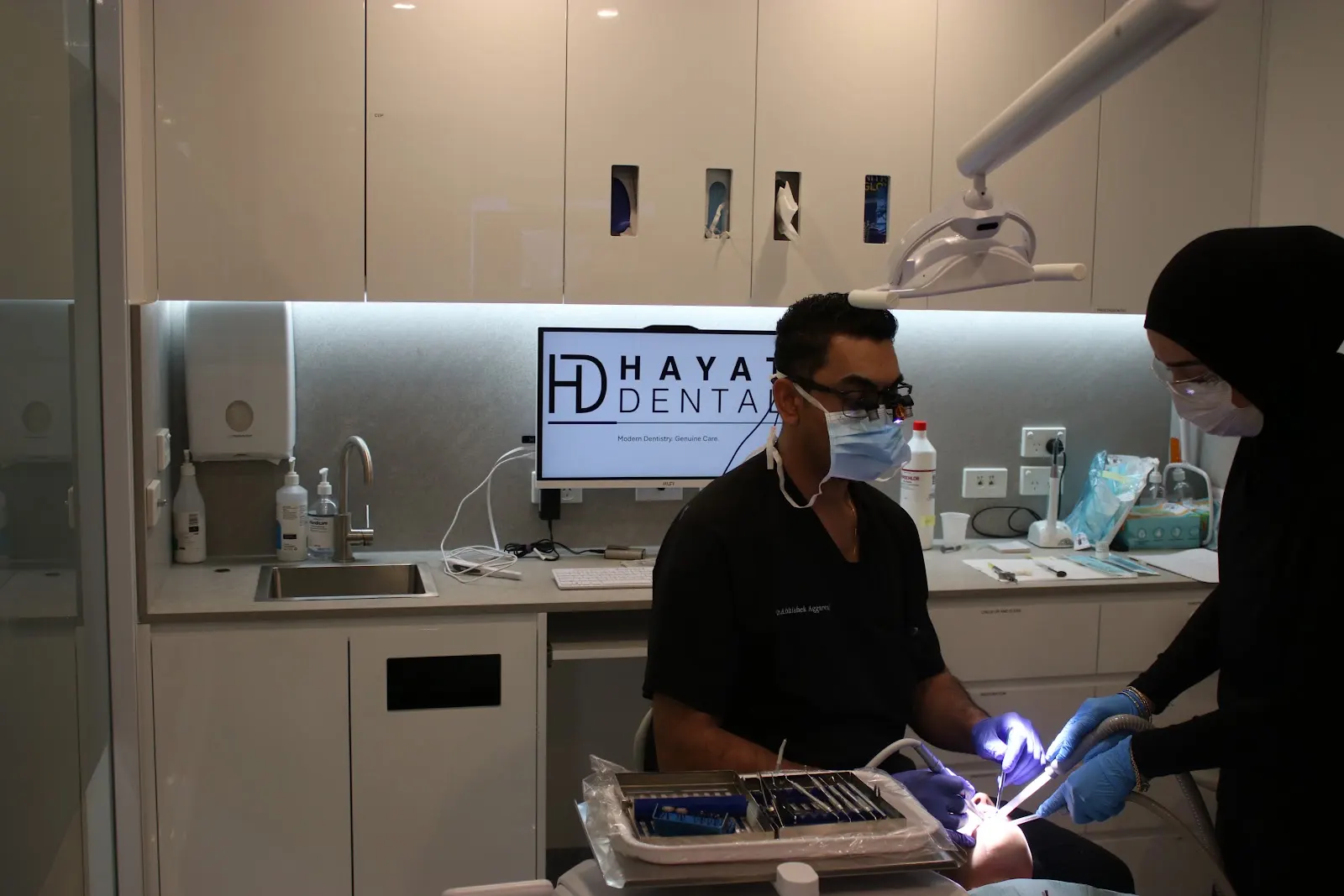
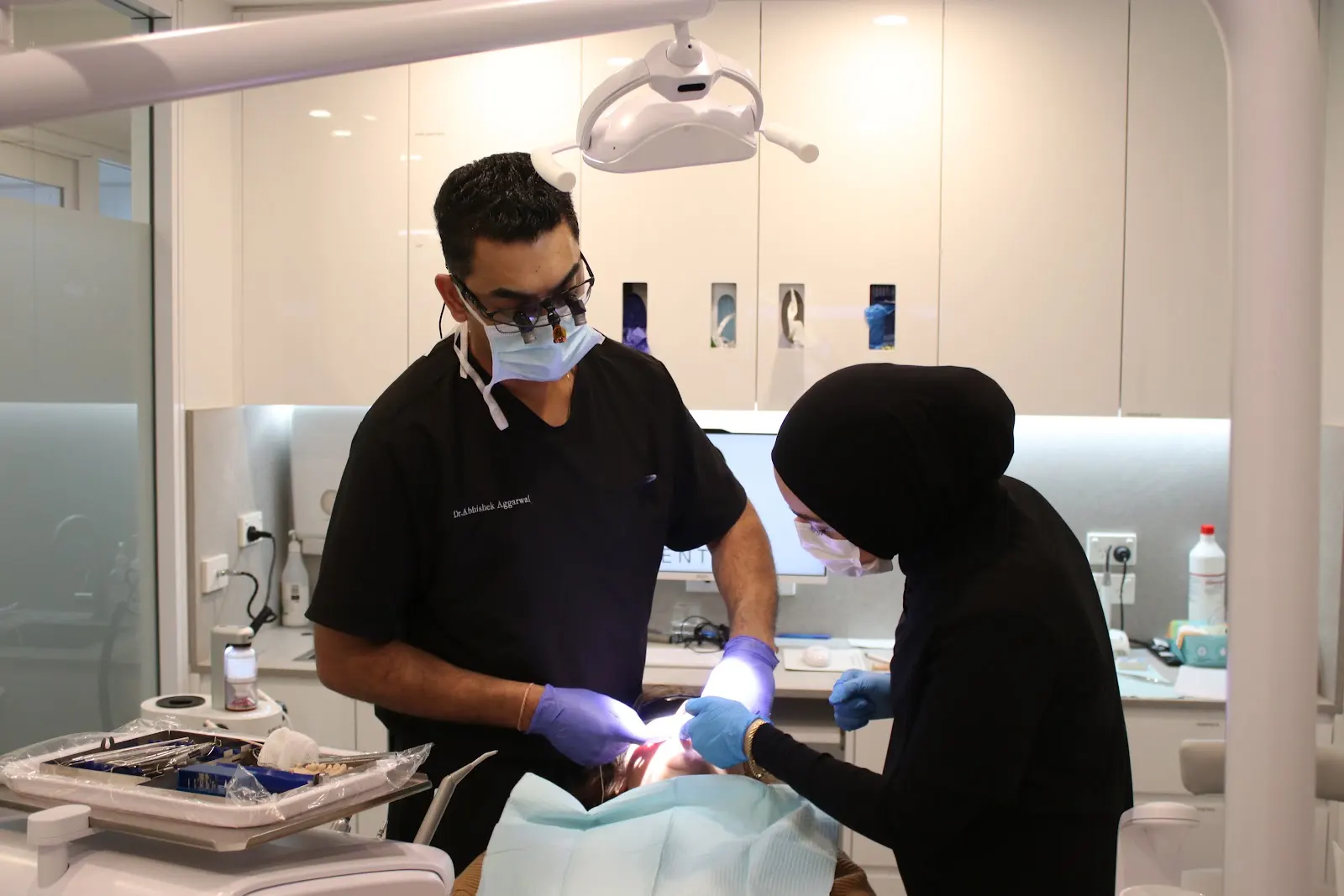
Dr Abhishek and assistant providing dental treatment

HAYAT DENTAL · BROADWAY, SYDNEY

Dental Crowns Sydney

A dental crown covers and protects a weakened, broken or heavily filled tooth, restoring its shape, strength and appearance. We offer zirconia, porcelain, porcelain-fused-to-metal and gold crowns, and explain which material suits your tooth, what is involved and the alternatives before any work begins.

GoogleRead our patient reviews

Digital X-rays

Assessment and planning

Upfront pricing

Health funds accepted

Gentle dental care

Comfort for anxious patients

Experienced dentists

Modern restorative care

ASSESSMENT · OPTIONS · CARE

When might you need a dental crown?

A crown may be recommended when a tooth no longer has enough strong structure to hold a filling on its own. Your dentist first checks the tooth for decay, cracks, gum health and how much sound tooth remains.

  • A large filling that has left the remaining tooth weak
  • A broken tooth that needs more coverage than a filling can give
  • A back tooth after root canal treatment
  • Teeth worn down by grinding or clenching
  • A discoloured or misshapen front tooth where other options are not suitable
  • A dental implant that needs a crown on top

Crown or filling for a cracked tooth?

A small crack or chip can often be repaired with a filling or bonding. When a crack runs across the biting surface, or a cusp has broken away, a crown can hold the tooth together and spread biting forces more evenly. Pain when chewing can be a sign of a cracked tooth, so your dentist will check how deep the crack goes before recommending either option.

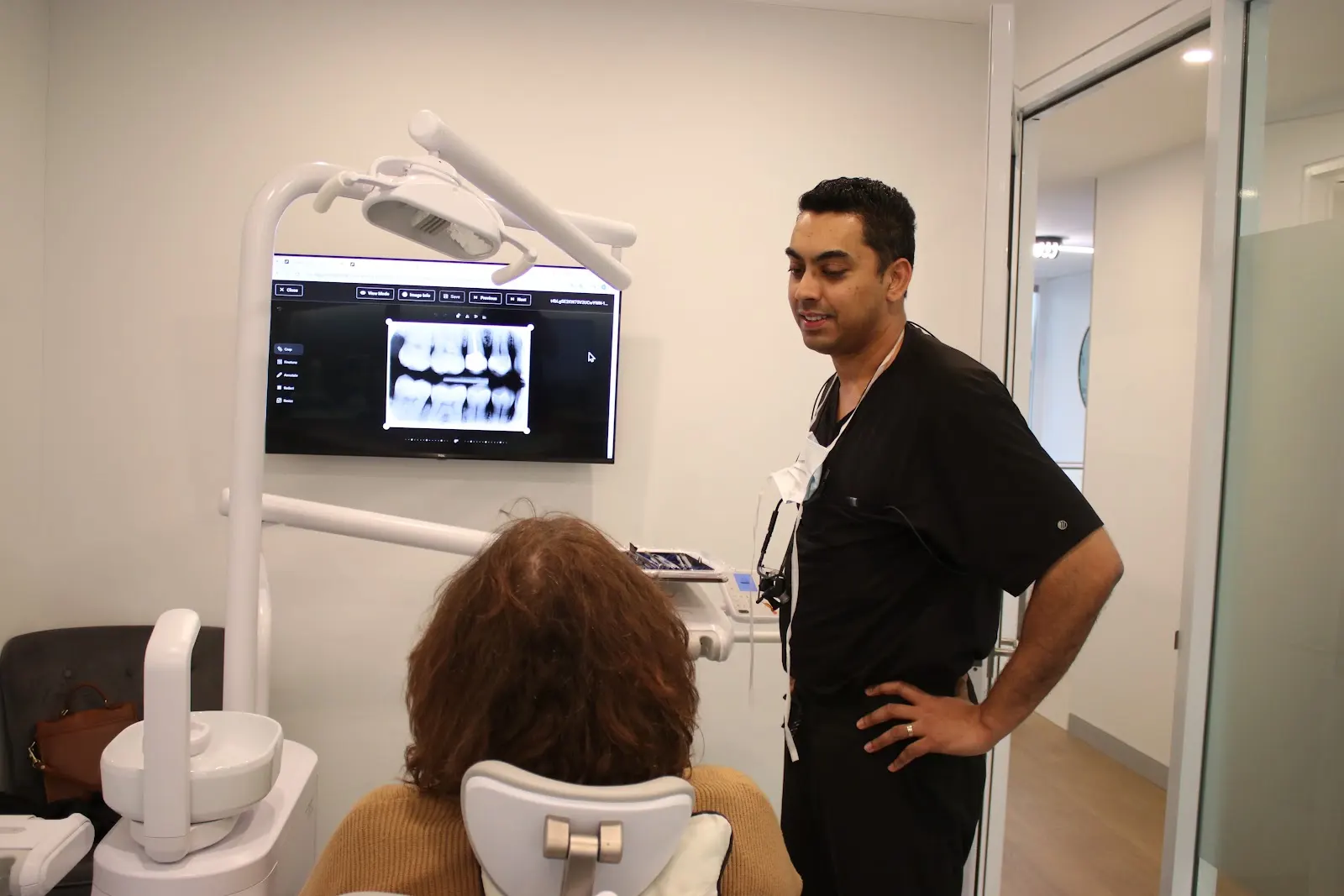
Dr Abhishek reviewing an X-ray with a patient

UNDERSTAND YOUR OPTIONS

Types of dental crowns and which material suits you

We offer four types of dental crowns in Sydney, made from zirconia, porcelain (including E.max), porcelain-fused-to-metal or gold. Each has different strengths, and the right choice depends on where the tooth is, how much space there is, how hard you bite and how important appearance is to you.

Tooth-coloured · high strength

Zirconia crowns

Zirconia is a very strong, tooth-coloured ceramic that resists chipping and handles heavy chewing forces well. Newer translucent types also allow zirconia to be used on more visible teeth.

Appearance
Tooth-coloured, with more translucent types available for visible teeth.
Best for
Back teeth, heavy biting forces and people who grind or clench.
Consider
Less translucent types can look slightly opaque next to natural front teeth.

Tooth-coloured · most natural look

Porcelain and E.max crowns

All-ceramic crowns, including lithium disilicate (E.max), give the most lifelike look. They let light through much like natural enamel, so they are often chosen for front teeth.

Appearance
The most natural translucency and shade matching.
Best for
Front teeth and other highly visible areas.
Consider
Depending on the type and design, they may not be the first choice for very heavy biting forces or grinding.

Metal base · porcelain surface

Porcelain-fused-to-metal crowns

Porcelain-fused-to-metal crowns combine a strong metal framework with an outer layer of tooth-coloured porcelain. They have been used for many years and remain a reliable option today.

Appearance
Tooth-coloured surface, although a thin dark line can show at the gum over time.
Best for
Teeth that need a strong, proven option where some metal underneath is acceptable.
Consider
The porcelain layer can chip, and more tooth may need to be shaped to make room for both layers.

Metal · very durable

Gold crowns

Gold alloy crowns are very durable and need relatively little tooth to be removed. They wear gently against opposing teeth, but their metallic colour means they usually suit back teeth.

Appearance
Visibly gold or metallic.
Best for
Back teeth, especially where space is limited or bite forces are heavy.
Consider
Not tooth-coloured. Discuss any metal sensitivities with your dentist.

A crown requires shaping of the tooth and cannot be reversed. In some cases a filling or onlay is enough. Your dentist will explain the benefits of a crown alongside the risks and alternatives.

NATURAL-LOOKING RESULTS

Crowns for front teeth

Front teeth are the first teeth people see when you smile or speak, so a front tooth crown needs to match the shade, shape, surface texture and translucency of the teeth beside it. All-ceramic materials such as E.max, or more translucent types of zirconia, are usually preferred because light passes through them in a similar way to natural enamel.

Before the crown is made, we match the shade carefully, and the laboratory uses these details to shape and layer the crown. If you are also planning teeth whitening, it is best done first, because a crown does not change colour once it is made.

A front tooth crown is usually recommended when the tooth is broken, heavily filled, discoloured after root canal treatment or weakened by an old restoration. If the tooth is healthy and the main concern is its colour or shape, a porcelain veneer may need less tooth to be removed, and your dentist will explain the difference.

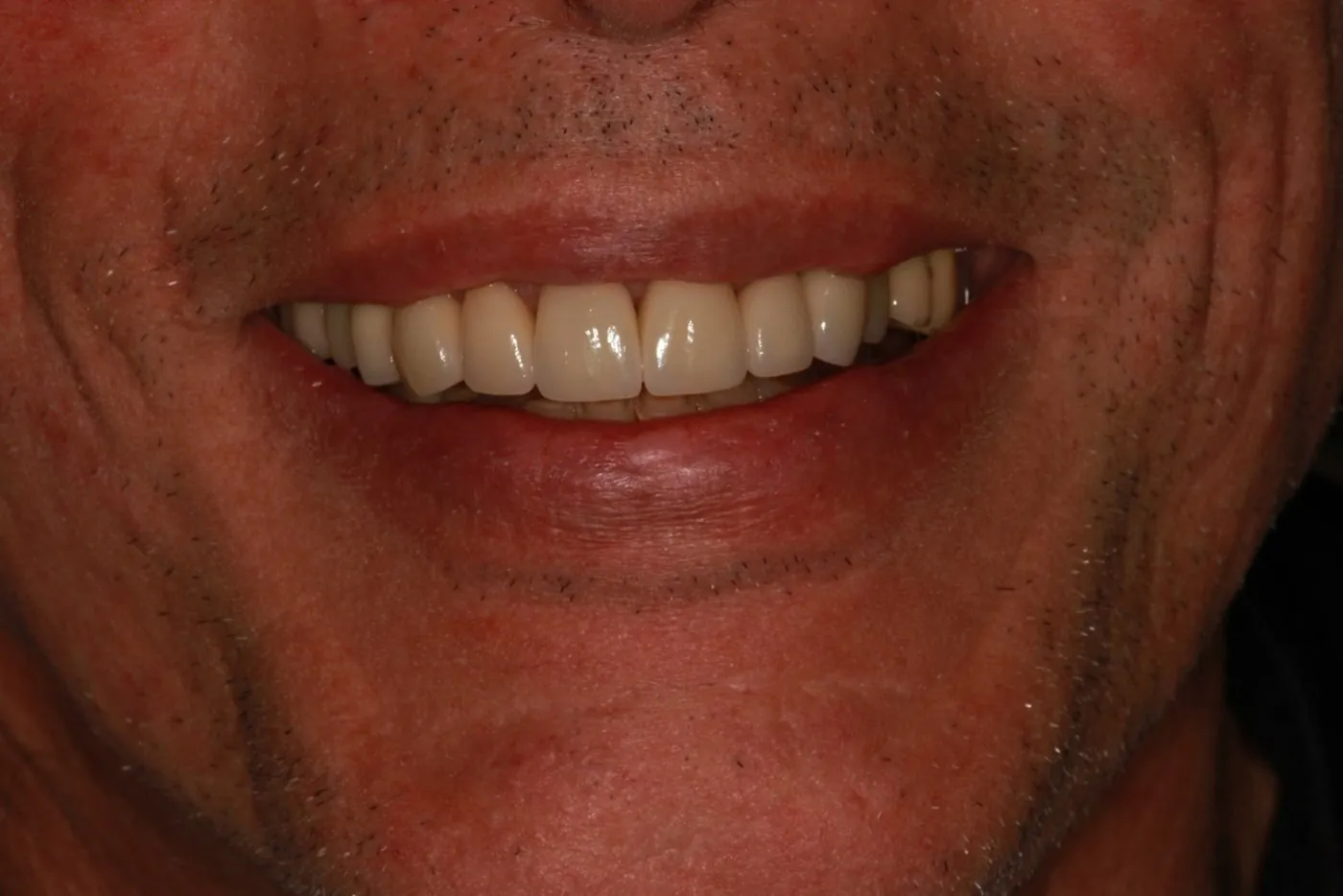
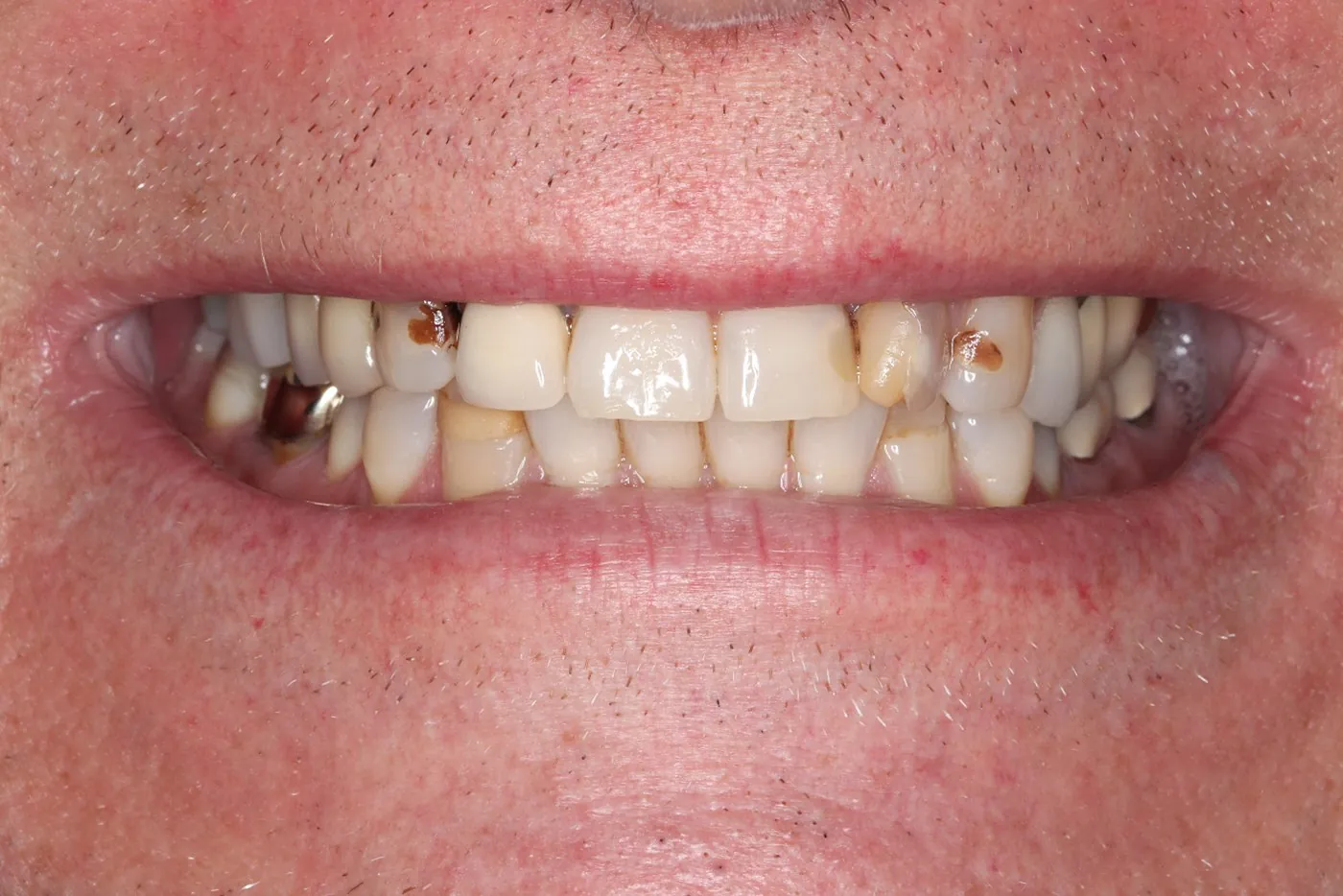
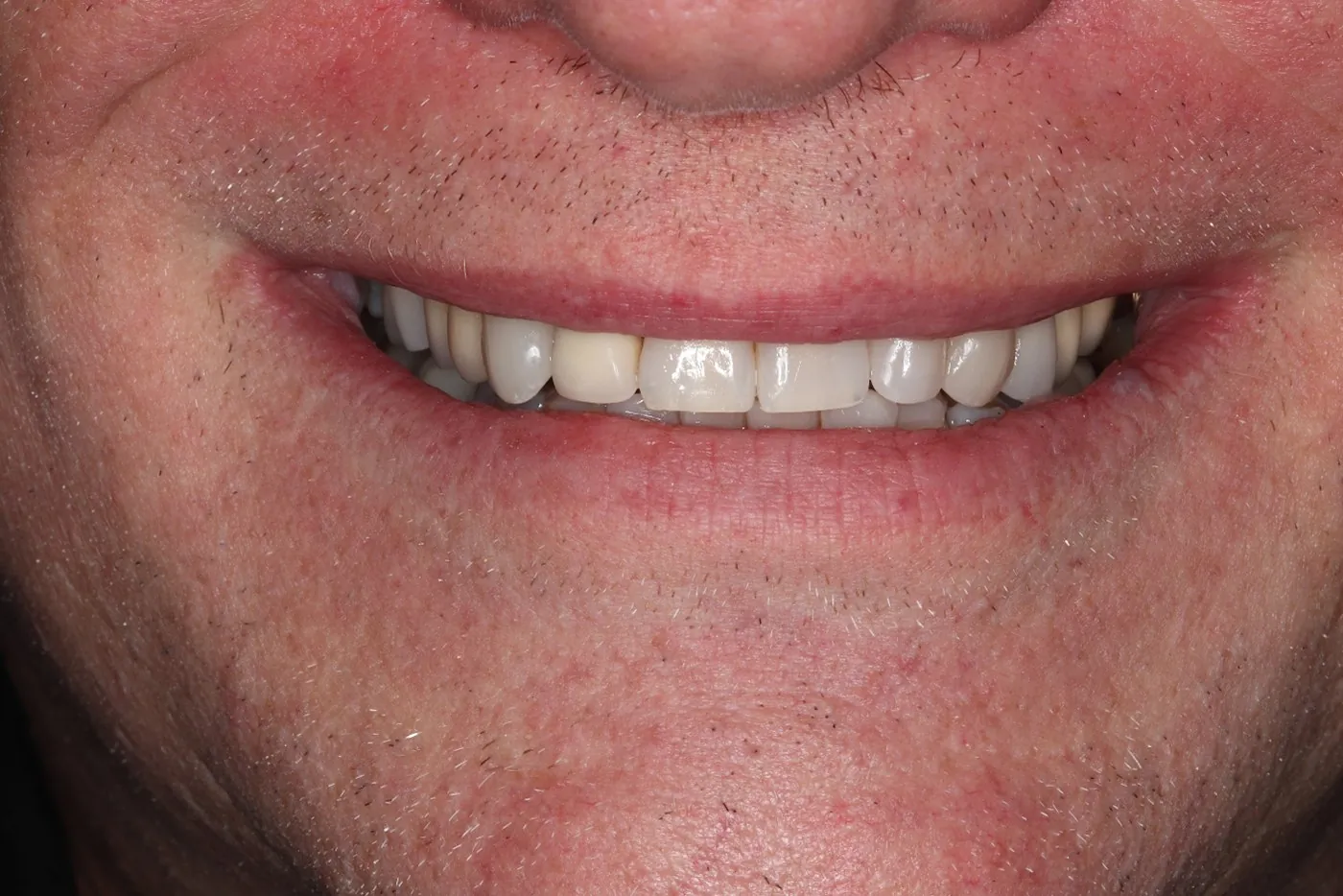
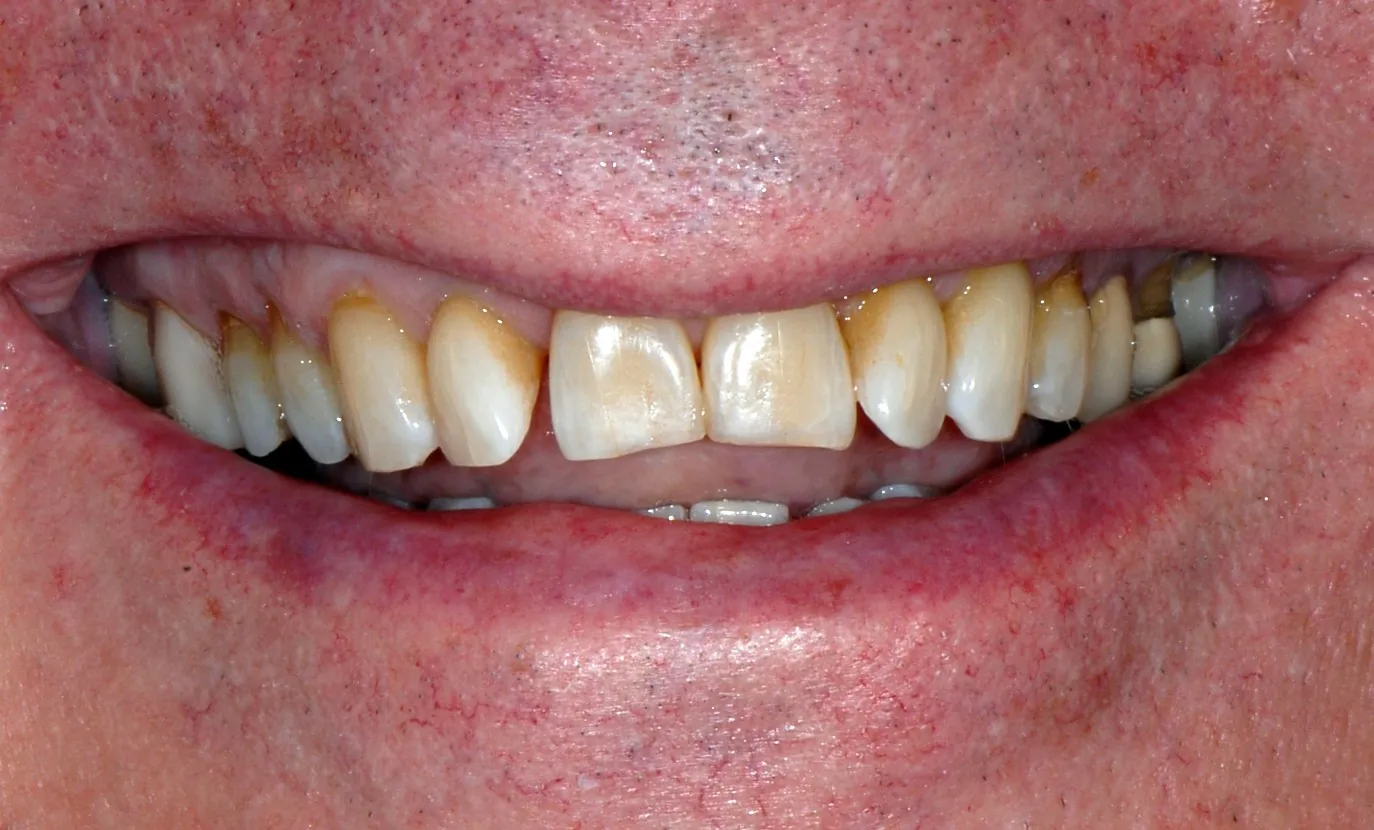
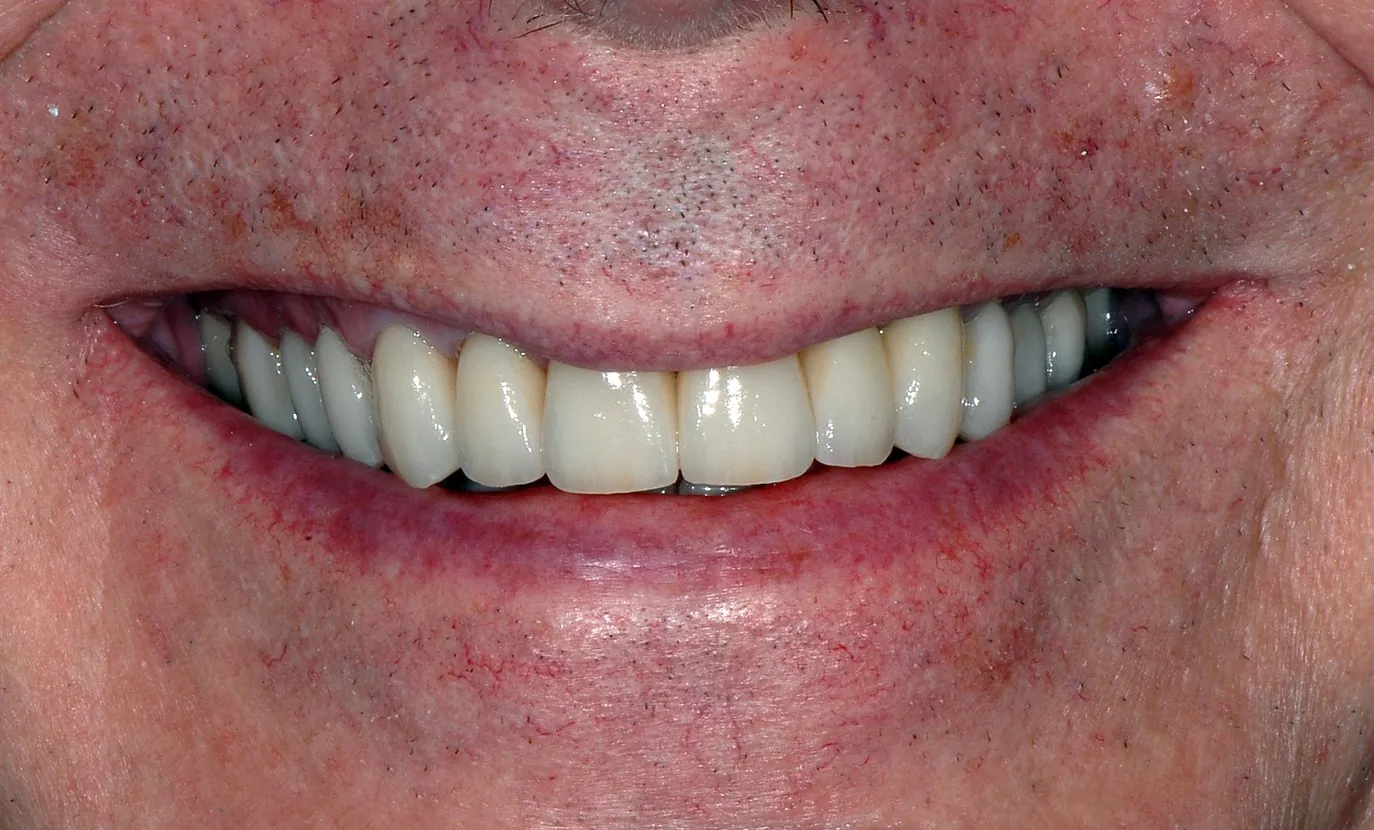
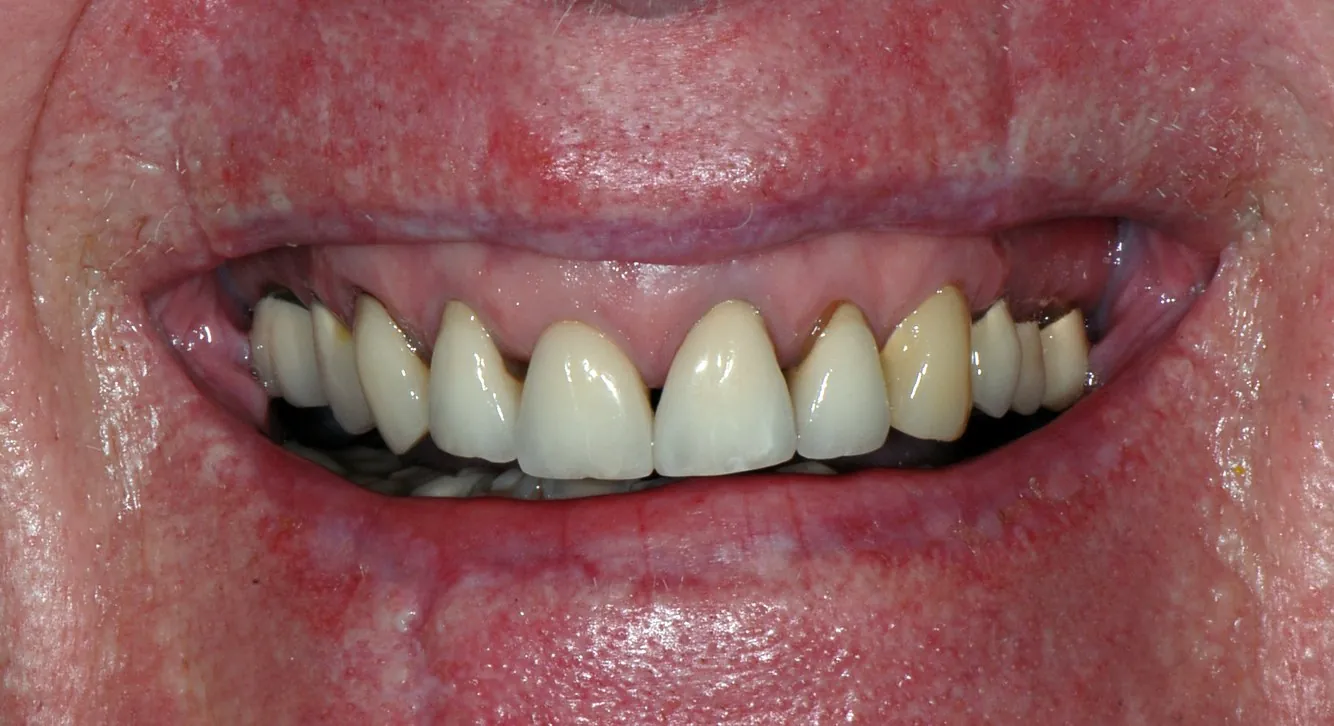
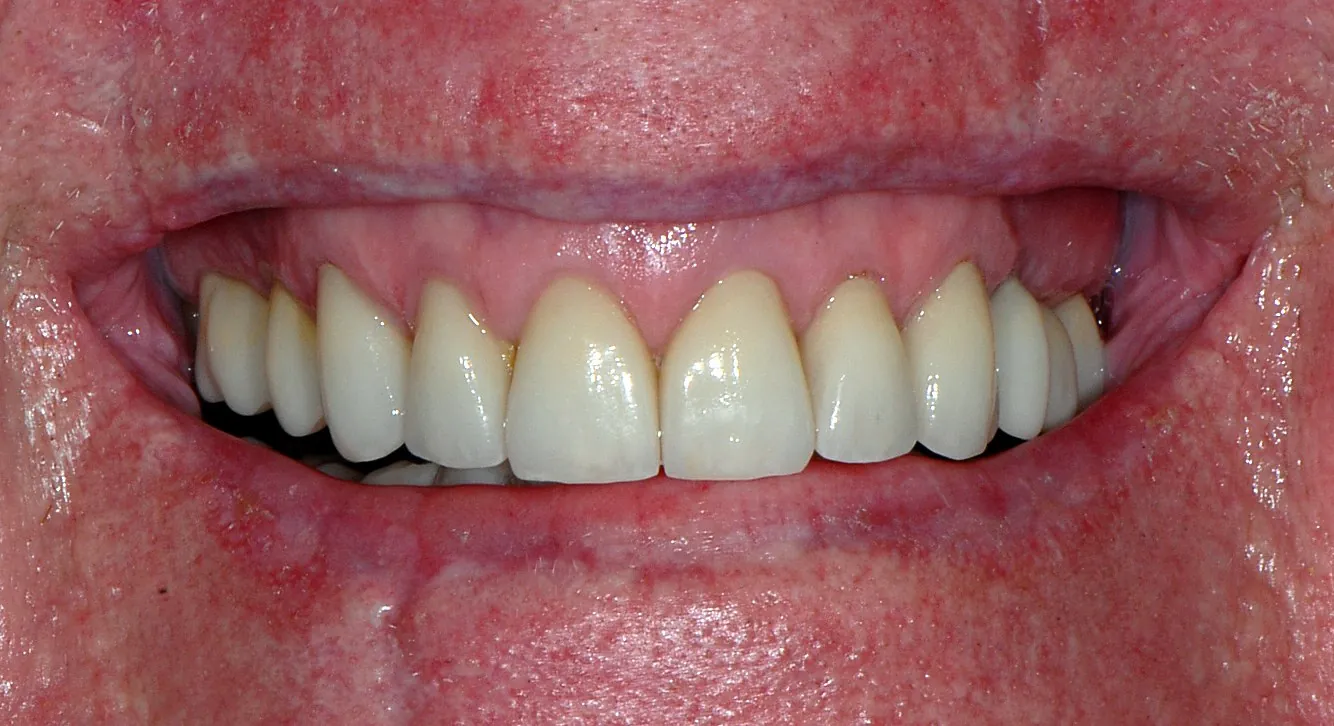
For one patient, six new crowns replaced dark, chipping front restorations and evened out the shape of the front teeth. Individual results vary.

Front teeth after six new crowns at Hayat Dental
Dr Abhishek and assistant in the treatment room

BEFORE YOU COMMIT

Every crown starts with an honest assessment

We check the tooth, explain the options and give you a clear estimate before any preparation begins.

WHAT TO EXPECT

What a crown appointment involves

Laboratory-made crowns usually involve two visits, with the crown made in a dental laboratory between them.

01

Assess and plan

We examine the tooth, take X-rays if needed, check your bite and discuss the material, the number of visits, alternatives and the estimate.

02

Prepare the tooth

We shape the tooth to make room for the crown, usually with local anaesthetic, then take a digital scan or impression and match the shade.

03

Protect between visits

A temporary crown protects the tooth while your crown is made in the laboratory.

04

Fit and check

We check the fit, appearance and bite, make any adjustments, then cement the crown in place.

AFTER YOUR VISIT

Caring for a crowned tooth

Your dentist’s personalised advice takes priority.

BETWEEN VISITS

Look after the temporary

Follow food and cleaning advice. Contact the clinic if a temporary crown comes off rather than using household glue.

AFTER FITTING

Report a high bite

Some sensitivity can occur. Seek advice if pain persists, the bite feels uneven or the crown feels loose.

LONGER TERM

Care for the edges

Brush with fluoride toothpaste and clean between teeth. Decay can still develop in the tooth around or beneath a crown.

Crowns can chip, loosen or need replacement. The underlying tooth may develop further problems despite treatment. Tell your dentist if you grind or clench so this can be considered in the plan.

PLAN WITH CONFIDENCE

Dental crown cost in Sydney

The cost of a crown depends on the material, how much work the tooth needs first and the laboratory work involved. Because every tooth is different, we give you a written estimate after your assessment, before any preparation begins.

Your estimate will take into account:

  • The crown material and laboratory work
  • Whether the tooth needs a core build-up first
  • Whether root canal treatment is needed before the crown
  • X-rays, the temporary crown and the number of visits

We accept all major health funds and claim on the spot through HICAPS. Crowns usually fall under major dental cover, so your rebate depends on your fund and level of cover.

Make an enquiry

A GOOD PLACE TO START

Not sure a crown is the right choice?

Book an assessment first. We’ll explain whether a crown, onlay or filling suits the tooth before you decide.

02 9030 0247

Shop 1/180–182 Broadway, Chippendale

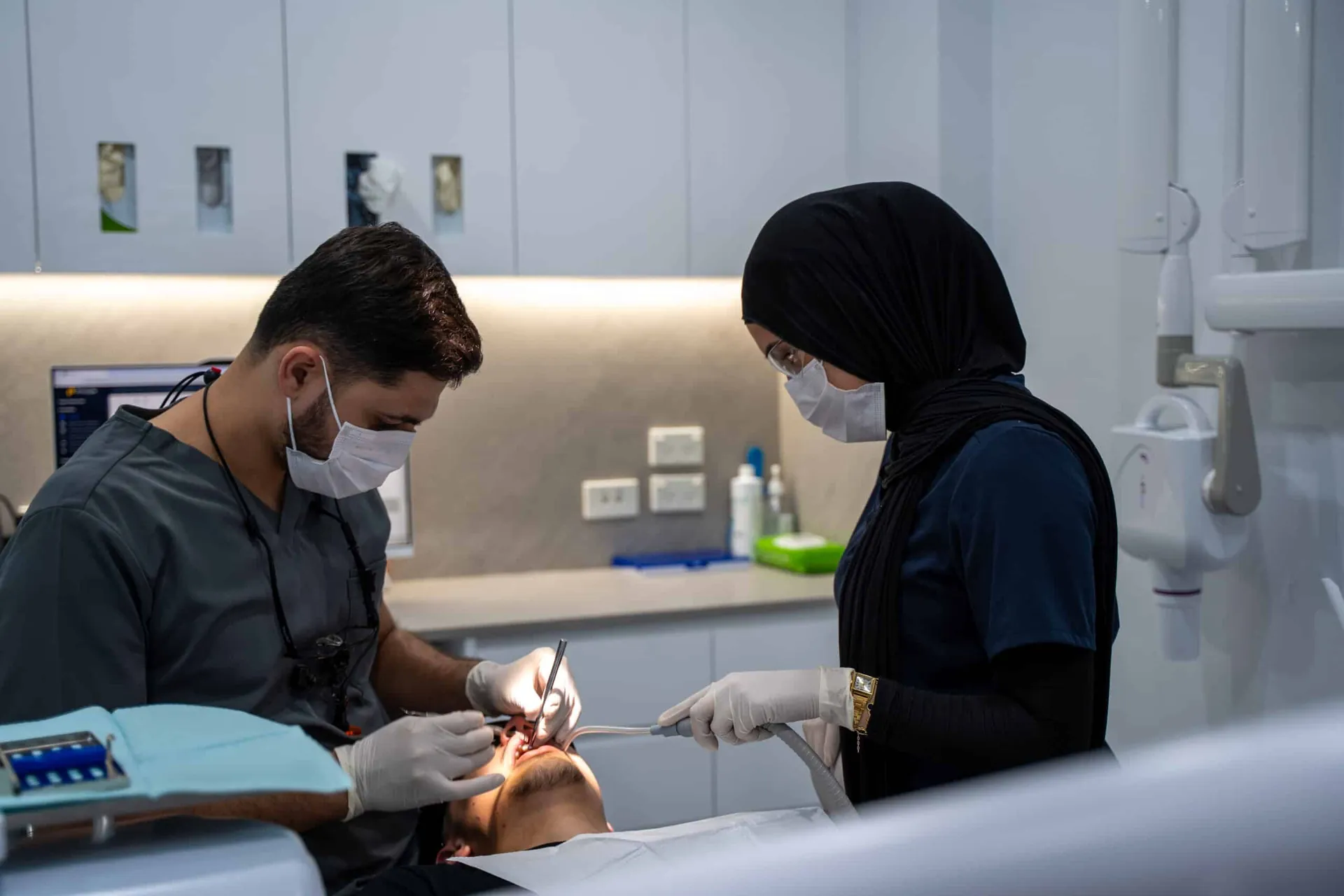
Dentist and assistant treating a patient at Hayat Dental

EASY TO REACH

Dental crowns close to Central Station and UTS

Hayat Dental is located opposite UTS on Broadway in Chippendale, within walking distance of Central Station, Ultimo and nearby parts of the Sydney CBD.

Get directions

A LITTLE MORE CLARITY

Your questions,
answered.

How much does a dental crown cost in Sydney?+

The cost depends on the crown material, whether the tooth needs a build-up or root canal treatment first, and the laboratory work involved. We give you a written estimate after your assessment, before any treatment begins.

Does every root canal treated tooth need a crown?+

Not always. Many back teeth benefit from a crown after root canal treatment, because the tooth can become more brittle once the nerve and part of its structure have been removed, and back teeth take heavy chewing forces. Front teeth with more remaining structure may only need a filling. The guide to a dental crown after a root canal explains how the decision is made.

Can I choose a crown instead of a filling?+

A crown is not automatically better. It needs more preparation, so the dentist considers whether a filling or onlay can adequately restore the tooth with less removal of healthy tissue.

Which is better, a zirconia crown or a metal crown?+

Neither is best for everyone. Zirconia is strong and tooth-coloured, while gold is very durable and gentle on the opposing teeth but visibly metallic. Your dentist will recommend a material based on the tooth, your bite and how much appearance matters to you.

How long does a dental crown last?+

A crown can last many years, but there is no fixed lifespan. It depends on the material, the tooth underneath, your bite and how well the edges are cleaned. Grinding, decay at the edge of the crown and gum problems are common reasons a crown needs attention, and regular check-ups help catch these early.

Is getting a crown painful?+

The tooth is numbed with local anaesthetic, so most people feel pressure rather than pain, although some discomfort is possible. Sensitivity for a few days afterwards is common. Contact us if pain continues or your bite feels uneven.

How many visits will I need?+

Laboratory-made crowns usually involve two visits, a preparation visit and a fitting visit. Extra visits may be needed if the tooth needs a build-up or root canal treatment first.

Can a tooth decay under a crown?+

Yes. The tooth under a crown can still decay, usually at the edge where the crown meets the tooth. Brushing with fluoride toothpaste, cleaning between your teeth and regular check-ups help prevent this.

Can an old crown be replaced?+

Yes. Crowns may need replacing when they chip, loosen, leak at the edges or no longer match as the gums change. Your dentist will check whether the tooth underneath is healthy before a new crown is made.

Can a crown replace a missing tooth?+

A crown covers a tooth that is still there. If a tooth is missing, a dental bridge uses crowns on the neighbouring teeth to hold a replacement tooth, while a dental implant replaces the root and supports its own crown.

Will my health fund or Medicare cover a crown?+

Medicare does not generally cover crowns for adults. Private health funds with major dental cover may pay part of the cost, depending on your policy. We can claim on the spot through HICAPS.

MAKE AN ENQUIRY

Make an enquiry

Send an enquiry and our team will contact you. To book an appointment, use our online booking portal. For urgent availability, please call the clinic.