Why the bottom front teeth are usually the first to shift
Bottom teeth crowding after braces almost always begins in the same place. The lower incisors are the smallest teeth in the arch, with narrow single roots, and they sit under constant pressure from the lips, tongue and opposing teeth. When anything changes, that is where it shows first, which is why it is a common reason adults return to a dentist in Sydney years after orthodontic treatment.
Orthodontic relapse:Teeth are held by the periodontal ligament and a network of elastic gum fibres that stretch during orthodontic treatment and take a long time to settle. In the first year or two after braces come off, those fibres can still draw teeth back toward where they started. This is true orthodontic relapse, and it is why retainers exist.
Late lower incisor crowding:The second cause has little to do with your braces. Lower incisor crowding tends to increase through adult life in most people, including those who never had an orthodontic problem. Orthodontists call this late lower incisor crowding, and it is linked to subtle ongoing changes in the lower jaw and gradual forward drift of the teeth. Long-term follow-up studies found that lower front tooth irregularity kept increasing well beyond the ten-year mark once retainers were stopped, and only a small minority held the alignment they finished with. Consistent retention is the factor most within your control.
Retainers that stopped being worn, or stopped fitting:Few people abandon a retainer deliberately. A few missed nights become a few weeks, and it ends up in a drawer. Clear retainers can warp or lose their grip, and a bonded wire behind the lower teeth can debond without you noticing. If an old retainer feels tight, that signals teeth have moved, not a reason to force it in.
What is usually not to blame: Wisdom teeth are commonly blamed, but current evidence does not support the idea that erupting third molars push the front teeth together. Late crowding still occurs in people who never developed them. There are other sound clinical reasons for wisdom tooth removal, but preventing lower crowding is not a reliable one.
Have your teeth shifted since your braces came off?
Book an Invisalign assessment at Hayat Dental Broadway. We will measure how far the teeth have moved and talk you through the options.
Why returning crowding is worth reviewing early
Overlapping lower incisors create tight surfaces a toothbrush and floss struggle to reach, making plaque harder to control and raising the risk of decay and gum inflammation. Mild crowding is also more straightforward to address than crowding left to progress for years.
Can Invisalign correct crowding that has come back after braces?
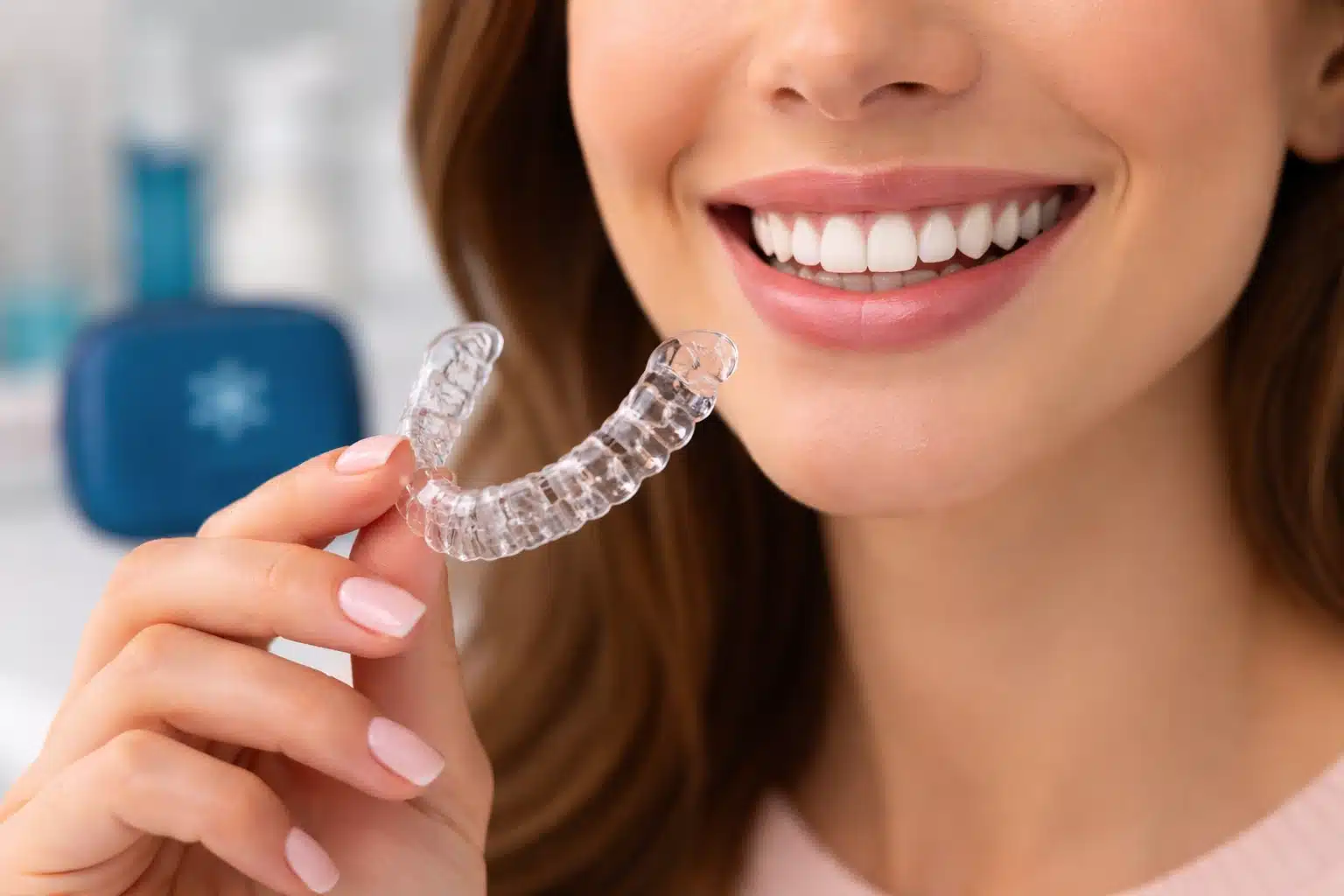
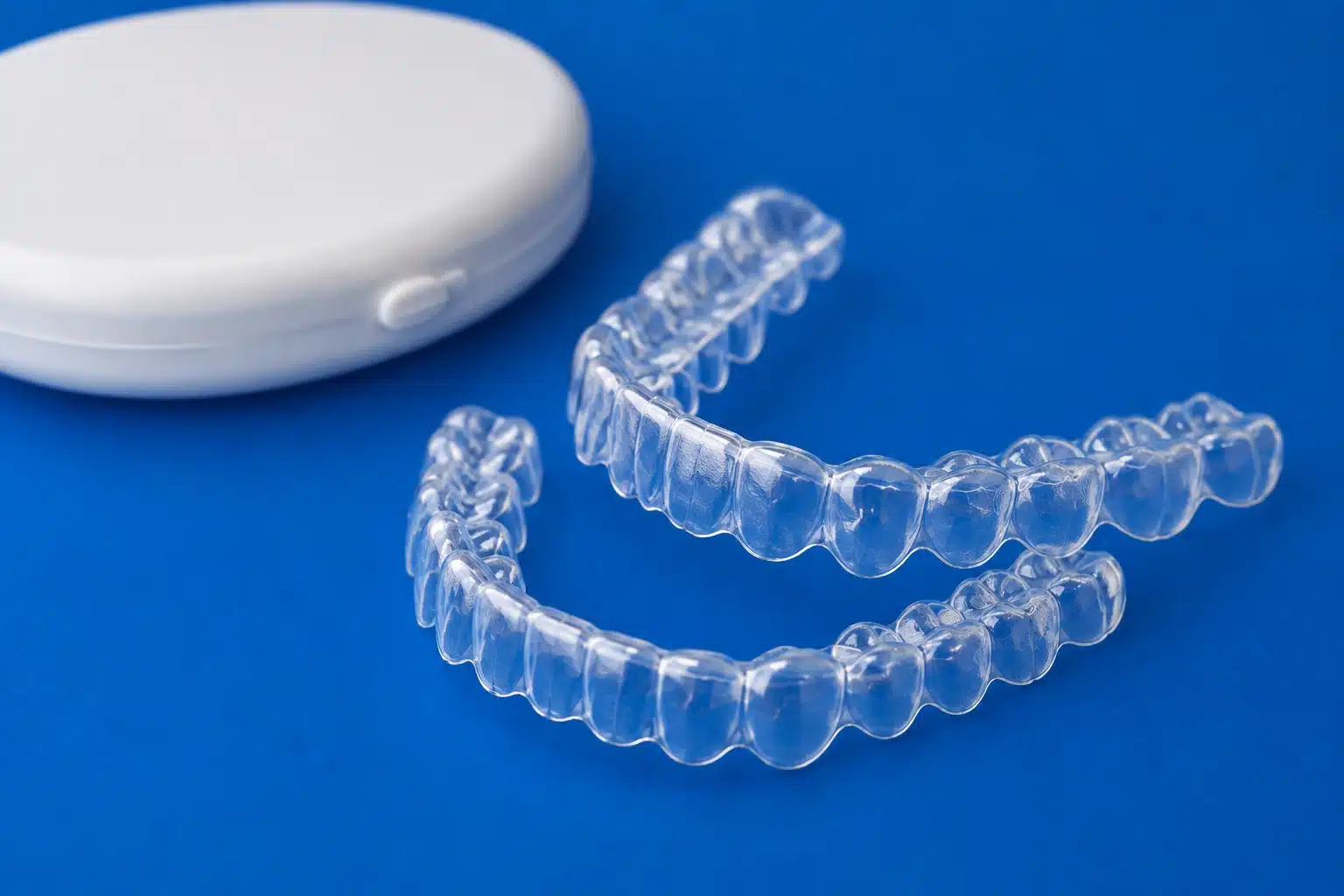
For many adults with mild to moderate relapse confined to the front teeth, clear aligners are a reasonable option to discuss. They apply light, staged pressure through custom-made trays, are removable for eating and cleaning, and are far less visible than fixed appliances.
Suitability is case by case. In a published survey of Australian general dentists providing clear aligner treatment, almost all were comfortable managing mild crowding with aligners, while most were not comfortable treating severe crowding this way. Aligners handle straightforward front-tooth alignment predictably, and their accuracy reduces as movements become more complex, such as large rotations, arch expansion or significant bite correction.
Factors that tend to make a case more straightforward
Crowding limited to the lower front teeth and mild to moderate in degree
Healthy gums and adequate bone support around the teeth
Willingness to wear the aligners for the prescribed 20 to 22 hours a day
Factors that can make a case more complex
Severe crowding, or crowding in both arches combined with a bite discrepancy
Teeth needing large rotations, particularly rounded lower incisors and canines
Where these apply, your dentist may suggest fixed appliances for part of the treatment, or refer you to an orthodontist.
What treatment usually involves
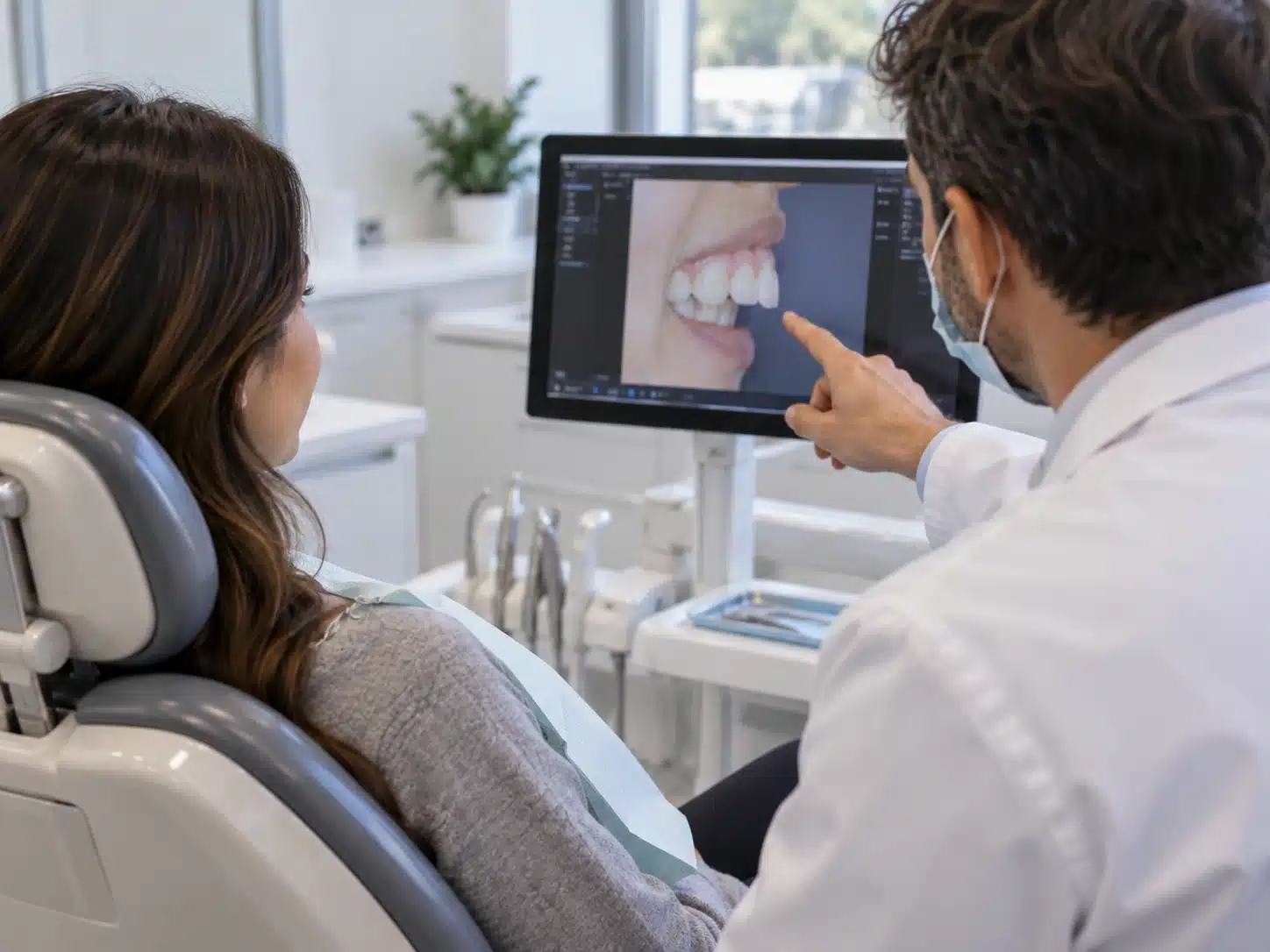
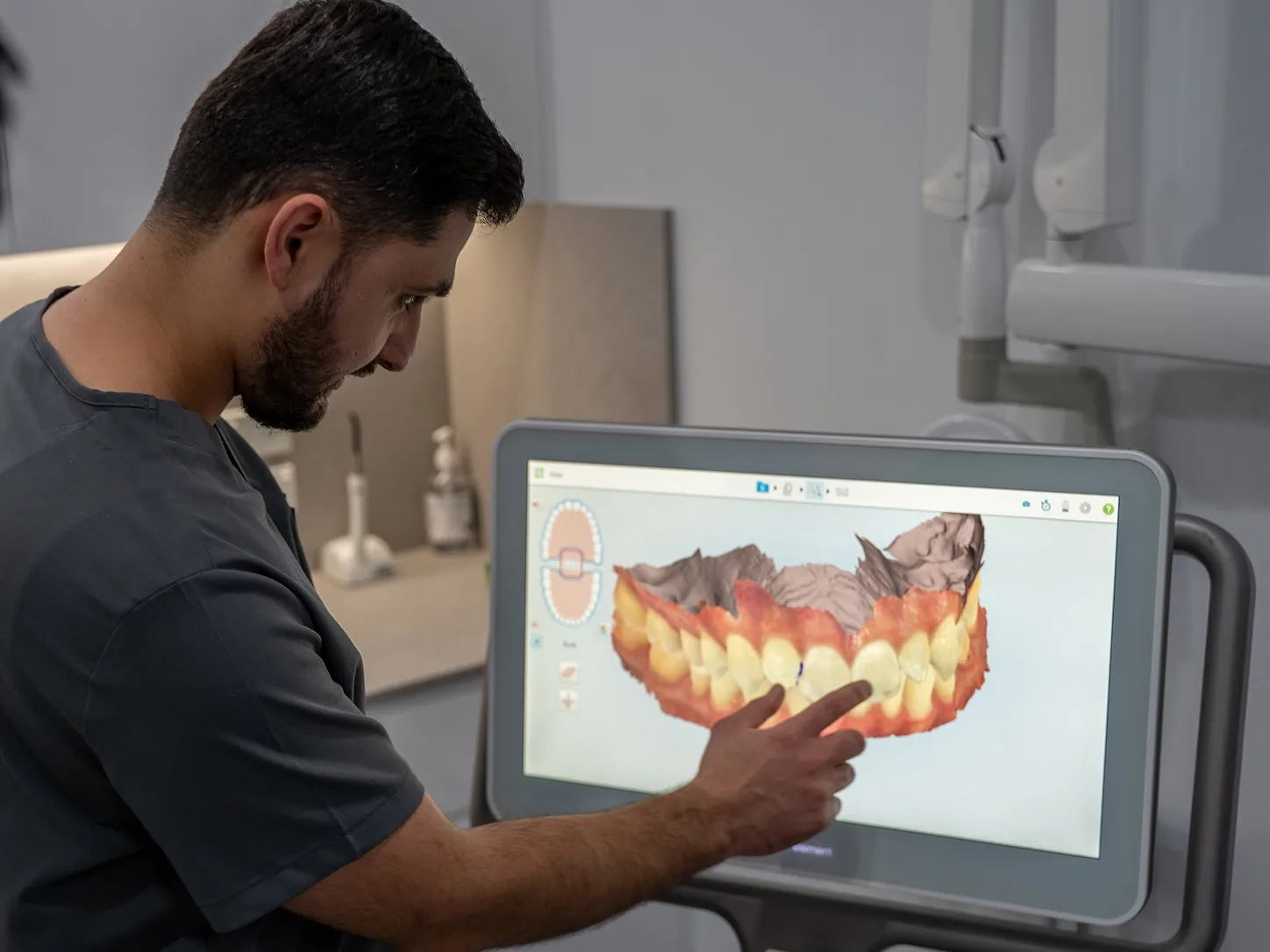
At Hayat Dental, an assessment typically includes photographs, a digital scan and, where indicated, radiographs. If aligners are appropriate, a digital plan is prepared. Creating room for crowded lower teeth often involves interproximal reduction, where a small amount of enamel is polished between the teeth, and tooth-coloured attachments may be bonded temporarily to guide particular movements. Refinement aligners partway through are common and normal. Individual results vary, and only a clinical assessment can determine what is realistic in your case.
How to stop it happening a third time
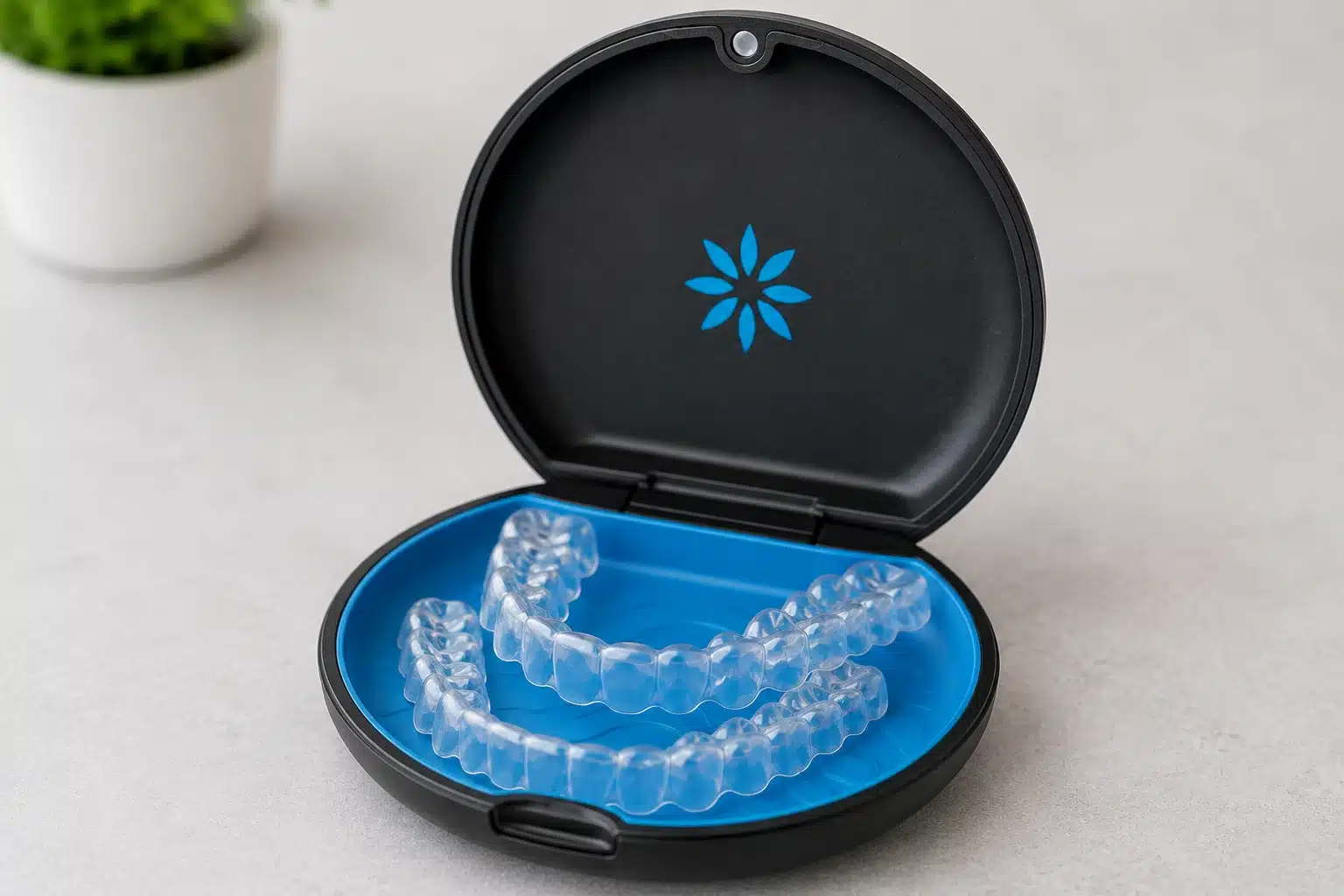
Whatever appliance is used, retention determines whether the result holds. Current orthodontic thinking treats retention as long-term rather than time-limited, and many clinicians recommend nightly wear indefinitely for adults. Options include a clear removable retainer, a fixed wire bonded behind the lower front teeth, or both. Have them reviewed at your regular check-up and clean, since gum inflammation and bone loss also make teeth more prone to drifting.
Gum health matters too. Inflammation and bone loss can make teeth more prone to drifting, so keeping on top of hygiene appointments supports the alignment as well as the gums.
When to book an assessment
If your lower teeth look more overlapped than they used to, if your old retainer no longer seats properly, or if food is trapping in the crowded area, it is worth having it reviewed. Hayat Dental is a dental clinic in Sydney, based on Broadway in Chippendale and a short walk from Central and UTS. We can look at what has changed, discuss whether clear aligners suit your situation, and explain the alternatives if they do not. If your concern is partly how the smile looks, raise it at the same visit, since alignment is usually assessed before any cosmetic dentistry.
Frequently Asked Questions
Do I have to have full braces again if my bottom teeth have shifted?
Not necessarily. Where shifting is mild and limited to the front teeth, shorter treatment with clear aligners is often possible. More extensive relapse, or a changed bite, may call for a fuller approach.
Will my teeth keep moving even if I fix them again?
Teeth respond to pressure throughout life, which is why retention is recommended long-term. Consistent retainer wear is the most reliable way to hold the result.
My old retainer still fits but feels tight. Should I wear it?
Do not force it. A tight retainer usually means movement has already occurred. Bring it to your appointment so your dentist can check whether it is still appropriate.
Can crowded bottom teeth be straightened without removing any teeth?
In many mild to moderate cases, space can be created with interproximal reduction or slight arch changes rather than extractions. Whether that is possible depends on how much space is needed and on your bite.
How long does treatment for post-braces crowding take?
It depends on the movement required and how consistently aligners are worn. Limited front-tooth cases are generally shorter than full treatment, but timeframes should only be estimated after an assessment.


Written by the Hayat Dental team
Dr Abhishek Aggarwal, Dr Joanne McGilp and Masi Hashimi care for patients at our Broadway clinic in Chippendale.
Meet the teamThis article is general information only and is not a substitute for a dental assessment. If you have pain or swelling, call the clinic.