
How much does Invisalign cost in Sydney?
There is no official national price for Invisalign, and published figures vary. Australian consumer guides give a broad indication: Finder (updated October 2024) reports costs of roughly $3,800 to $9,000, with full treatment closer to $6,000 to $8,000 or more, and Canstar (March 2025) quotes $6,000 to $9,000 for full treatments. Both draw on clinic pricing, so treat them as a general guide rather than a verified average, and expect complex cases to cost more.
Invisalign cost in Sydney also varies because cases differ and because clinics include different things in their fees. The main things that change the fee are:
- How much the teeth need to move, and in which directions
- The number of aligners and the length of treatment
- Whether the bite needs correcting as well as the alignment
- Any treatment needed first, such as fillings, a clean or gum care
- What the fee includes, particularly reviews and retainers
Treatment typically takes 6 to 18 months, depending on complexity. Your own cost and timeframe can only be worked out after an assessment with a dentist in Sydney, and no timeframe can be guaranteed in advance.
When comparing quotes, compare what each one includes as well as the total. A lower figure that leaves out review visits or retainers can end up costing more once those are added.
What a quote may include, and what may be extra
A course of Invisalign treatment usually involves several parts, and clinics package them differently. A quote may cover some or all of these:
- The first consultation and examination
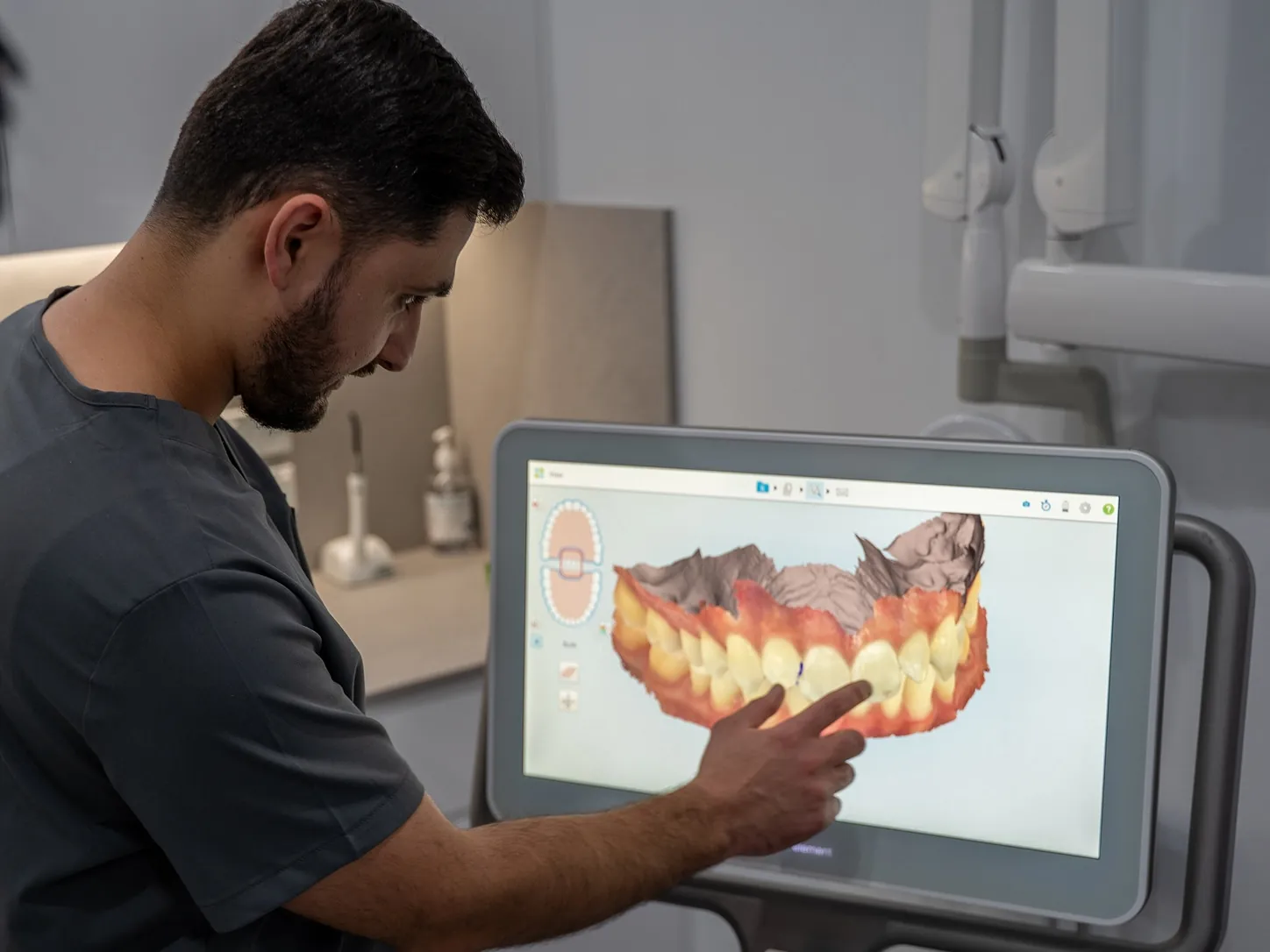
- X-rays and a 3D digital scan
- A digital preview of the planned tooth movement before aligners are made
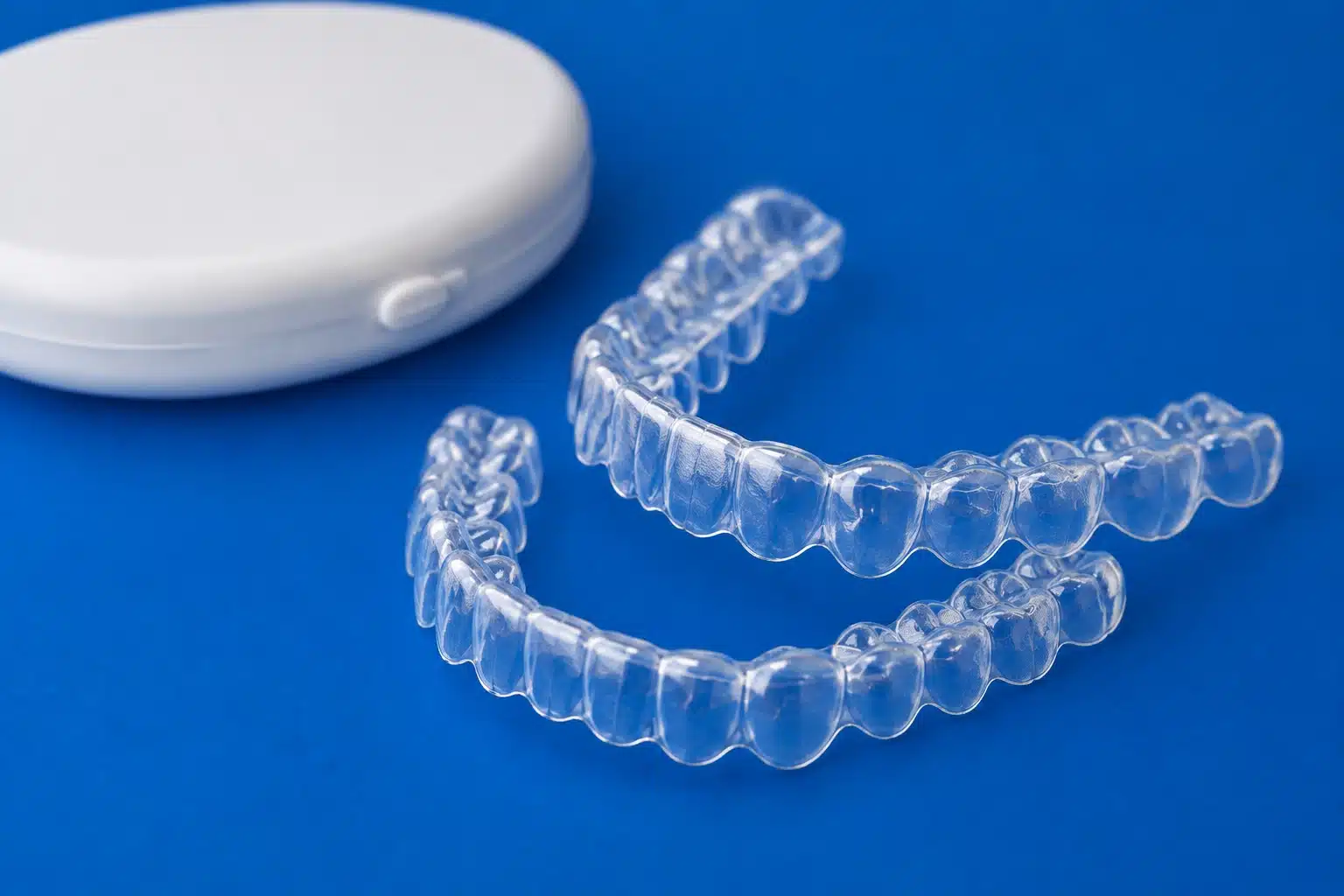
- The aligners themselves
- Review appointments during treatment
- Retainers when active treatment finishes
The consultation also shows whether aligners suit your teeth at all. If braces or another treatment would work better for your case, your dentist will explain why.
These items may be charged separately, so ask about them when you receive your quote:
- Treatment needed before aligners, such as fillings, a scale and clean or gum treatment
- Replacement aligners if one is lost or damaged
- Replacement retainers in the future
- Other treatment planned alongside, such as whitening
Before you start, ask for a written plan that sets out exactly which of these items your fee covers.
Retainers and keeping your result
Teeth can move after any orthodontic treatment, so a retainer is needed to hold the result. Retention is generally recommended long term, not just for the first few months.
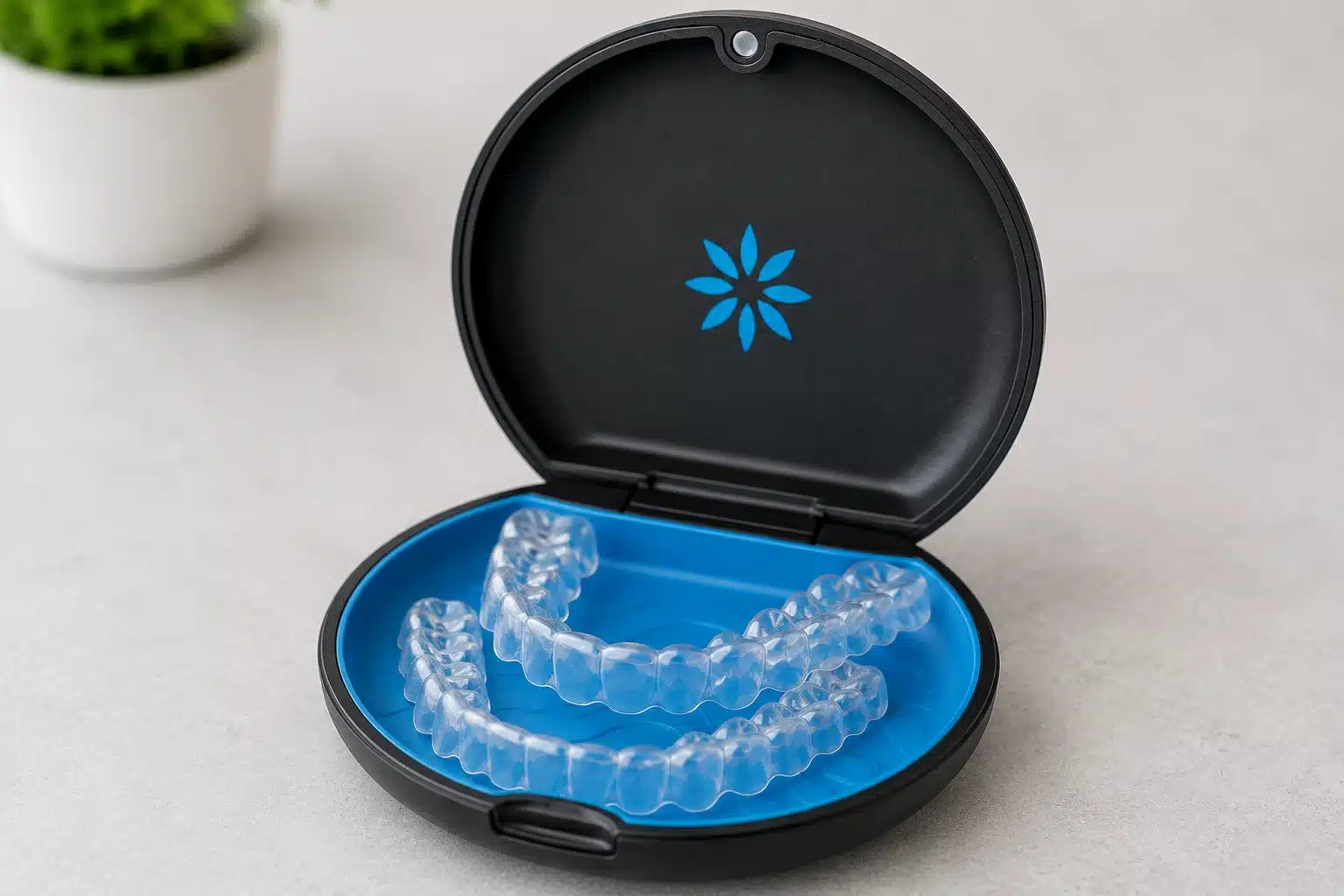
Retainers can be removable clear trays or a thin wire bonded behind the front teeth, and some people have both. Your dentist will explain which suits you and how often to wear it.
How many hours a day you wear a retainer usually changes over time, and your dentist will tell you when. Not wearing a retainer as advised is a common reason teeth drift back, and correcting that can mean further treatment.
Removable retainers wear with use and may need replacing over the years, so it is worth including that in your long-term budget.
Does private health insurance cover Invisalign?
Medicare does not generally cover Invisalign. Some private health funds pay a benefit if your extras cover includes orthodontics, while basic dental cover usually does not.
Annual and lifetime orthodontic limits differ between funds and policies, and waiting periods, often around 12 months, usually apply. Ask for the item numbers in your treatment plan so you can check your entitlement with your fund before you start.
Some funds pay orthodontic benefits as a single amount and others spread them across the treatment period, so it is worth asking how your fund pays as well as how much.
Payment plans and superannuation
Payment plans are available for orthodontic treatment, including Invisalign, so the cost can be spread over the course of treatment. Terms depend on the plan provider and on approval. A plan spreads the cost but does not change what your treatment includes, so check the total amount payable as well as the regular instalment.
Early release of superannuation on compassionate grounds is not a standard way to pay for Invisalign. It is assessed by the Australian Taxation Office, approval is not automatic, and the ATO describes it as a last resort once other ways of paying have been exhausted.
To be eligible, the treatment must be needed to treat a life-threatening illness or injury, or to alleviate acute or chronic pain or an acute or chronic mental illness, and must not be readily available through the public health system. Treatment for cosmetic reasons does not qualify. Most Invisalign treatment is to improve the alignment or appearance of the teeth, which does not meet these criteria, so you should not assume orthodontic treatment will qualify.
Applications also need supporting reports from practitioners, a treatment plan and an itemised quote. The ATO and Ahpra have warned people to be cautious of offers that promote super as an easy way to pay for dental treatment, so seek independent financial advice before considering it.
What a straightforward case can look like
A university student came to us concerned about sharp, pointed and crowded teeth. Dr Abhishek Aggarwal planned Invisalign and whitening around his university timetable. Treatment took six to nine months over about ten appointments, and a retainer was fitted to hold the result.
Every case is different, so your own timeframe and cost depend on your assessment. If you are also considering fixed braces, it helps to understand how Invisalign and braces compare before you decide.
Frequently Asked Questions
Is there a fee for the first consultation?
Clinics differ. When you book, ask whether the first consultation has a fee and what it includes, such as X-rays or a 3D scan.
How long does Invisalign take?
Usually between 6 and 18 months. Simpler cases can finish sooner, and bite corrections tend to take longer. Your dentist gives you an estimate after your scan, but it cannot be guaranteed.
Is Invisalign more expensive than braces?
Not always. The fees for both often overlap, and the difference depends on your case and on what each quote includes.
What happens if I lose an aligner?
Contact the clinic. Depending on where you are in treatment, you may be asked to move to your next aligner or wear your previous one while a replacement is ordered.
Can I claim Invisalign on my health fund?
Possibly, if your extras cover includes orthodontics. Check your annual and lifetime limits and any waiting period with your fund.
Get a written quote for your smile
If you are thinking about straightening your teeth, a consultation will show what is possible, roughly how long it could take and what it would cost. At Hayat Dental in Broadway, Sydney, we talk you through a written plan and quote before treatment begins.



Written by the Hayat Dental team
Dr Abhishek Aggarwal, Dr Joanne McGilp and Masi Hashimi care for patients at our Broadway clinic in Chippendale.
Meet the teamThis article is general information only and is not a substitute for a dental assessment. If you have pain or swelling, call the clinic.